

Most small businesses know where they’re spending money on marketing, but not always which channel produced the lead. A customer may click a Facebook ad, return through Google, and finally submit a contact form—making the final result harder to trace than it should be. UTM tracking gives you a practical way to identify where website visitors came from and which campaigns are generating inquiries. In this guide, you’ll learn how UTM tracking for small business works, how to build useful tracking links, and how to connect campaign data with calls, forms, and sales.
What Is UTM Tracking for Small Business?
UTM tracking uses short labels added to the end of a URL so analytics tools can identify the source, medium, and campaign that brought someone to your website. For example, a tagged link might look like this:
example.com/services?utm_source=facebook&utm_medium=paid-social&utm_campaign=spring-offer
When someone clicks that link, tools such as Google Analytics can record the visit as coming from Facebook, paid social, and your spring offer campaign. Without these labels, traffic may be grouped into broad categories such as “referral,” “direct,” or “unassigned.”
The five useful UTM fields
- utm_source: Where the visitor came from, such as Google, Facebook, an email newsletter, or a partner website.
- utm_medium: The marketing type, such as paid search, social, email, or referral.
- utm_campaign: The specific promotion or campaign name.
- utm_content: The ad, button, image, or link variation that was clicked.
- utm_term: Often used to identify a paid search keyword.
You don’t need to use every field for every campaign. For most small businesses, source, medium, and campaign are enough to begin meaningful marketing attribution.
How Do You Create Useful UTM Links?
The most important rule is consistency. A tracking system only works when your team uses the same naming conventions every time. “Facebook,” “facebook,” and “FB” may be treated as separate sources in your reports.
Use a simple naming convention
Keep everything lowercase and use hyphens instead of spaces. For example:
- Source: google, facebook, newsletter
- Medium: paid-search, paid-social, email
- Campaign: summer-booking, roof-repair, holiday-sale
A local contractor promoting a roof inspection might use:
example.com/roof-inspections?utm_source=google&utm_medium=paid-search&utm_campaign=roof-inspection
A tourism company sharing a special offer in an email might use:
example.com/book-now?utm_source=newsletter&utm_medium=email&utm_campaign=summer-booking
Where should you use tracking links?
Use UTM links in places where you control the destination URL, including Google Ads, social media ads, email campaigns, digital newsletters, QR codes, partner promotions, and links in social profiles. Don’t add UTM parameters to internal links between pages on your own website. Doing so can overwrite the visitor’s original source and make your reports less accurate.
Create a shared spreadsheet with the campaign name, URL, date, and person responsible. This small step prevents duplicate names and makes it easier to understand results months later.
How Does UTM Tracking Connect to Website Lead Tracking?
UTM data tells you where a visitor came from; website lead tracking tells you what that visitor did. To measure both, connect your analytics data to important actions such as contact form submissions, phone clicks, quote requests, bookings, and purchases.
For example, if 200 people visit your service page from a paid campaign and eight submit a quote request, your website lead tracking should preserve the campaign information attached to those visitors. You can then compare not only traffic, but also leads and lead quality.
Track conversions, not just visits
A campaign that generates thousands of visits may be less valuable than one that produces ten qualified calls. Set up conversion events for actions that matter to your business, such as:
- Completed contact or quote forms
- Tracked phone calls and click-to-call actions
- Online bookings or purchases
- Email clicks from a campaign landing page
- Downloads that indicate genuine buying interest
Make sure your forms and customer relationship management system preserve the original UTM values where possible. Otherwise, you may know which campaigns brought visitors but not which ones became real opportunities.
Also remember that UTM tracking is not perfect. People switch devices, delete cookies, use privacy tools, or hear about your business offline before visiting directly. Treat the data as a useful directional record—not an absolute history of every touchpoint.
What Can UTM Tracking Reveal? Practical Examples and Next Steps
Suppose you run three campaigns for a home services company: Google Ads, Facebook Ads, and an email to past customers. After a month, your report shows:
- Google Ads: 80 leads, with several strong quote requests
- Facebook Ads: 40 leads, but most are outside your service area
- Email: 15 leads, including repeat customers ready to book
At first glance, Google Ads appears to be the clear winner. However, email may be especially profitable if it costs little to send and reaches people who already trust your business. Facebook might need better geographic targeting rather than an immediate budget increase or cancellation.
This is the practical value of marketing attribution: it helps you make better decisions about where to spend time and money. Review campaign performance alongside sales records, average job value, and lead quality. A channel that produces fewer inquiries can still be the best choice if those inquiries become higher-value customers.
Start with one or two campaigns instead of trying to track everything at once. Use consistent UTM names, confirm that analytics records visits correctly, and test each form or booking action yourself. After that, review the results monthly and adjust your budget based on evidence.
UTM tracking won’t replace good judgment, but it will replace guesswork with useful information. If your reports are confusing or your website isn’t recording leads reliably, our team can review the setup and identify what to fix first. Request a free website review and we’ll help you build a clearer path from marketing click to customer inquiry.
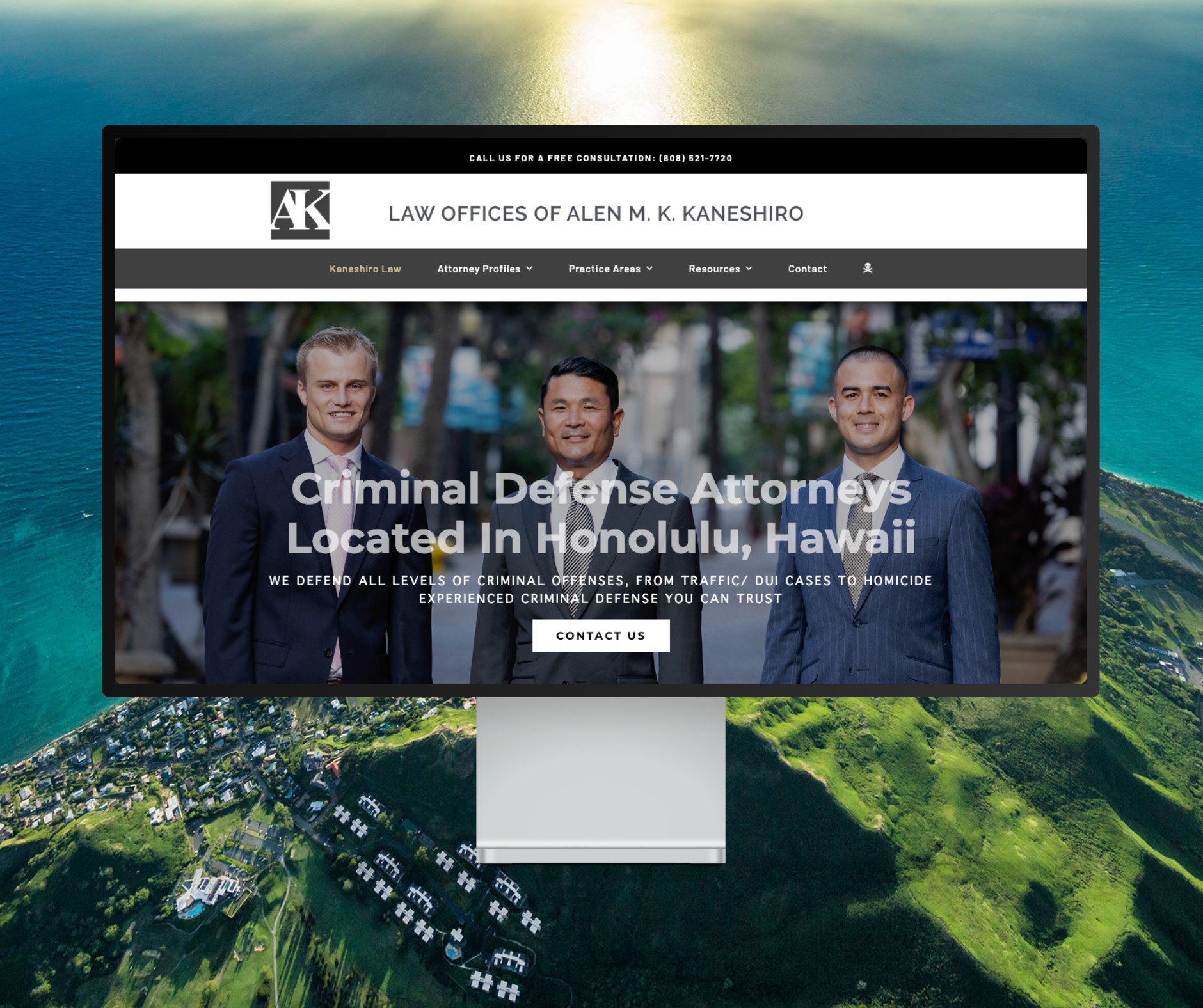
Featured Website: www.kaneshirolaw.com
Kaneshiro Law Firm, one of Hawaii’s most respected legal practices, partnered with The X Digital three years ago for a complete website redesign. Since then, we’ve maintained an ongoing relationship—handling updates, optimizations, and technical support around the clock. Our dedicated team ensures they’re never without assistance, while our enterprise-grade hosting provides 24/7 uptime monitoring and reliability. Kaneshiro Law Firm is one of many long-term clients who trust us to keep their digital presence running flawlessly.