


You’re ready to build or redesign your website, and you’ve narrowed it down to one big decision: hire a local web designer or go with someone remote? It’s not just about geography—it affects how your project runs, how much it costs, and whether you’ll actually be happy with the result.
The choice between a local web designer and a remote one isn’t as straightforward as it used to be. Ten years ago, “local” meant better communication and easier meetings. Today, remote teams work across time zones seamlessly, while some local designers are stretched thin or overpriced. The real question is: what matters most for your project and your business?
In this guide, we’ll walk through the genuine trade-offs so you can choose the right fit—not based on hype, but on what actually affects your website’s success and your sanity during the process.
Local Web Designers: The In-Person Advantage
A local web designer can meet you face-to-face, shake your hand, and show you their work in person. That matters to some business owners, and it’s worth understanding why.
When Local Makes Sense
If you’re building a website for a brick-and-mortar business—a retail store, restaurant, or service location—a local designer who understands your community can be genuinely valuable. They know the neighborhood, the local competition, and what resonates with your customer base. They can walk into your physical space, see how customers interact with your business, and design a digital experience that mirrors that reality.
Local designers also excel when you need hands-on collaboration. If you’re the type of owner who wants to sit down weekly, review mockups together, and iterate in real time, proximity makes that easier. You avoid Zoom fatigue and can show them things in person that are hard to explain over video.
The Real Costs of Local
Here’s what people don’t always consider: local often means higher overhead. A designer with a physical office in a major metro area has rent, utilities, and local staff costs built into their pricing. That gets passed to you. We’ve seen local designers charge 40–60% more than equally skilled remote teams for the same work.
You’re also limited to the talent pool in your area. If your city has three good web designers and they’re all booked, you’re either waiting or compromising. Remote work removes that constraint entirely.
Remote Web Designers: Flexibility and Reach
A remote web designer works from anywhere—and that changes everything about how projects actually run.
Access to Better Talent
When you open the search beyond your zip code, you’re no longer limited to whoever happens to have an office nearby. You can find a designer who specializes in your industry, has a web design portfolio that matches your vision, and has solved problems exactly like yours—regardless of where they live. That’s powerful.
Remote teams also tend to be leaner and more efficient. Without office overhead, they can charge less while maintaining quality. We’ve worked with remote designers across the US and internationally who produce work that rivals any local agency, at a fraction of the cost.
How Remote Communication Actually Works
The biggest concern people have about remote designers is communication. But in 2025, this is largely a non-issue. Video calls, screen sharing, project management tools, and shared design files mean you can collaborate as closely remotely as you would in person—sometimes better, because everything is documented and asynchronous.
That said, remote work does require a different kind of clarity. You can’t rely on casual hallway conversations. You need to write things down, ask specific questions, and be intentional about feedback. If you’re organized and clear about what you want, remote works beautifully. If you’re vague and expect the designer to “just know,” it’s harder.
Choosing a Web Designer: What Actually Matters
Location is less important than the things that actually determine project success.
Look at Their Portfolio and Experience
Before you worry about where they sit, look at what they’ve built. A strong web design portfolio tells you everything: Do they build fast sites? Do they understand conversion? Have they worked with businesses like yours? Can they explain their design decisions, or do they just show pretty pictures?
A mediocre local designer is still mediocre. A great remote designer is still great. The portfolio is the truth.
Communication and Process Matter More Than Location
Ask potential designers about their process. How do they gather requirements? How often will you hear from them? What’s their revision policy? How do they handle scope creep? A designer—local or remote—who has clear answers to these questions will deliver better results than one who’s vague, regardless of geography.
Remote designers who are worth hiring have systems in place for communication. They use project management tools, they send regular updates, and they’re responsive. That’s actually easier to assess upfront than with a local designer, because their process is documented.
Cost, Timeline, and Availability
Be honest about your budget. Local designers in expensive metros often cost more. Remote designers have wider pricing ranges, so you can find someone who fits your budget without sacrificing quality—but you might need to look harder.
Ask about timeline. A local designer who’s overbooked will take six months. A remote designer with availability can start next week. Neither has an inherent advantage; it depends on the individual and their current workload.
The Real Difference: Ongoing Support
Here’s something people overlook: the relationship doesn’t end at launch. Your website will need updates, security patches, performance optimization, and content changes. That’s where local versus remote really shows its limits—or strengths.
If your designer disappears after launch, location doesn’t matter. If they offer ongoing support, location matters even less. We recommend choosing a designer who either offers managed hosting and care (so you’re covered long-term) or is willing to partner with a hosting provider who does. That removes the “local or remote” question entirely and focuses on what actually keeps your site healthy.
Making Your Decision
Here’s a simple framework: Choose local if you need hands-on collaboration, value in-person relationships, and you’ve found a designer whose portfolio and process you trust. Choose remote if you want access to specialized talent, better cost efficiency, or you’re organized enough to communicate clearly in writing and over video.
In practice, the best choice is usually the designer—local or remote—who has relevant experience, clear communication, a solid process, and a portfolio that proves they can deliver what you need. Everything else is secondary.
If you’re evaluating designers right now and want a second opinion, we’ve reviewed hundreds of websites and know what separates a good designer from one who’ll waste your time and money. Request a free website review and we’ll tell you exactly what matters for your project and who to look for.
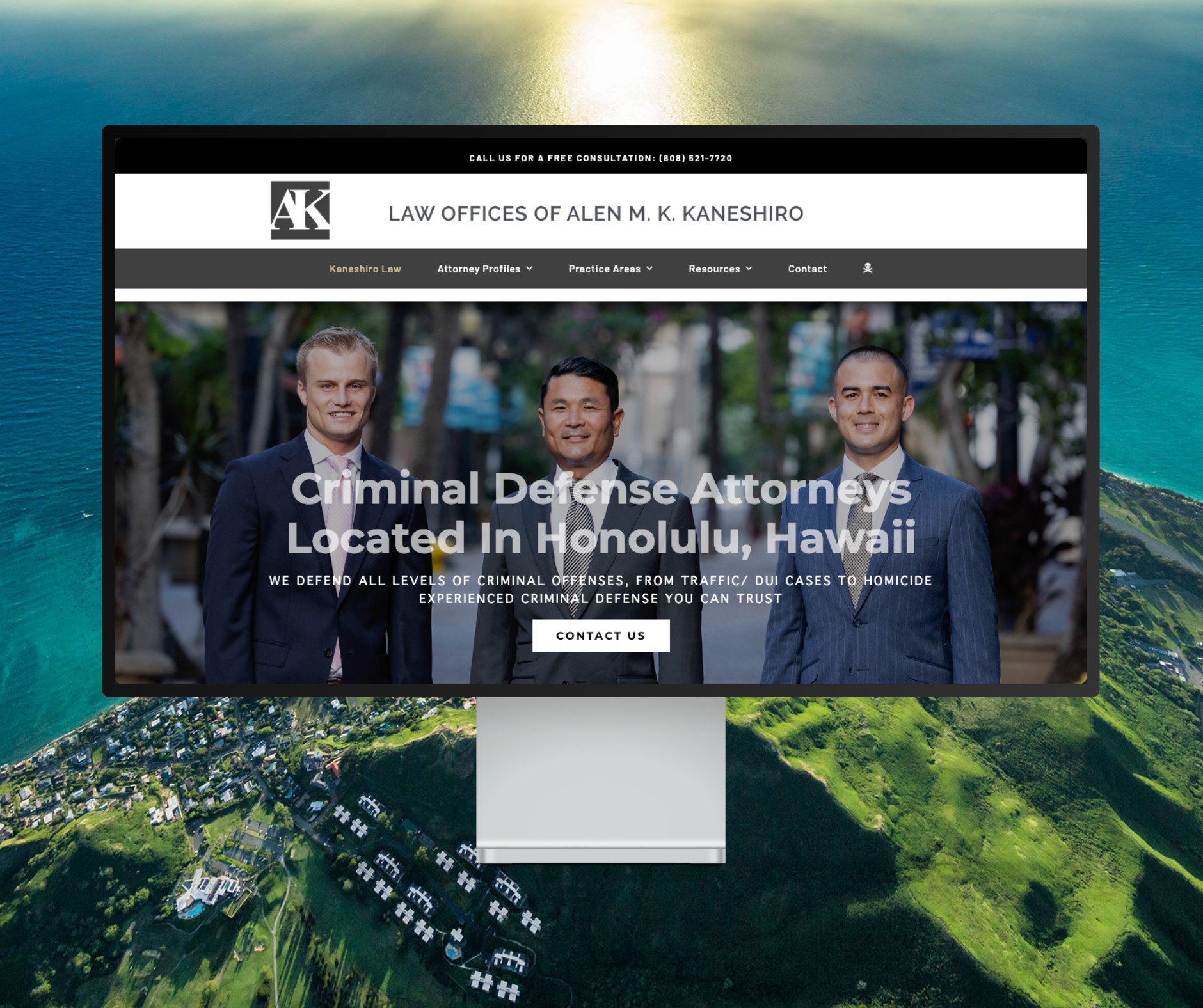
Featured Website: www.kaneshirolaw.com
Kaneshiro Law Firm, one of Hawaii’s most respected legal practices, partnered with The X Digital three years ago for a complete website redesign. Since then, we’ve maintained an ongoing relationship—handling updates, optimizations, and technical support around the clock. Our dedicated team ensures they’re never without assistance, while our enterprise-grade hosting provides 24/7 uptime monitoring and reliability. Kaneshiro Law Firm is one of many long-term clients who trust us to keep their digital presence running flawlessly.