

Your website is the hardest-working salesperson on your team — when it’s doing its job. But if it’s slow, outdated, confusing, or just not converting visitors into customers, it’s costing you money every single day. Most small business owners wait too long to replace their site, losing leads and revenue while they debate whether it’s “bad enough” yet. In this article, we’ll walk through seven clear signs that it’s time to replace your small business website before it does more damage to your bottom line.
Sign 1: Your Website Looks (and Functions) Like It’s From 2010
Design trends move fast online. If your site still has a Flash intro, a sidebar crammed with widgets, or a layout that screams “DIY template from a decade ago,” visitors notice — and they leave. A dated design doesn’t just look unprofessional; it signals to potential customers that your business might be outdated too.
Beyond aesthetics, older websites often lack the functionality modern users expect: mobile responsiveness, fast load times, easy navigation, and clear calls to action. If your site was built before 2018 and hasn’t been substantially updated since, there’s a strong chance it’s actively turning away business.
What “Outdated” Really Means
It’s not just about how the site looks. Outdated also means:
- Non-mobile-friendly design: If users have to pinch and zoom to read text or tap buttons, they’ll bounce immediately.
- Slow page speed: Old code, unoptimized images, and legacy plugins drag load times past the 3-second threshold most visitors will tolerate.
- Clunky navigation: If it takes more than two clicks to find your contact info or services, you’re losing leads.
- Missing modern features: No live chat, no online booking, no clear next steps — just static pages that don’t guide visitors toward conversion.
In our experience building websites for 20+ years, we’ve seen businesses double their inquiry rate simply by replacing a tired, confusing site with a clean, conversion-focused design. The site itself becomes a revenue driver instead of a liability.
Sign 2: Your Site Isn’t Mobile-Friendly (or Barely Is)
More than 60% of web traffic now comes from mobile devices. If your website doesn’t load properly on phones and tablets, you’re turning away the majority of your potential customers before they even see what you offer.
Google also prioritizes mobile-friendly sites in search rankings. If your site fails Google’s Mobile-Friendly Test, you’re not just losing visitors — you’re losing visibility in search results, which means fewer people find you in the first place.
What Mobile-Friendly Actually Requires
A truly mobile-optimized site isn’t just a shrunken desktop version. It needs:
- Responsive design that adapts layout and font sizes to any screen
- Touch-friendly buttons and navigation (no tiny links that require precision tapping)
- Fast load times on cellular connections, not just WiFi
- Simplified forms and checkout flows that work on small screens
If your current site was built before mobile-first design became standard, it’s time to replace it with one that treats mobile users as the priority, not an afterthought.
Sign 3: You’re Not Showing Up in Google (or You’ve Disappeared)
If your website used to rank well in search results but has steadily dropped — or if it never ranked at all — that’s a red flag. Older sites often have technical SEO issues that are nearly impossible to fix with band-aid updates: poor site structure, missing metadata, broken links, slow speed, and code bloat.
Google’s algorithms have evolved dramatically in recent years. Sites that don’t meet modern technical standards, load quickly, or provide a good user experience get buried in search results. If competitors with newer websites are outranking you for the same services, your site’s age and architecture are likely working against you.
When Technical Debt Becomes Unfixable
Sometimes a site’s foundation is so outdated that patching it costs more than rebuilding. Common signs include:
- Built on an obsolete platform or page builder that’s no longer supported
- Impossible to edit without breaking the layout
- Plugins and themes that haven’t been updated in years, creating security and compatibility issues
- No clear site structure or internal linking strategy
In these cases, trying to “fix” SEO on an old site is like renovating a house with a cracked foundation. You’re better off rebuilding on solid ground.
Sign 4: Your Site Is Slow (and Getting Slower)
Page speed isn’t just a nice-to-have — it directly impacts your revenue. Studies show that a one-second delay in load time can reduce conversions by 7%. If your homepage takes more than three seconds to load, you’re losing a significant percentage of visitors before they even see your content.
Older websites accumulate speed problems over time: outdated code, unoptimized images, too many plugins, and hosting that can’t keep up with modern performance standards. If you’ve already tried basic speed fixes and your site is still slow, the architecture itself is likely the bottleneck.
Why Speed Problems Compound Over Time
As you add content, images, and features to an aging site, performance degrades. Plugins conflict, databases bloat, and code gets messier. Eventually, no amount of caching or image compression can overcome the underlying inefficiency. A new site built with modern frameworks and clean code will almost always outperform a patched-up old one.
Sign 5: You’re Embarrassed to Send People to Your Website
This one’s simple but telling. If you hesitate to include your website URL in marketing materials, avoid sharing it on social media, or cringe when someone says they looked you up online, that’s a business problem. Your website should be an asset you’re proud to show off, not a liability you hope customers don’t notice.
When you’re embarrassed by your site, you’re less likely to promote your business confidently. That hesitation costs you opportunities — word-of-mouth referrals, social shares, and the credibility that comes from having a professional online presence.
Sign 6: Your Site Isn’t Converting Visitors Into Customers
Traffic without conversions is just expensive bandwidth. If your analytics show decent visitor numbers but your phone isn’t ringing and your contact form sits empty, your website isn’t doing its job. Common conversion killers include:
- Unclear messaging — visitors can’t quickly understand what you do or why they should choose you
- Weak or missing calls to action — no clear next step for interested visitors
- Complicated contact forms or checkout processes that frustrate users
- Lack of trust signals — no testimonials, credentials, or proof that you’re legitimate
A website redesign focused on conversion optimization can transform your results. We’ve seen businesses go from one inquiry per week to one per day simply by clarifying their message, streamlining their contact process, and adding strategic CTAs throughout the site.
Sign 7: Your Website Is a Security Risk or Constantly Breaking
If your site has been hacked, flagged by Google, or is running software so outdated that security patches are no longer available, you’re playing with fire. A compromised website can damage your reputation, lose customer trust, expose sensitive data, and tank your search rankings overnight.
Constant technical issues — broken pages, plugin conflicts, mysterious errors — are also signs that your site’s foundation is failing. When you spend more time troubleshooting than growing your business, it’s time to replace the site with something stable and secure.
The Real Cost of Waiting
Every day you keep a broken, slow, or outdated website live, you’re losing potential customers to competitors with better online experiences. The cost of replacing your site is a one-time investment. The cost of keeping a bad site is ongoing lost revenue.
What to Do Next
If three or more of these signs describe your current website, it’s time to seriously consider a replacement. A new site built on a solid foundation — fast, mobile-optimized, conversion-focused, and easy to maintain — will pay for itself through increased leads and sales.
Not sure whether your site can be saved or needs a full replacement? Request a free website review and we’ll tell you exactly what we’d fix first. Our team has rebuilt hundreds of small business websites over 20+ years, and we’ll give you an honest assessment of whether a refresh will do the job or if it’s time to start fresh.
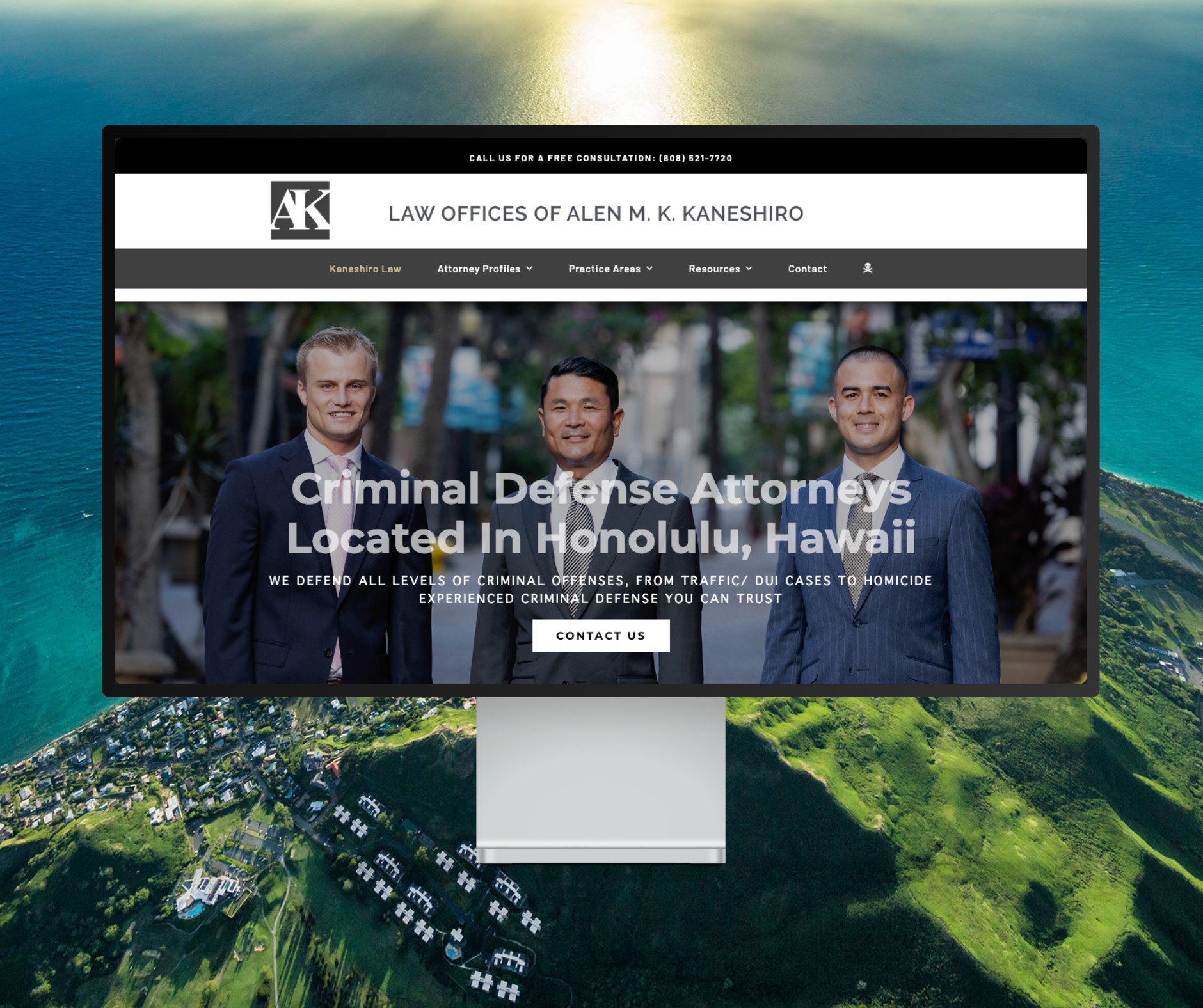
Featured Website: www.kaneshirolaw.com
Kaneshiro Law Firm, one of Hawaii’s most respected legal practices, partnered with The X Digital three years ago for a complete website redesign. Since then, we’ve maintained an ongoing relationship—handling updates, optimizations, and technical support around the clock. Our dedicated team ensures they’re never without assistance, while our enterprise-grade hosting provides 24/7 uptime monitoring and reliability. Kaneshiro Law Firm is one of many long-term clients who trust us to keep their digital presence running flawlessly.