

When a developer disappears, the problem is rarely just that your website stops getting updates. You may lose access to the site, domain registrar, hosting account, email, analytics, or the backups you need to recover everything. For a small business, that can interrupt lead generation, online sales, and day-to-day operations.
The good news is that you can usually prevent this situation—or recover from it—with the right information and account structure. In this guide, we’ll explain what happens when a developer becomes unreachable, how website ownership should be handled, and the practical steps to protect your business before there’s a crisis.
What Happens to Website Ownership When a Developer Disappears?
Website ownership should belong to your business, even when a developer builds and manages the site. However, ownership becomes difficult to prove when the developer purchased the domain, created the hosting account, or kept all administrator credentials in their own name.
In the best-case scenario, the developer is simply unavailable and can eventually transfer access. In the worst case, you may have no way to update the website, renew the domain, retrieve backups, or prove that you’re authorized to make changes.
The accounts that matter most
Website ownership is not controlled by one login. It involves several separate assets, including:
- Domain registrar: The company where your domain name is registered.
- Web hosting: The server account where your website files and database live.
- WordPress: The content management system used to manage the site.
- Email: Business mailboxes connected to your domain.
- Analytics and advertising: Google Analytics, Google Search Console, Google Ads, and similar platforms.
- Licenses and subscriptions: Paid themes, plugins, security tools, and software services.
Having access to WordPress alone isn’t enough. A WordPress administrator may be able to edit pages, but they usually cannot renew your domain, change DNS records, or restore a server-level backup.
Why Losing Access to a Website Creates Real Business Problems
Losing access to a website can affect much more than appearance. If no one can maintain the site, small issues can quickly become outages, security vulnerabilities, broken forms, or lost search visibility.
Common problems after a developer disappears
We commonly see businesses discover that their developer controlled the only administrator account or used a personal email address for critical services. That creates several risks:
- The domain may expire because renewal notices go to someone else.
- A hosting bill may go unpaid, taking the website offline.
- Security updates may be missed, leaving WordPress vulnerable.
- Contact forms may stop delivering inquiries.
- There may be no usable backup if the site is hacked or damaged.
- Google Analytics or Search Console data may be inaccessible.
There can also be less obvious problems. For example, a developer may have used a premium plugin license that expires, or a website may rely on a third-party API connected to an account nobody at the business can access.
Domain recovery can be harder than website recovery
Website files can often be rebuilt or moved to another host. Domain recovery is more complicated because the domain is registered through a separate company and may legally be tied to the registrant information on file.
If the developer disappeared and the domain is registered using their email address, you may need to contact the registrar, provide business records, invoices, trademark information, or other proof of control. Domain recovery may be possible, but it can take time—and there is no reason to create that risk when the domain could have been registered in your business’s name from the start.
How to Protect Your Website Before There Is a Problem
The simplest protection is to make sure your business owns the important accounts and your developer has delegated access. Your developer should be able to do their job without being the only person who can reach your website.
Use business-controlled accounts
Register the domain using a company-owned email address, such as an address controlled by the owner or operations team. The payment method, billing details, and registrant information should also belong to the business.
For hosting, use an account that clearly identifies your company and gives you a written record of what is included. If a developer manages hosting for you, confirm that you can receive an account login, export your website, and obtain a complete backup if the relationship ends.
Create an access and backup checklist
Keep this information in a secure password manager rather than a spreadsheet sent by email. At minimum, document:
- Domain registrar name, account email, and renewal date.
- Hosting provider, account owner, and support details.
- WordPress administrator accounts and recovery email addresses.
- Business email and DNS provider access.
- Google Analytics, Search Console, and Google Ads ownership.
- Theme, plugin, and software licenses.
- Backup location, backup frequency, and restoration instructions.
Test your backups instead of assuming they work. A backup that exists but cannot be restored is not a reliable recovery plan. You should also review access every few months and remove former employees, contractors, or developers who no longer need administrative privileges.
What to Do If Your Developer Already Disappeared
If the developer disappeared, begin by identifying which accounts you can still access and which assets are at risk of expiring. Don’t immediately delete users, change DNS records, or reinstall WordPress unless you understand what those changes may break.
First, check your business email, invoices, payment records, and old project documents for registrar and hosting information. Search for renewal notices, login invitations, backup notifications, and receipts from domain or hosting companies.
Next, contact the registrar and hosting provider directly. Explain that you are the business owner and ask what documentation they require to verify control. If you still have access to WordPress, create a new administrator account using a business email address—but preserve the existing site until you have a complete backup.
If the site is online, download a full copy of the files and database where possible. If it is hacked, broken, or offline, a qualified WordPress professional can often determine whether the problem is a hosting issue, expired domain, malware infection, or missing DNS record.
A developer disappearing does not automatically mean you have lost the website permanently. In practice, the outcome depends on who controls the domain, whether usable backups exist, and what business records can prove your connection to the accounts.
Conclusion: Keep Control of the Digital Assets Your Business Depends On
Your developer should be a trusted operator—not the owner of your domain, hosting, website, or marketing accounts. Register critical services in your business’s name, use company-controlled email addresses, maintain current backups, and keep a secure record of every login and renewal date.
If you already have lost access to your website, start with the domain and hosting accounts. Those determine whether your site and email can remain online while you work through recovery. Then secure WordPress, update passwords, review administrator access, and create a tested backup.
Not sure who owns or controls your website? Our team has helped businesses troubleshoot inaccessible, hacked, and poorly managed WordPress sites. Request a website review, and we’ll help you identify what’s at risk and what to fix first.
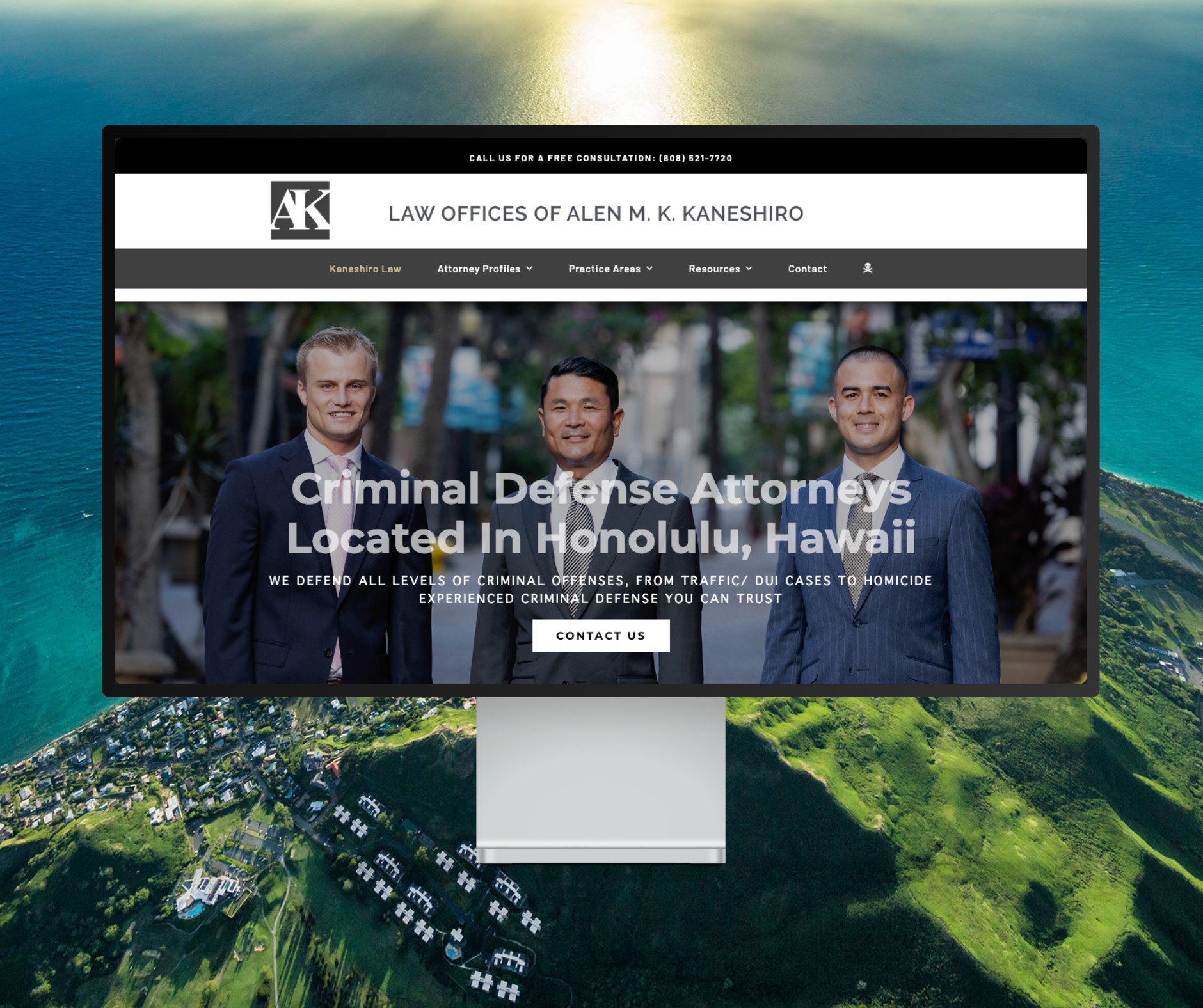
Featured Website: www.kaneshirolaw.com
Kaneshiro Law Firm, one of Hawaii’s most respected legal practices, partnered with The X Digital three years ago for a complete website redesign. Since then, we’ve maintained an ongoing relationship—handling updates, optimizations, and technical support around the clock. Our dedicated team ensures they’re never without assistance, while our enterprise-grade hosting provides 24/7 uptime monitoring and reliability. Kaneshiro Law Firm is one of many long-term clients who trust us to keep their digital presence running flawlessly.