

If your phone is ringing less than expected despite spending money on Google Ads, the problem may not be your budget. Local service businesses often lose leads because campaigns target the wrong locations, send visitors to weak landing pages, or optimize for clicks instead of actual calls and inquiries. Learning how to optimize Google Ads can make the difference between paying for traffic and generating qualified local leads.
This guide explains the practical advertising strategies we use to improve campaign quality: choosing the right keywords, targeting service areas accurately, tracking meaningful conversions, and cutting waste. You’ll also learn how to evaluate a campaign using real business goals rather than vanity metrics such as impressions or low-cost clicks.
How to Optimize Google Ads for Local Service Businesses
The first step is aligning your campaign with how customers actually search. Someone looking for an emergency plumber, a roofing estimate, or a house cleaner usually includes a service, location, or urgent need in the search. Your campaign should reflect that intent.
Choose high-intent keywords
Start with keywords that suggest someone is ready to contact a business. Examples include “roof repair near me,” “AC technician Honolulu,” and “commercial cleaning estimate.” These are generally more valuable than broad terms such as “roofing” or “air conditioning,” which can attract researchers, job seekers, and people looking for do-it-yourself information.
Use a focused keyword list for each service. A pest control company, for example, should separate termite treatment, rodent removal, and general pest control into different ad groups. This allows the ad and landing page to match the customer’s specific need.
Use negative keywords
Negative keywords prevent your ads from showing for searches that are unlikely to become customers. Depending on the business, useful exclusions may include:
- Jobs, careers, or training
- Free advice or DIY instructions
- Used equipment or supplies
- Services you do not offer
- Locations outside your service area
Review the search terms report regularly. It often reveals wasted clicks that are invisible when you only look at the keyword list.
Improve Local Targeting, Ads, and Landing Pages
Good local Google Ads campaigns connect three things: the search, the ad, and the page the visitor sees. If those three elements do not agree, your costs can rise while lead quality falls.
Target the area you actually serve
Set campaigns to target specific cities, ZIP codes, or service areas rather than an entire state whenever possible. Pay attention to the location setting that allows ads to reach people merely interested in a location. For many local businesses, targeting people physically present in the service area is more useful than showing ads to someone researching a move or vacation.
Consider separate campaigns when travel time, competition, or pricing differs significantly between locations. A contractor serving urban and rural areas may need different budgets and messaging for each market.
Write ads that qualify leads
Your ad should explain what you do, where you work, and why someone should contact you. Include practical details such as same-day appointments, free estimates, licensed technicians, or emergency availability only when those claims are accurate.
Do not send every click to your homepage. A search for “water heater replacement” should lead to a page about water heater replacement, with a visible phone number, service area, trust signals, and a simple request form. On mobile devices, the call button should be easy to find without scrolling through a long introduction.
Track Leads and Manage the Budget
You cannot optimize a campaign reliably if you only measure clicks. The important question is which searches and ads produce qualified calls, forms, bookings, or sales.
Set up meaningful conversion tracking
Track phone calls from ads, calls from the website, completed contact forms, quote requests, and booked appointments as separate actions when possible. A ten-second accidental call should not carry the same value as a genuine conversation, so call duration rules can help filter low-quality conversions.
Ask new customers how they found you, then compare their answers with the account data. Tracking systems can fail when forms are changed, phone numbers are replaced, or a website redesign removes conversion code. A monthly test of every important action is worth the few minutes it takes.
Spend more on what proves its value
Start by identifying campaigns, locations, devices, and search terms that generate qualified leads. Shift budget gradually toward those areas instead of making large changes based on a single day of data. Local demand can vary by season, weather, and operating hours.
For example, a hypothetical landscaping company might discover that broad “landscaping ideas” clicks produce no inquiries, while “weekly lawn service” searches consistently generate quote requests. Reducing the first category and expanding the second is a more useful advertising strategy than simply trying to lower the average cost per click.
What to Do First When Optimizing Google Ads
If your campaign needs improvement, begin with the changes most likely to affect lead quality:
- Confirm that the service area and location settings match where you work.
- Review search terms and add irrelevant queries as negative keywords.
- Separate major services into focused campaigns or ad groups.
- Test every phone, form, booking, and quote conversion.
- Send each ad to a relevant, mobile-friendly service page.
- Review lead quality before increasing the budget.
Do not change keywords, bids, ads, and targeting all at once if you want to understand what improved performance. Make controlled changes, allow enough time for useful data, and record what you changed. Google Ads automation can help with bidding, but it still depends on accurate conversion data and sensible campaign structure.
The best approach for local service businesses is not always spending more. It is making sure your budget reaches people in the right area, searching for the right service, and able to take the next step immediately.
In our experience managing campaigns and repairing underperforming accounts, the biggest gains often come from fixing tracking and targeting before increasing bids. If you’re unsure where your budget is going or which leads are actually valuable, our team can review your Google Ads setup and identify what we’d fix first. Request a free website and marketing review to get practical recommendations for your business.
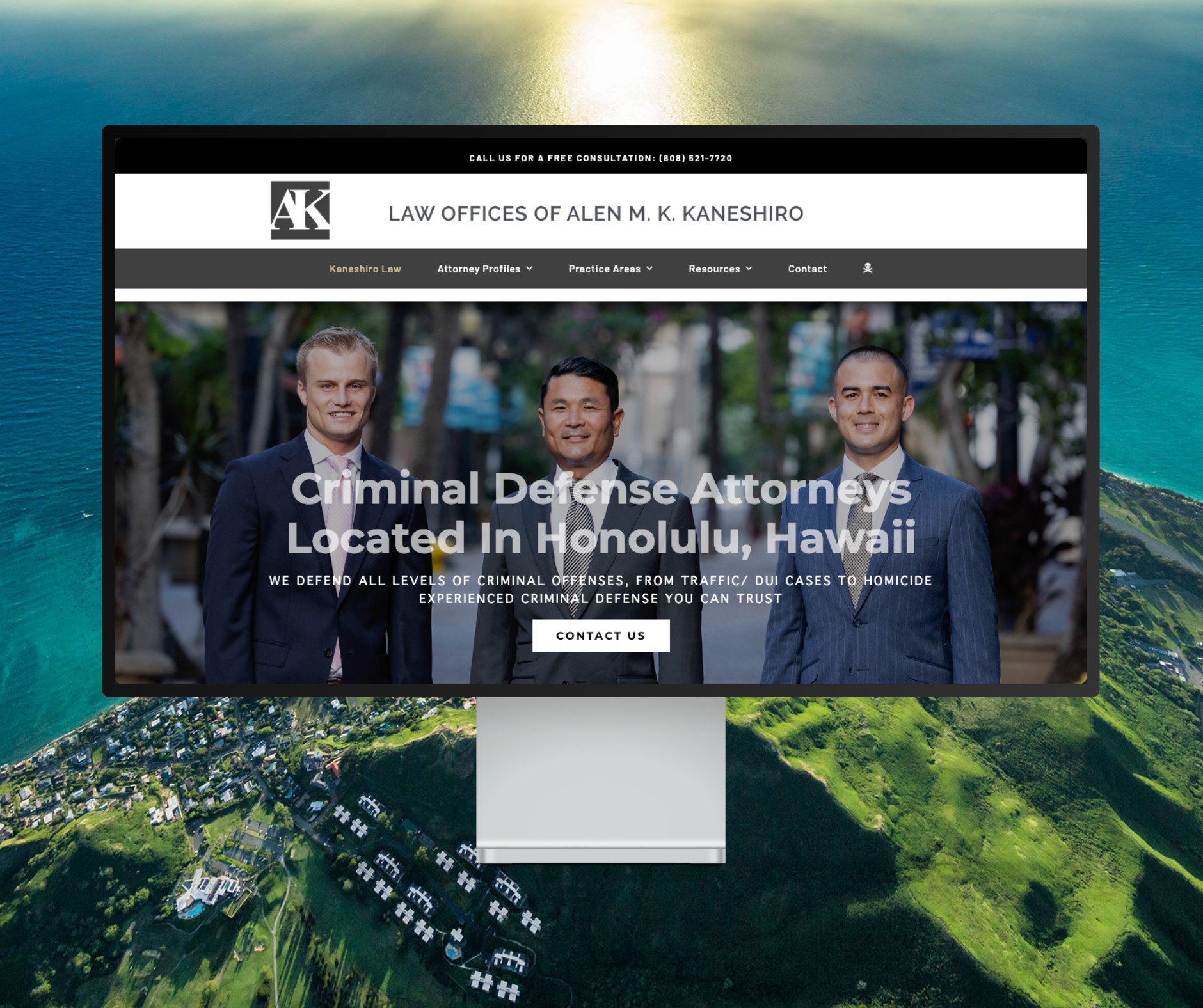
Featured Website: www.kaneshirolaw.com
Kaneshiro Law Firm, one of Hawaii’s most respected legal practices, partnered with The X Digital three years ago for a complete website redesign. Since then, we’ve maintained an ongoing relationship—handling updates, optimizations, and technical support around the clock. Our dedicated team ensures they’re never without assistance, while our enterprise-grade hosting provides 24/7 uptime monitoring and reliability. Kaneshiro Law Firm is one of many long-term clients who trust us to keep their digital presence running flawlessly.