

Most web design projects start with good intentions—and then get stuck in endless email threads. You send a mockup. The client replies three days later with questions. You clarify. They forward it to their partner. A week passes. Meanwhile, you’re not sure if they love it, hate it, or even opened the file.
Screen sharing for web design changes all of that. Instead of playing telephone through email and screenshots, you and your client look at the same thing at the same time. Questions get answered in real time. Decisions happen faster. And most importantly, everyone stays on the same page—literally.
Here’s why screen sharing has become one of the most valuable tools in our collaborative web design process, and how it makes projects faster, clearer, and more transparent for everyone involved.
Screen Sharing Eliminates the Guessing Game
When you email a design mockup or a staging link, you have no idea what the client is actually seeing. Are they viewing it on a phone? A tablet? An ancient desktop monitor with the colors all wrong? Are they scrolling? Clicking around? Staring at the homepage and missing the thing you wanted them to notice?
With screen sharing, you both see exactly the same thing. You can walk through the design section by section, explain why you made certain choices, and watch their reaction in real time. If something’s confusing, you know immediately—not three days later when they finally reply to your email.
You Can Show, Not Just Tell
Design is visual. Explaining a layout change or a color choice in writing is clunky at best. But when you share your screen, you can hover over elements, demonstrate how a menu works, or show how the page adapts on mobile. The client doesn’t have to imagine it—they see it happening.
This is especially useful for explaining technical decisions. Why does the contact form need to be above the fold? Why does this page load in two stages? Instead of writing a paragraph, you show them, and they get it instantly.
Clients Can Show You What They Mean, Too
Client and agency collaboration works both ways. When a client says “the spacing feels off,” they might not have the vocabulary to explain what they mean. But if they share their screen, they can point directly to the spot. You see the issue through their eyes, and you can fix the right thing the first time.
We’ve had clients share their screens to show us a competitor’s site they liked, a feature they wanted to replicate, or even a confusing error message they kept seeing. Those five-minute screen shares saved hours of back-and-forth guessing.
It Speeds Up Revisions and Approvals
Revisions are where web projects go to die. You make changes based on written feedback, send a new link, wait for the client to review it, and then find out you misunderstood what they meant. Repeat until everyone’s exhausted.
Screen sharing collapses that cycle. You can make small changes live during the call—adjusting font sizes, swapping images, tweaking button colors—and get instant feedback. The client sees the change, says yes or no, and you move on. What used to take a week of emails now takes 20 minutes.
Real-Time Edits Build Momentum
There’s something powerful about solving problems together in the moment. When a client sees you adjust a headline or reposition a photo while they’re watching, it feels collaborative instead of transactional. They’re not just approving work—they’re part of the process.
That momentum matters. Projects stay moving. Clients stay engaged. And you avoid the dreaded “radio silence” phase where everything stalls because someone forgot to reply to an email.
Transparency Builds Trust
One of the biggest complaints we hear about other agencies is the “black box” problem. The client pays, waits, and has no idea what’s actually happening until they get a finished product they didn’t expect.
Screen sharing for web design makes the process transparent. The client sees the work as it’s being built. They understand the decisions. They know where their money is going. And when something takes longer than expected, you can show them why—maybe the plugin they wanted doesn’t work with their hosting, or the layout needs custom code to work on mobile.
It Reduces Surprises at Launch
The worst time to discover a client hates the homepage is after you’ve already built the entire site. Screen sharing lets you catch misalignments early. You review the homepage together before moving to the inner pages. You walk through the mobile version before finalizing the desktop layout. By the time you reach launch, there are no surprises—just a site everyone already agreed on.
Screen Sharing Makes Complex Projects Manageable
For simple sites, email might be fine. But when you’re building something with custom features, integrations, or e-commerce functionality, written communication breaks down fast. Screen sharing keeps everyone aligned even when the project gets complicated.
We’ve used screen sharing to walk clients through:
- How their new booking system captures leads and syncs with their calendar
- Why their product pages load faster after we optimized images and caching
- How to update content themselves using the WordPress editor
- What happens behind the scenes when someone submits a contact form
In every case, the client left the call understanding not just what we built, but why it works the way it does. That understanding matters—it means they can use the site confidently and explain it to their team.
Training Becomes Part of the Process
Most agencies hand over a finished site and a PDF guide the client will never read. We use screen sharing to train clients as we go. While we’re reviewing a page, we show them how to edit it. While we’re testing a form, we show them where the submissions go. By launch, they already know how to manage their own site—no separate training session required.
Getting Started with Screen Sharing
You don’t need expensive tools or complicated setups. Zoom, Google Meet, and Microsoft Teams all include screen sharing. So does Slack. Pick whatever your client already uses, and you’re halfway there.
The key is to schedule regular check-ins, even if they’re short. A 15-minute screen share every few days keeps the project moving and prevents small misunderstandings from turning into big problems. Most clients appreciate the visibility—and the ones who don’t usually aren’t a good fit anyway.
In 20+ years of building websites, we’ve learned that the best projects aren’t the ones with the biggest budgets or the fanciest designs. They’re the ones where the client and agency actually communicate. Screen sharing makes that communication faster, clearer, and more human. It turns a transactional handoff into a real collaboration—and the final product is always better for it.
If your current web project feels stuck in email limbo, or if you’re starting a new site and want a process that actually keeps you in the loop, we’d love to help. Our team works directly with clients through every stage, using screen sharing and regular check-ins to make sure you get exactly what you need. Reach out and let’s talk about your project—we’ll start with a screen share, of course.
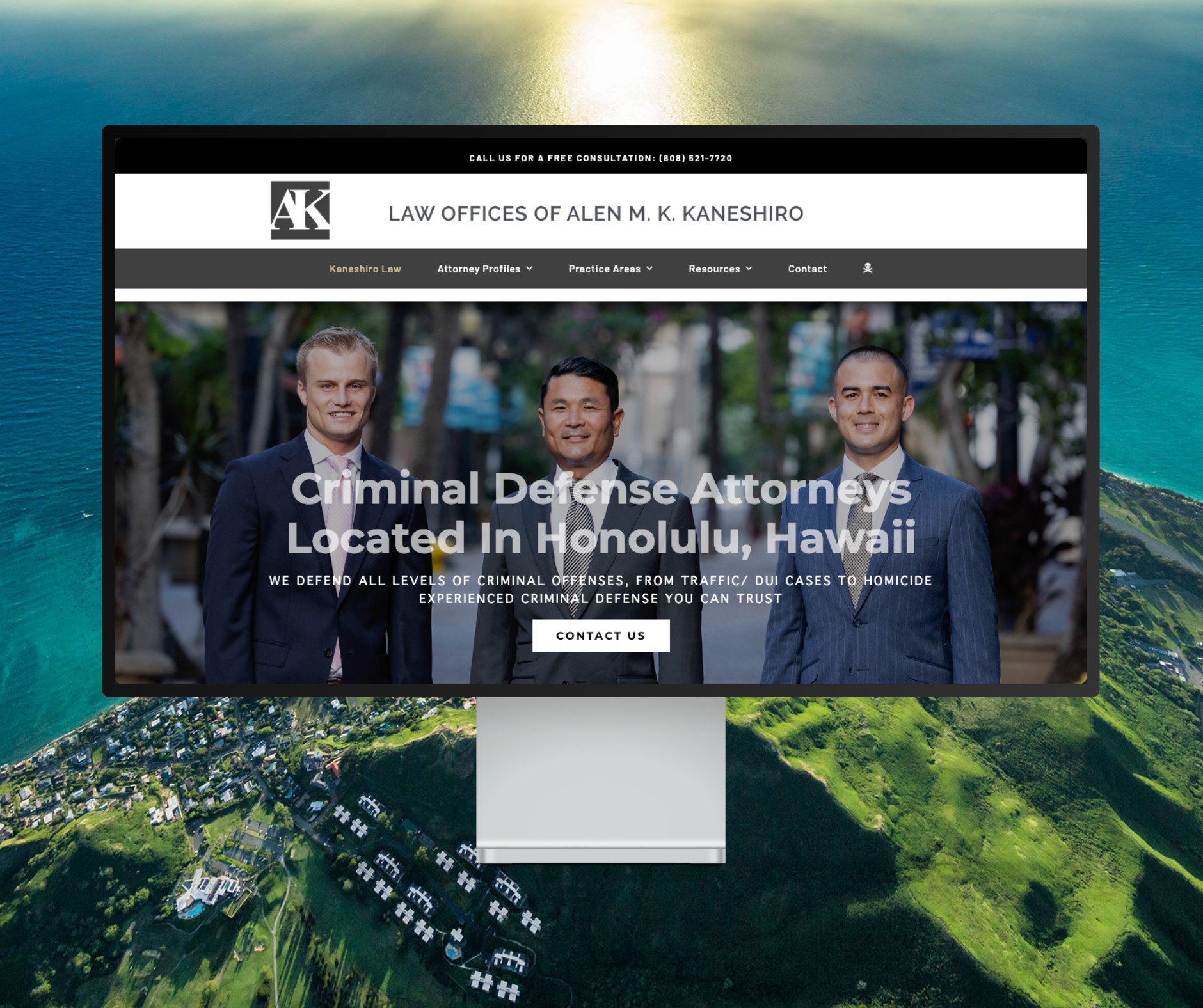
Featured Website: www.kaneshirolaw.com
Kaneshiro Law Firm, one of Hawaii’s most respected legal practices, partnered with The X Digital three years ago for a complete website redesign. Since then, we’ve maintained an ongoing relationship—handling updates, optimizations, and technical support around the clock. Our dedicated team ensures they’re never without assistance, while our enterprise-grade hosting provides 24/7 uptime monitoring and reliability. Kaneshiro Law Firm is one of many long-term clients who trust us to keep their digital presence running flawlessly.