

People are increasingly asking ChatGPT, Google AI Overviews, Perplexity, and other tools which businesses they should trust. If your company never appears in those recommendations, traditional search rankings may not be the only issue. Answer engine optimization (AEO) is the process of making your business clear, credible, and easy for AI systems to understand when they answer questions for potential customers.
AEO does not replace SEO, and it is not a trick for forcing your way into an AI-generated answer. Instead, it builds on the fundamentals that already help people trust your business: accurate information, useful content, clear services, real experience, and a technically sound website. In this guide, we’ll explain what AEO means, how AI search evaluates businesses, and what you can do now to improve your chances of being recommended.
What Is AEO for Small Businesses?
AEO for small businesses means organizing your website and online presence so answer engines can confidently understand what you offer, who you serve, where you work, and why customers should consider you.
Traditional SEO often focuses on ranking a webpage for a search phrase. AEO focuses on becoming a reliable source that an AI assistant can use when forming a direct response. For example, someone might ask, “Who offers emergency plumbing services in Honolulu?” or “What’s the best type of website platform for a small apparel brand?”
An answer engine may review many signals before mentioning a business, including:
- The clarity and usefulness of the business website
- Consistency of the company’s name, services, location, and contact information
- Reviews and reputation across trusted platforms
- Relevant mentions, links, and professional credentials
- Evidence that the business has genuine experience in its field
AEO and SEO work together
SEO helps search engines discover, interpret, and rank your content. AEO adds another layer: it helps systems extract accurate answers and connect those answers with your business.
That means you shouldn’t abandon keyword research or technical SEO. A fast website, logical page structure, descriptive headings, and helpful content support both traditional rankings and AI search optimization.
How Does AI Search Choose Businesses to Recommend?
AI search systems generally look for information that is relevant, understandable, consistent, and supported by evidence. They do not simply select the business with the most keywords on its homepage.
Clear information matters
Your website should answer basic questions without making visitors or AI systems hunt for the details. Every important service should have a dedicated page explaining what you do, who the service is for, the areas you cover, and what someone should do next.
For instance, a contractor serving Maui should clearly state the types of work completed, the communities served, whether estimates are available, and how customers can make contact. “We provide quality solutions” is vague. “We install and repair residential roofing throughout Maui” is much easier to understand.
First-hand expertise builds confidence
AI systems are more likely to rely on content that demonstrates genuine knowledge. Explain the decisions customers face, the mistakes you commonly correct, the questions you hear during consultations, and what a typical process involves.
This is where small businesses can compete with larger companies. You may not publish hundreds of articles, but you can provide specific, experience-based guidance that generic competitors cannot easily copy. Include author information where appropriate, identify your business clearly, and keep claims accurate.
Also check that your business information matches across your Google Business Profile, social profiles, industry directories, and website. Conflicting phone numbers, addresses, or service descriptions create unnecessary uncertainty.
What Can You Do to Improve Your AEO?
The most effective AEO work starts with improving the information customers already need. You do not need to publish an article every day or add artificial references to ChatGPT.
- Answer real customer questions. Create pages or FAQs for questions about pricing factors, timelines, service areas, options, and common problems.
- Make each service page specific. Explain the service, process, ideal customer, limitations, and next step in plain language.
- Strengthen your business profile. Keep your name, address, phone number, hours, categories, and service descriptions accurate everywhere.
- Show evidence of experience. Use original photos, project explanations, qualifications, videos, and carefully selected reviews where truthful and permitted.
- Use descriptive page structure. Write headings that reflect real questions, and place the direct answer near the beginning of each section.
- Improve technical foundations. Fix broken links, slow loading pages, mobile usability problems, indexing issues, and confusing navigation.
Structured data can also help search engines interpret details such as your business type, location, services, products, and frequently asked questions. It is useful, but it cannot compensate for inaccurate or thin content. Markup should describe what is genuinely visible and supported on the page.
Write for questions, not just keywords
Instead of creating a page around a phrase such as “roofing Maui,” consider the questions behind it: “How much does roof repair cost in Maui?” “How long does a roof replacement take?” and “What should I do after storm damage?” This approach naturally creates more helpful content and gives answer engines clearer material to interpret.
How Should You Start With AEO?
Start with a simple review of the questions your sales team, receptionist, or owner answers repeatedly. Those questions are usually the best first topics because they reflect real buying decisions.
Next, compare your website with the businesses you would want an AI assistant to recommend. Can a visitor quickly tell what you do, where you work, who is on your team, and why your approach is credible? If not, improve those core pages before investing in a large content campaign.
For example, a senior care provider might publish a helpful guide explaining the difference between home care and assisted living, who pays for each option, and what families should ask during an initial conversation. A vehicle rental company might clearly explain deposit requirements, pickup procedures, insurance considerations, and service areas. These pages can help people whether or not an AI system cites them.
There are no guaranteed shortcuts. Recommendations can vary by user, location, platform, and question. However, businesses that consistently provide accurate, useful, well-organized information give search engines—and potential customers—more reasons to trust them.
In our experience, the strongest AEO programs are not separate from good marketing. They are the result of making a business easier to understand everywhere online.
Want to know whether your website is ready for AI search? Request a free website review, and we’ll tell you exactly what we would fix first—from unclear service pages to technical issues that make your business harder to find.
FAQ
Is AEO different from SEO?
Yes. SEO focuses primarily on visibility in search results, while AEO focuses on helping answer engines understand and cite your business in direct responses. The two disciplines share many foundations.
Can a small business appear in ChatGPT recommendations?
It can, but no agency can guarantee a specific recommendation. Clear information, strong reputation signals, useful content, and consistent business details improve your chances.
How long does answer engine optimization take?
Basic improvements can begin immediately, while reputation, content, and search visibility usually develop over time. Results vary by industry, competition, location, and the quality of your existing website.
Do I need a separate AEO website?
No. Your existing website can usually support AEO after its content, structure, technical performance, and business information are improved.
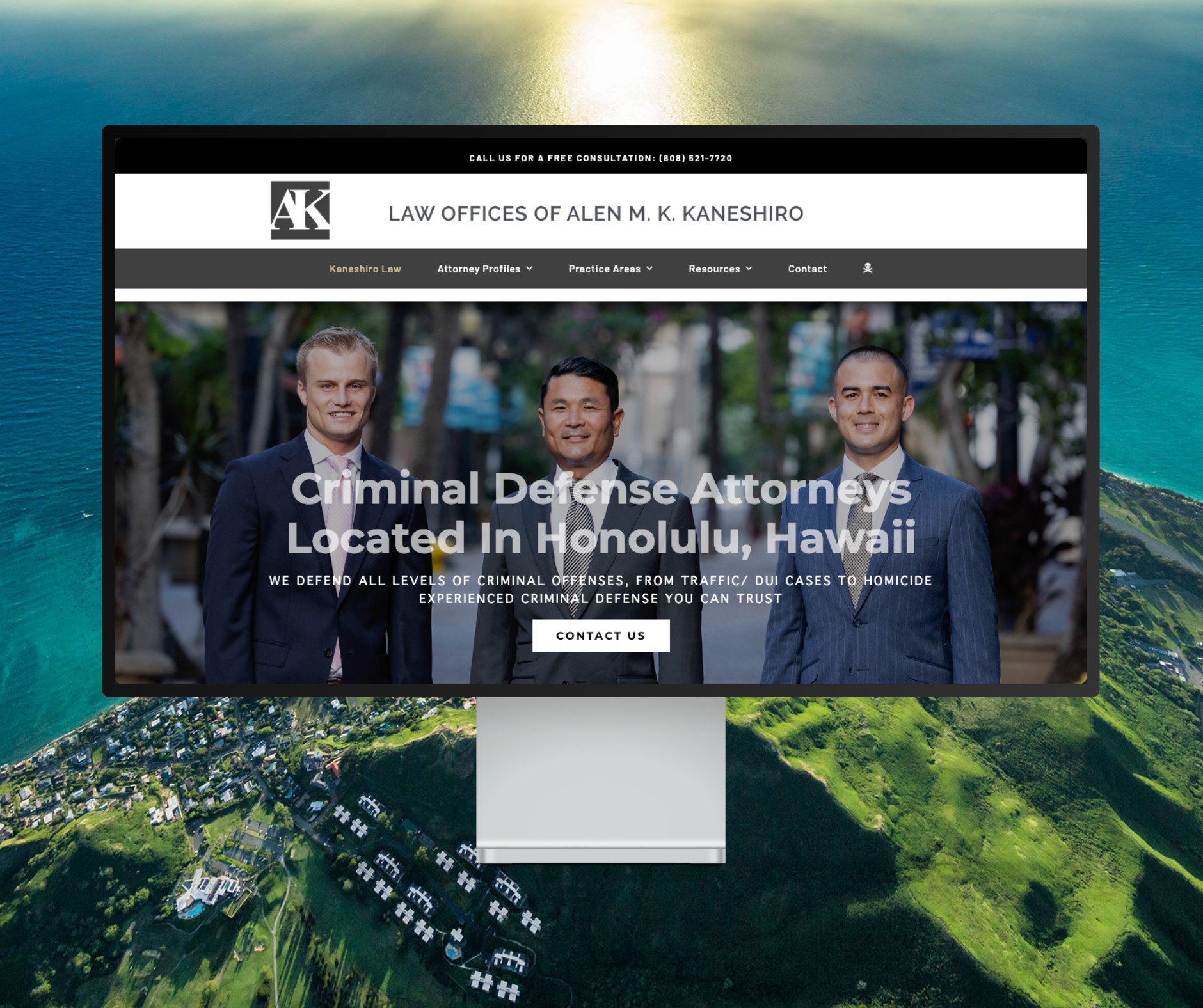
Featured Website: www.kaneshirolaw.com
Kaneshiro Law Firm, one of Hawaii’s most respected legal practices, partnered with The X Digital three years ago for a complete website redesign. Since then, we’ve maintained an ongoing relationship—handling updates, optimizations, and technical support around the clock. Our dedicated team ensures they’re never without assistance, while our enterprise-grade hosting provides 24/7 uptime monitoring and reliability. Kaneshiro Law Firm is one of many long-term clients who trust us to keep their digital presence running flawlessly.