

If you’re asking, “Why your website isn’t appearing in AI Overviews,” the answer probably isn’t that you need a secret schema tag, an expensive AI-search tool, or hundreds of pages written by a robot. Google’s current guidance is much less dramatic: the same technical SEO and people-first content fundamentals that help you appear in traditional Search also determine whether your pages can become supporting links in AI Overviews and AI Mode.
That doesn’t mean AI search is automatic. Your pages still need to be crawlable, indexable, useful, trustworthy, and easy for search systems to understand. In this guide, we’ll explain the most common reasons a website is missing from AI-generated results, what “AI overview optimization” actually involves, and the practical steps you can take to improve answer engine visibility without chasing every new piece of AI-search hype.
Why Your Website Isn’t Appearing in AI Overviews
First, it’s important to understand what an AI Overview is—and what it is not. Google describes AI Overviews as a way to help users understand complicated questions quickly while providing links that act as a starting point for further exploration. AI Overviews don’t appear for every search, and Google’s systems decide when an AI-generated response adds value compared with standard search results.
That means you may not see your website in an AI Overview for three very different reasons:
- There is no AI Overview showing for that query or location.
- Your page is not eligible to appear as a supporting link.
- Your page is eligible, but Google selected other sources for that particular response.
Google’s official AI features and website documentation states that there are no additional technical requirements or special optimizations required for AI Overviews. A page must be indexed and eligible to appear in Google Search with a snippet. In other words, AI Overview optimization starts with making sure your normal SEO foundation is working.
AI Overviews are not guaranteed placements
Even if your page ranks well, it may not be cited every time. AI-generated results can vary based on the user’s wording, location, device, language, search history, and the specific sources Google considers most relevant for that response.
So don’t treat one missing citation as proof that your site is failing. Test several closely related searches, check whether an AI Overview actually appears, and compare your pages with the websites that are consistently cited. The goal is not to force your way into every AI answer. The goal is to become a reliable source for the questions your business is genuinely qualified to answer.
Your Website May Not Be Technically Eligible
The most basic reason a site doesn’t appear in AI search is that Google can’t properly access, understand, or index the page. A page that is blocked, marked “noindex,” inaccessible to Googlebot, or excluded because of a serious technical issue cannot become a supporting link in an AI Overview.
Start with indexing and crawlability
Open Google Search Console and inspect the specific URLs you want to be cited. Check whether each page is:
- Indexed in Google.
- Allowed to appear in search results.
- Accessible without a login, paywall, or broken script.
- Included in your XML sitemap where appropriate.
- Using a canonical URL that points to the correct version of the page.
- Free from accidental robots.txt blocks or “noindex” instructions.
Pay special attention to pages that were recently redesigned, migrated, or moved to a new WordPress hosting environment. A single staging-site setting, redirect mistake, or plugin configuration can prevent important content from being indexed.
Check whether your content can generate a snippet
Google’s eligibility requirement is not simply “the page exists.” The page must be eligible to appear in Search with a snippet. If you use a restrictive nosnippet directive or other controls that prevent Google from displaying a preview, that can affect your visibility in AI features.
Also review whether your main content is actually visible in the HTML and readable without relying entirely on client-side scripts. Modern websites can be technically impressive but still make it harder for search systems to identify the primary answer.
These are practical AEO technical requirements—not secret AI tricks. They are the same fundamentals we check when repairing underperforming WordPress websites: access, indexation, speed, redirects, templates, and content structure.
Your Content May Not Give Google a Clear Answer
AI systems need to identify useful passages, connect them to a searcher’s question, and determine whether the source is credible enough to cite. If your page is vague, repetitive, overly promotional, or buried under a long introduction, it becomes harder to extract a dependable answer.
Answer the question early
Many business websites make visitors work too hard. A service page may begin with a dramatic headline, several paragraphs about company history, and generic claims before explaining what the business actually does.
For AI search, lead with clarity. If the page is about emergency roof repair, explain what emergency roof repair includes, when someone needs it, what the first step should be, and what affects the cost. If it’s about senior home care, define the service, identify who it helps, and explain how families get started.
A strong page usually includes:
- A direct answer near the top.
- Clear subheadings built around real customer questions.
- Specific examples, limitations, costs, timeframes, or process details.
- Original experience that competitors cannot easily copy.
- Helpful internal links to related services or supporting resources.
- A clear next step for the reader.
Google’s guidance on helpful, reliable, people-first content emphasizes original information, first-hand expertise, a clear site purpose, and content that leaves readers satisfied. That is a useful standard for both traditional SEO and answer engine visibility.
Replace generic claims with evidence
“We provide high-quality service” is not a citable insight. Explain how you deliver that service. Include the questions customers ask before hiring you. Share mistakes to avoid, realistic expectations, and situations where your service may not be the right fit.
This is especially important for local service businesses and professional services. A contractor can explain how an inspection works. A marketing agency can show how it diagnoses a traffic drop. A wellness provider can clarify what a service does—and what it does not do.
That practical detail demonstrates expertise while giving AI systems clearer statements to associate with your business.
You May Lack Enough Trust and Authority
Being technically eligible does not mean Google will choose your page. AI-generated answers need sources that appear dependable, relevant, and authoritative for the topic. A brand-new website with thin content and no independent references may struggle, even if its pages are perfectly optimized.
Authority is not only about collecting backlinks. It is also about creating a consistent body of useful information around a focused subject. If your website publishes one article about plumbing, another about social media, and another about cryptocurrency without a clear connection to your business, Google receives weaker signals about what you genuinely know.
Build topical depth around customer problems
Instead of publishing random articles because a keyword tool suggested them, organize content around the decisions your customers need to make. For example, a vehicle rental company might cover:
- How to choose the right vehicle for a family trip.
- What insurance options mean in plain English.
- Questions to ask before renting a vehicle.
- Driving conditions and planning considerations for the destination.
- What to do if the vehicle has a mechanical problem.
Each page should serve a distinct purpose and link naturally to the others. Over time, this creates a recognizable expertise footprint rather than a pile of disconnected posts.
Make the business entity clear
Your About page, contact details, author information, service areas, and business profiles should all reinforce who you are and what you do. Use consistent business names, addresses, phone numbers, and descriptions where appropriate.
Structured data can help search engines understand page details, but it is not a shortcut to AI citations. Google’s structured data guidelines make clear that markup can make a page eligible for certain search features, but Google does not guarantee that those features will appear. Structured data must accurately represent visible page content and should never be used to disguise thin or misleading information.
In practical terms, use schema where it genuinely fits—such as Organization, LocalBusiness, Article, Product, or Breadcrumb markup—but fix the content and technical foundation first.
You May Be Measuring the Wrong Thing
AI search visibility is difficult to measure if you only look at one keyword or one screenshot. AI Overviews can change depending on the query wording, and the cited links may differ between related searches. A page may be cited for a detailed question while not appearing for a broad version of the same topic.
Create a small tracking set based on real customer questions. Include informational, comparison, local, and commercial searches. Record:
- Whether an AI Overview appears.
- Which websites are cited.
- Whether your brand is mentioned or linked.
- What type of page Google selected.
- Whether your page answers the question more clearly than the cited sources.
Search from the locations you actually serve, and avoid assuming that one personal search represents everyone. Also remember that traditional analytics may not clearly separate all AI-generated search activity from ordinary organic traffic. Look for trends in branded searches, assisted conversions, engagement on cited pages, and direct inquiries that mention Google, ChatGPT, or another answer engine.
Don’t confuse eligibility with guaranteed citation
A common mistake is to spend money on an “AI visibility” package that promises a specific number of citations. No legitimate provider can guarantee that Google will include a page in a changing AI-generated response.
Google also provides a control that lets site owners manage inclusion in certain Search generative AI features. If your team recently changed settings, review the Search generative AI control documentation to make sure you have not unintentionally excluded your site. For most businesses, however, the better strategy is to improve the site rather than block AI features.
A Practical AI Overview Optimization Checklist
If your website is not appearing in AI Overviews, work through this order. It prioritizes the issues most likely to affect visibility and avoids wasting time on cosmetic changes.
- Confirm indexation: Inspect important pages in Google Search Console and resolve indexing, canonical, robots.txt, or noindex problems.
- Check snippet eligibility: Review nosnippet settings and make sure Google can access and understand the main content.
- Improve the answer: Put a direct, useful response near the top of each page and organize the rest around related questions.
- Add first-hand detail: Include original processes, examples, photos, case studies, pricing factors, and practical limitations.
- Strengthen trust: Make your business identity, authorship, service area, credentials, and contact information clear.
- Use accurate structured data: Add relevant markup, validate it, and never use it as a substitute for visible content.
- Build focused topical depth: Publish fewer, better resources that support your core services and customer decisions.
- Track real queries: Monitor a representative set of searches instead of relying on one keyword or one test.
This process can also improve your chances of earning ChatGPT business citations and visibility in other answer engines. The platforms use different systems, but trustworthy, clearly structured, genuinely useful information is a stronger foundation than writing content designed to manipulate a particular AI model.
Conclusion: Build a Website Worth Citing
If your website isn’t appearing in AI Overviews, don’t begin by chasing a magic prompt, special plugin, or inflated promise about “generative engine optimization.” Start with the fundamentals: make your pages accessible, indexable, focused, useful, and supported by real expertise.
Google’s current position is straightforward: there are no special technical requirements for AI Overviews beyond being eligible for normal Search visibility. The opportunity is still significant, but the work is familiar. Businesses that publish clear answers, demonstrate first-hand experience, maintain a healthy website, and build genuine authority are better positioned for both conventional rankings and answer engine visibility.
At The X Digital, we approach AEO the same way we approach SEO, WordPress, and website recovery: diagnose the real problem first, fix the foundation, and then build content that helps people make decisions. If your site is not being cited, the next step is not guessing. It’s finding out why.
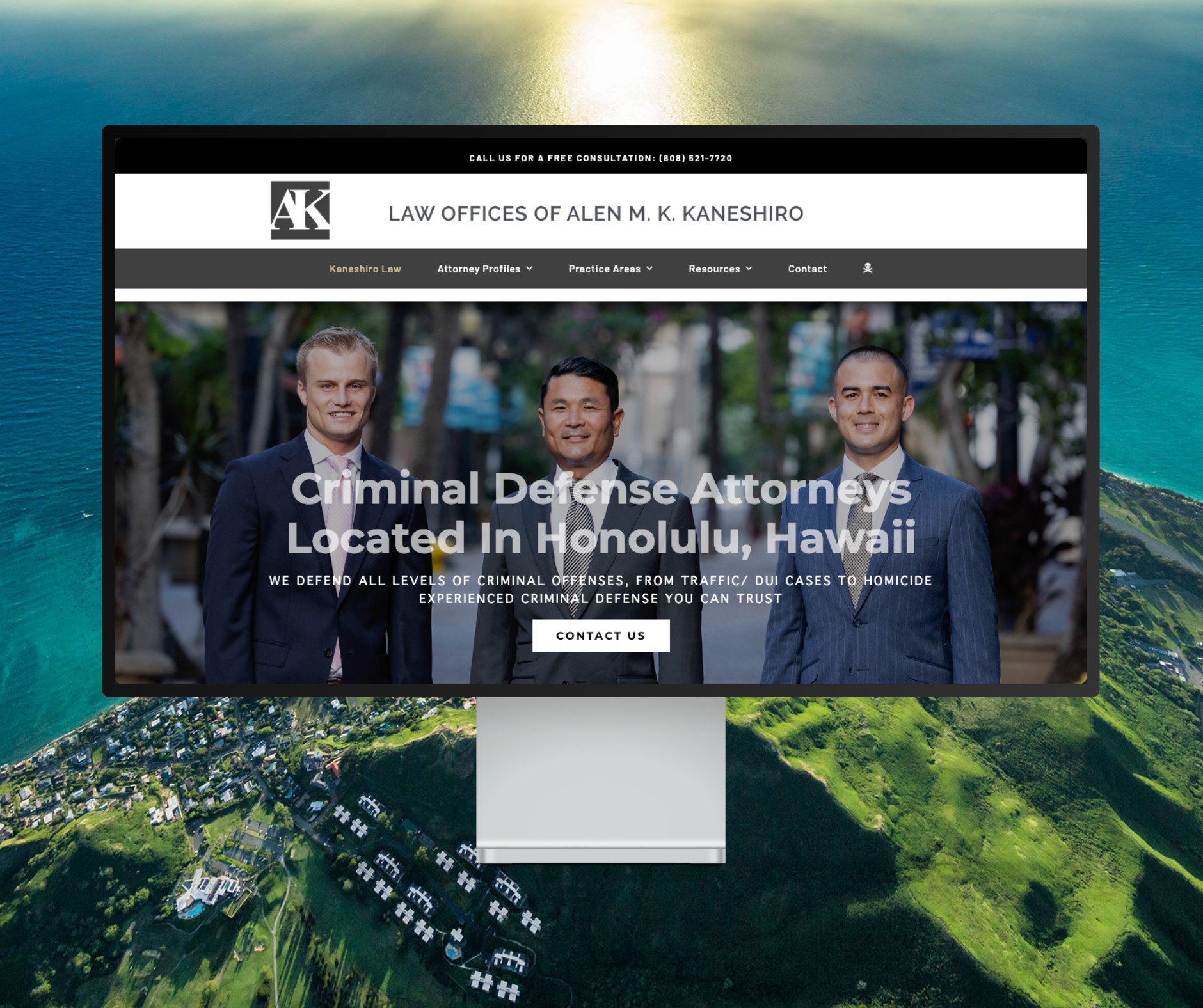
Featured Website: www.kaneshirolaw.com
Kaneshiro Law Firm, one of Hawaii’s most respected legal practices, partnered with The X Digital three years ago for a complete website redesign. Since then, we’ve maintained an ongoing relationship—handling updates, optimizations, and technical support around the clock. Our dedicated team ensures they’re never without assistance, while our enterprise-grade hosting provides 24/7 uptime monitoring and reliability. Kaneshiro Law Firm is one of many long-term clients who trust us to keep their digital presence running flawlessly.