

Getting locked out of your Google Ads account is more than just frustrating — it can shut down your lead pipeline overnight. One day your campaigns are running smoothly, and the next, you’re staring at a suspension notice with vague policy language and no clear path forward. We’ve seen this happen to dozens of clients over the years, from local contractors to e-commerce brands, and the stress is always the same: revenue stops, but the bills don’t.
The good news? Most Google Ads account suspensions are preventable, and many are reversible if you know what you’re doing. In this guide, we’ll walk through the most common reasons your Google Ads account gets suspended, the red flags that trigger Google’s automated systems, and the exact steps you need to take to protect your account — or get it reinstated if it’s already too late.
Why Google Ads Account Suspensions Happen
Google doesn’t suspend accounts for fun. Their primary goal is protecting users from scams, malware, and misleading ads. The problem is that their enforcement is largely automated, which means legitimate businesses can get caught in the crossfire. Understanding why suspensions happen is the first step toward prevention.
Automated Policy Enforcement
Google uses machine learning algorithms to scan millions of ads, landing pages, and advertiser behavior patterns every day. When something trips their system — whether it’s a keyword, a page element, or an unusual billing pattern — the account can be suspended immediately, often without human review. This is why you might wake up to a suspension notice even though you haven’t changed anything recently.
The Most Common Triggers
After handling hundreds of Google Ads campaigns and more than a few account rescues, we’ve seen the same issues come up again and again. Here are the violations that cause the majority of suspensions:
- Circumventing systems — Cloaking content, hiding text, or trying to game Google’s ad delivery
- Misrepresentation — Unclear business identity, missing contact info, or misleading claims
- Billing issues — Payment failures, disputed charges, or suspicious payment patterns
- Prohibited content — Advertising restricted products or services without proper certification
- Landing page problems — Malware, broken pages, or content that doesn’t match the ad
- Trademark violations — Using protected brand names without authorization
The Top Reasons Your Google Ads Account Gets Suspended
Let’s dig into the specific violations we see most often, what they actually mean in plain English, and why Google cares about them.
1. Circumventing Systems Policy Violation
This is the big one — and often the most confusing. A Google Ads policy violation for “circumventing systems” means Google believes you’re trying to work around their ad policies or review processes. This can include cloaking (showing different content to Google than to users), using sneaky redirects, or manipulating ad text to avoid detection.
Here’s what triggers it in real-world scenarios: running ads to a landing page that immediately redirects somewhere else, using dynamic text replacement in ways that hide your actual offer, or having multiple suspended accounts and trying to open a new one. Even if you’re not intentionally gaming the system, technical issues like broken tracking pixels or redirect chains can look suspicious to Google’s algorithms.
2. Misrepresentation and Unclear Business Information
Google wants users to know exactly who they’re doing business with. If your landing page doesn’t clearly display your business name, physical address, and contact information, you’re at risk. We’ve seen accounts suspended because the footer text was too small to read on mobile, or because the “Contact Us” page was three clicks deep.
This also includes making claims you can’t back up. Phrases like “guaranteed results,” “FDA approved” (when you’re not), or testimonials that look fabricated will get you flagged. The rule of thumb: if you wouldn’t say it to a customer’s face with proof in hand, don’t say it in your ad or on your landing page.
3. Payment and Billing Problems
Failed payments are one of the fastest ways to get suspended. If your credit card expires, gets declined, or if you dispute a charge with your bank, Google may suspend your account immediately. They’re especially sensitive to patterns that look like payment fraud — like rapidly changing billing information or using multiple cards in a short period.
We’ve also seen suspensions triggered when a business switches from one payment method to another too quickly, or when there’s a mismatch between the billing address on file and the business address on the website. Keep your payment info current and consistent.
4. Landing Page Quality and Security Issues
Your landing page is just as important as your ad. If Google’s crawlers detect malware, a hacked site, or a page that doesn’t load properly, your account can be suspended for user safety. This is especially common with WordPress sites that haven’t been maintained — outdated plugins are a favorite entry point for hackers.
Other landing page issues include pages that are mostly ads (little actual content), pages with auto-downloading files, or pages that don’t match the ad’s promise. If your ad says “free quote” but the landing page is a hard sales pitch with no form, that’s a mismatch Google will penalize.
5. Restricted Content Without Proper Certification
Certain industries require additional verification before you can advertise. Healthcare, financial services, addiction treatment, bail bonds, and anything related to pharmaceuticals all fall under restricted categories. If you’re advertising in one of these spaces without completing Google’s certification process, you’ll get suspended — even if your business is 100% legitimate.
The certification process varies by industry, but it usually involves submitting business licenses, proof of accreditation, and agreeing to additional monitoring. Don’t skip this step if it applies to your business.
How to Prevent a Google Ads Account Suspension
Prevention is always easier than reinstatement. Here’s how we keep our clients’ accounts in good standing year after year.
Audit Your Landing Pages Regularly
Set a recurring calendar reminder to check every landing page your ads point to. Make sure contact information is visible, the page loads quickly on mobile, and there are no broken links or security warnings. Run a malware scan if you’re on WordPress — we use managed hosting with daily monitoring for our clients specifically to catch these issues before Google does.
Keep Your Business Information Consistent
Your business name, address, and phone number should match across your website, Google Business Profile, Google Ads billing info, and any other public listings. Inconsistencies look suspicious to automated systems. If you move offices or rebrand, update everything at once.
Read the Policies (Yes, Really)
Google’s advertising policies are long and boring, but they’re also very specific. Spend an hour reading through the sections that apply to your industry. The policies change regularly, so check back every few months. If something seems unclear, err on the side of caution — it’s easier to be conservative than to fight a suspension.
Monitor Your Account for Policy Warnings
Google usually sends warnings before a full suspension. Log into your Google Ads account at least weekly and check the notifications tab. If you see a policy warning on an ad or keyword, fix it immediately. Ignoring warnings is a fast track to account-level suspension.
Use a Dedicated Payment Method
Set up a credit card or bank account that’s used exclusively for Google Ads, and make sure it has enough credit or funds to cover your monthly spend. Enable automatic payments and set up email alerts for declined transactions. This one simple step prevents the majority of billing-related suspensions we see.
How to Unsuspend Your Google Ads Account
If your account is already suspended, don’t panic — but do act quickly. Google’s reinstatement process can take anywhere from a few days to several weeks, depending on the violation and how well you handle the appeal.
Step 1: Understand the Exact Reason
Check the email Google sent when they suspended your account. It will cite a specific policy violation. Read that policy section carefully. If the reason seems vague (like “circumventing systems”), look for clues in your recent account activity: Did you change landing pages? Add new keywords? Update your website?
Step 2: Fix the Underlying Issue
You can’t appeal a suspension without first fixing what caused it. If it’s a landing page problem, clean up the page and make sure it’s fully compliant. If it’s a payment issue, update your billing info and clear any outstanding charges. If you’re not sure what’s wrong, hire someone who deals with Google Ads compliance regularly — this isn’t the time to guess.
Step 3: Submit a Clear, Professional Appeal
When you’re ready to appeal, be direct and specific. Explain what was wrong, what you’ve done to fix it, and how you’ll prevent it from happening again. Don’t argue with Google or claim the suspension was unfair — even if it was. The review team responds better to accountability than defensiveness.
Here’s a simple template structure that works:
- Acknowledge the policy violation
- Explain the specific changes you made to comply
- Confirm your understanding of the policy going forward
- Request reinstatement
Keep it under 300 words. Attach screenshots if they help prove compliance. Submit the appeal through your Google Ads account dashboard, and then wait. Don’t submit multiple appeals — that can actually slow down the process.
What to Do If Your Appeal Is Denied
If Google denies your first appeal, you can usually submit a second one. This time, be even more specific about what you fixed. Include before-and-after screenshots. If you’ve made changes to your website, include URLs and timestamps. The goal is to make it easy for the reviewer to see that you’ve taken the violation seriously.
In rare cases where multiple appeals fail and you genuinely believe the suspension is a mistake, you may need to escalate through Google’s support channels or work with a Google Ads agency that has direct rep access. We’ve successfully reinstated accounts that were denied twice by providing detailed technical documentation that the automated review missed.
When to Get Professional Help with Google Ads Reinstatement
Some suspensions are straightforward to fix. Others require experience navigating Google’s policies, understanding what their algorithms actually flag, and knowing how to communicate with their review teams. If you’ve been denied once, if the violation reason is unclear, or if your business depends on Google Ads revenue, it’s worth bringing in someone who’s done this before.
We’ve handled Google Ads account suspensions for clients in industries ranging from senior care to vehicle rentals, and the pattern is always the same: the faster you address the root cause with precision, the faster you get reinstated. Guessing or hoping Google will “figure it out” rarely works.
Final Thoughts: Stay Compliant, Stay Running
Your Google Ads account is too important to risk on shortcuts or outdated tactics. The businesses that never deal with suspensions are the ones that build compliant campaigns from day one, keep their websites secure and transparent, and treat Google’s policies as guardrails rather than obstacles.
If you’re running Google Ads in-house, make compliance part of your monthly routine. If you’re working with an agency, make sure they’re monitoring for policy issues proactively — not just reacting when something breaks. And if you’re already suspended, don’t wait. Every day your ads are down is a day your competitors are capturing the leads that should be yours.
Need help getting your Google Ads account back online or want to make sure you’re set up to avoid suspension in the first place? We’ve been managing and rescuing Google Ads accounts for over two decades. Reach out to our team — we’ll review your situation and give you a straight answer about what needs to happen next.
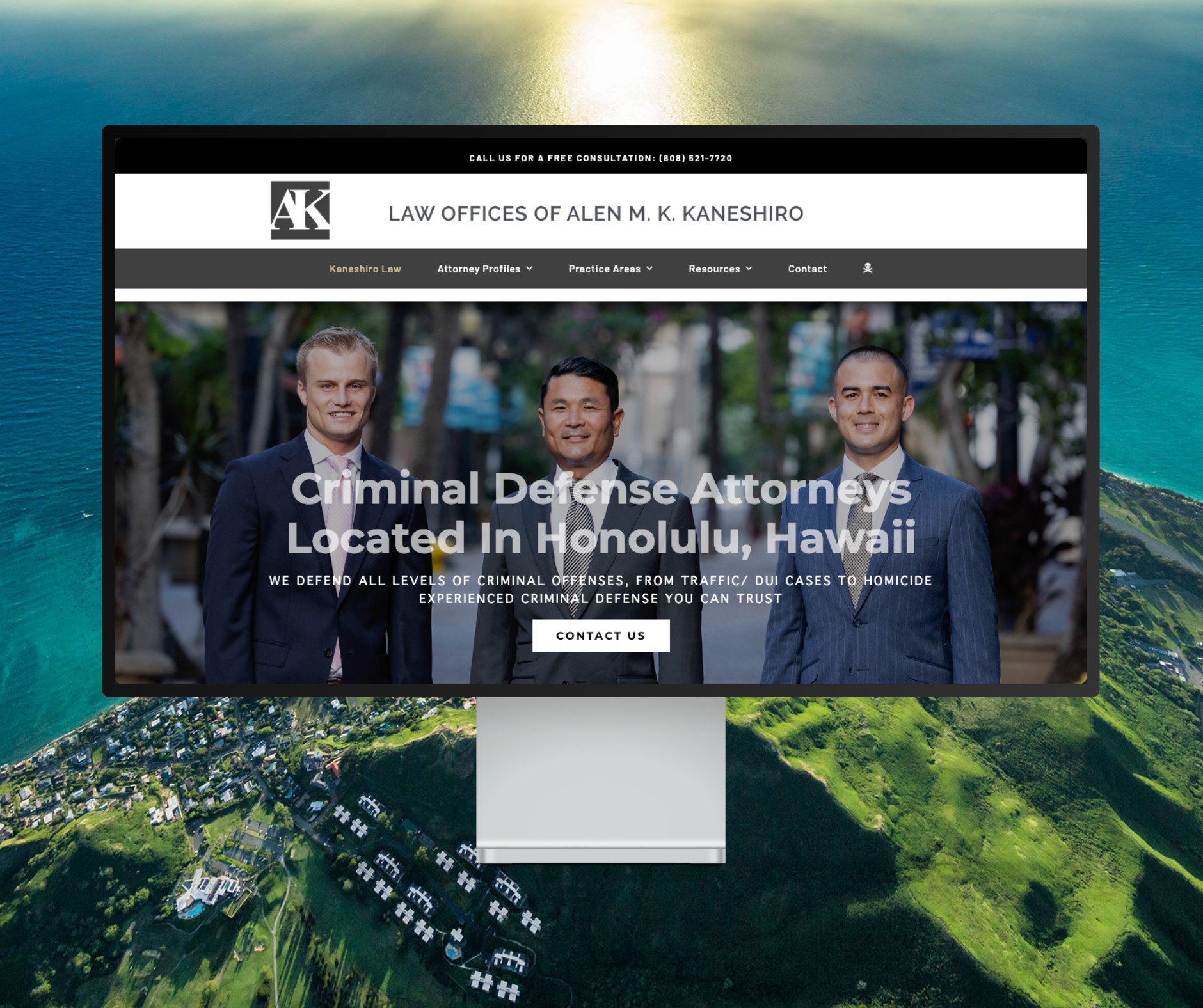
Featured Website: www.kaneshirolaw.com
Kaneshiro Law Firm, one of Hawaii’s most respected legal practices, partnered with The X Digital three years ago for a complete website redesign. Since then, we’ve maintained an ongoing relationship—handling updates, optimizations, and technical support around the clock. Our dedicated team ensures they’re never without assistance, while our enterprise-grade hosting provides 24/7 uptime monitoring and reliability. Kaneshiro Law Firm is one of many long-term clients who trust us to keep their digital presence running flawlessly.