Imagine your website as your digital storefront, open 24/7 to customers worldwide. Now imagine a tiny, invisible intruder slipping in, silently siphoning off data, redirecting visitors, or even shutting the whole operation down. This isn’t science fiction; it’s the reality of website malware, and it’s far more common than most business owners realize. While platforms like WordPress are popular targets, no website is truly immune. That’s why your website needs regular malware scans and cleanup – it’s not just a good idea; it’s essential for your business’s health and reputation.
At The X Digital, we’ve spent over two decades in the trenches of digital marketing, fixing everything from Google Ads suspensions to full-blown website hacks. We’ve seen firsthand the damage malware can inflict, and we understand the stress it causes busy owner-operators. In this article, we’ll explain why consistent malware scanning and proactive cleanup are non-negotiable for any business with an online presence, regardless of your website’s platform. We’ll cover the hidden dangers, the common misconceptions, and what steps you can take to protect your digital assets.
The Silent Threat: Why Website Malware Scans Are Crucial
Many business owners assume that if their website looks fine, it *is* fine. Unfortunately, malware often operates in stealth. It’s not always about flashing red warning signs or your site getting immediately defaced. Often, malicious code hides in plain sight, slowly eroding your site’s performance, security, and search engine rankings. A regular website malware scan acts like a digital detective, sniffing out these hidden threats before they escalate.
We’ve managed over a hundred client websites on our own hosting infrastructure, and we take responsibility for their speed and security. This hands-on experience has taught us that even the smallest vulnerability can be exploited. Malware can be injected through outdated plugins, weak passwords, or even other compromised websites sharing the same server space. Without consistent scanning, these vulnerabilities become open doors for attackers.
Beyond the Obvious: Hidden Dangers of Website Malware
- SEO Damage: Malware can inject spammy links or redirect users to malicious sites, leading to Google blacklisting your site or plummeting search rankings. Recovering from this can take months of effort and lost traffic.
- Data Breaches: E-commerce sites and those collecting customer data are prime targets. Malware can steal sensitive information like credit card numbers, personal data, and login credentials, leading to massive trust issues and potential legal repercussions.
- Reputation Ruin: A compromised website can quickly erode customer trust. If visitors encounter warnings, spam, or a broken site, they’re unlikely to return, damaging your brand’s credibility.
- Performance Degradation: Malicious code often consumes server resources, slowing down your website. Slow sites lead to higher bounce rates and frustrated users, impacting conversions and user experience.
- Email Spam: Your website can be used as a relay for sending out spam emails, leading to your domain being blacklisted by email providers and legitimate communications failing to deliver.
It’s Not Just WordPress: Understanding Universal Website Vulnerabilities
While WordPress is frequently mentioned in the context of website security due to its popularity, it’s a critical misconception to think that other platforms are inherently immune. We build conversion-focused websites on various platforms, including Shopify and custom solutions, and we can tell you: every website, regardless of its underlying technology, has potential vulnerabilities that hackers can exploit. The core issue isn’t always the platform itself, but often the way it’s managed, updated, and secured.
Consider the ecosystem around any website: themes, plugins, third-party integrations, server configurations, and even the human element (like weak passwords). Each of these components can introduce a point of failure. A custom-built site might seem more secure because it’s less common, but if it lacks regular security audits or uses outdated libraries, it’s just as vulnerable. Our team has handled malware cleanups and hack recovery for a wide range of sites, proving that vigilance is universal.
Common Entry Points for Malware (Beyond Platform-Specific Issues)
- Outdated Software: This is arguably the biggest culprit. Whether it’s your CMS, server software (like PHP), or any third-party script, outdated versions often contain known security flaws that hackers actively target.
- Weak Passwords: Simple, reused, or easily guessable passwords for your admin panel, hosting, or FTP accounts are an open invitation for brute-force attacks.
- Vulnerable Third-Party Integrations: Many websites rely on external tools for analytics, CRM, marketing, or payment processing. If these integrations have security holes, they can become a backdoor to your site.
- Phishing and Social Engineering: Sometimes, the weakest link is a human. An employee falling for a phishing scam can inadvertently give attackers access to critical systems.
- Poor Server Security: Shared hosting environments, if not properly secured by the provider, can allow malware to spread from one compromised site to others on the same server.
The Proactive Approach: Regular Malware Cleanup Service & Prevention
Identifying malware through regular scans is only half the battle; the other half is effective cleanup and, crucially, prevention. A professional malware cleanup service doesn’t just remove the visible infection; it identifies the root cause, patches the vulnerability, and hardens your site against future attacks. Think of it like deep cleaning your home after a pest infestation – you don’t just sweep up the bugs; you find out how they got in and seal those entry points.
At The X Digital, we take a comprehensive approach to managed WordPress hosting and care, which includes proactive monitoring and rapid response to security threats. We believe in building long-term partnerships, and that means taking responsibility for the ongoing security of the websites we host and manage. Our goal is to prevent website hacks before they even happen, saving our clients the headache, cost, and reputational damage of a full-blown crisis.
Key Elements of an Effective Malware Strategy
- Automated & Manual Scans: Implement automated daily or weekly scans, but also schedule periodic manual reviews by security experts who can spot anomalies that automated tools might miss.
- Immediate Cleanup & Patching: Once malware is detected, it needs to be removed thoroughly, and the vulnerability that allowed it in must be patched immediately. This often involves updating software, removing suspicious files, and re-securing access points.
- Strong Password Policies: Enforce the use of strong, unique passwords for all accounts associated with your website and hosting. Use a password manager.
- Regular Backups: Maintain reliable, off-site backups of your entire website. In the worst-case scenario, a clean backup can be a lifesaver for hack recovery.
- Web Application Firewall (WAF): A WAF acts as a shield, filtering malicious traffic before it even reaches your website, protecting against common attack vectors.
- Ongoing Updates & Maintenance: Keep all your website software – CMS, themes, plugins, server components – updated to their latest versions. This closes known security holes.
- Security Monitoring: Implement tools that monitor your website for suspicious activity, file changes, and unauthorized access attempts in real-time.
Conclusion: Invest in Website Security for Peace of Mind
For small and mid-sized businesses whose website is a critical revenue channel, neglecting security is like leaving your storefront unlocked with cash on the counter. The risks of website malware – from lost sales and damaged SEO to data breaches and reputational harm – far outweigh the cost of prevention.
At The X Digital, we’ve built, ranked, repaired, and grown businesses online for over two decades. We understand that you’re a busy owner-operator, and you don’t have time to become a cybersecurity expert. That’s why we offer comprehensive managed WordPress hosting and care services, including robust website security, regular malware scans, and proactive hack recovery. Our lean, senior team ensures your website remains a secure, high-performing asset, allowing you to focus on what you do best: running your business. Don’t wait for a crisis to act; let us help you build a durable, secure online presence. If you’re concerned about your website’s security, reach out for an honest conversation about how we can help.
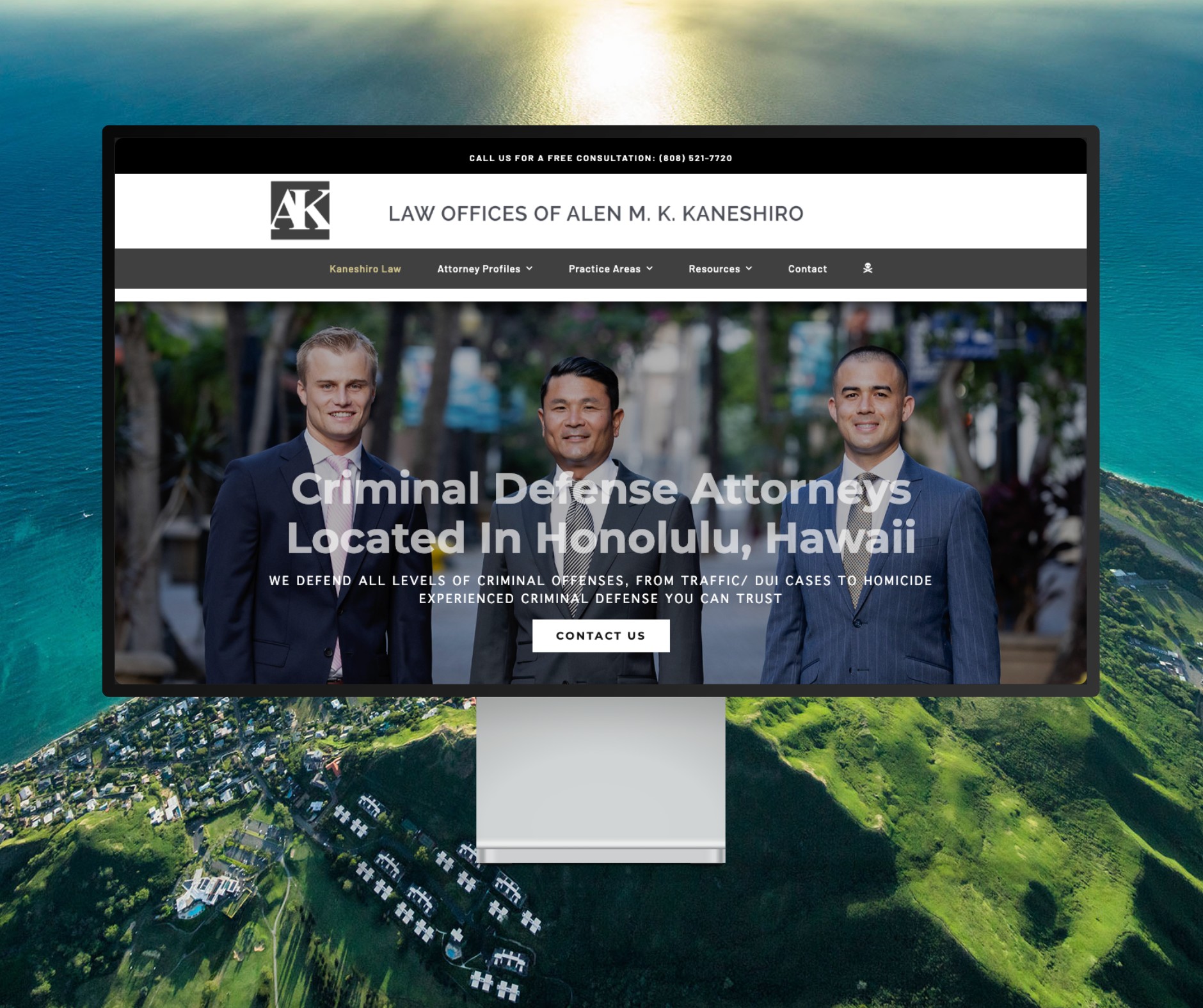
Featured Website: www.kaneshirolaw.com
Kaneshiro Law Firm, one of Hawaii’s most respected legal practices, partnered with The X Digital three years ago for a complete website redesign. Since then, we’ve maintained an ongoing relationship—handling updates, optimizations, and technical support around the clock. Our dedicated team ensures they’re never without assistance, while our enterprise-grade hosting provides 24/7 uptime monitoring and reliability. Kaneshiro Law Firm is one of many long-term clients who trust us to keep their digital presence running flawlessly.