

A negative Google review can feel personal, especially when you’ve worked hard to serve customers well. But the way you respond often matters more than the review itself. A calm, useful reply can reassure future customers, show that you take feedback seriously, and sometimes recover the relationship with the unhappy customer. A defensive or emotional response can do the opposite. In this guide, we’ll explain how to respond to negative Google reviews without making the situation worse. You’ll learn what to say, what to avoid, when to take the conversation offline, how to handle unfair or fake reviews, and how thoughtful replies fit into practical small business reputation management.
How to Respond to Negative Google Reviews Without Escalating the Problem
Before typing anything, pause. You don’t need to respond within the next five minutes, and you shouldn’t write while you’re angry. Read the review carefully, identify the actual complaint, and check your records before deciding what to say.
Your response is not just for the person who left the review. It is primarily for the many potential customers who may read it later. They’re looking for signs of professionalism, accountability, and good judgment. A short, thoughtful reply can create confidence even when the original review is negative.
Use the right tone
A good response is calm, respectful, and specific without becoming argumentative. Thank the reviewer for taking the time to share their experience, acknowledge the concern, and explain the next step. You don’t have to agree with every detail to show that you take the situation seriously.
For example:
“Thank you for sharing your feedback, Jamie. We’re sorry to hear that the appointment did not meet your expectations. We’d like to understand what happened and see how we can address it. Please contact our office at [phone number] and ask for [name].”
This reply avoids admitting facts you haven’t confirmed, but it still communicates empathy and a willingness to help.
Keep the public reply concise
Google reviews are not the place to publish a detailed case file. Long explanations often sound defensive, even when they’re accurate. Keep the public response to a few useful sentences, then invite the customer to continue privately.
- Thank the reviewer for the feedback.
- Acknowledge the specific concern.
- Apologize for the disappointing experience when appropriate.
- Offer a direct way to continue the conversation.
- Explain any corrective action briefly, without revealing private information.
Responding promptly is helpful, but quality matters more than speed. A measured answer posted later today is better than an angry answer posted immediately.
What to Say in a Reply to Bad Google Reviews
The best response depends on what actually happened. There is no single script that fits every situation, but a simple framework makes it easier to write a professional answer.
When the complaint is legitimate
If your business made a mistake, own it. You don’t need to write a dramatic confession or promise more than you can deliver. State what you’re doing to correct the issue and, where appropriate, explain how you’ll prevent it from happening again.
“We appreciate you bringing this to our attention. You’re right that the installation took longer than the timeframe we provided, and we’re sorry for the inconvenience. We’re reviewing the scheduling process with our team. Please call us directly so we can discuss the remaining issue and make this right.”
This type of response works because it is accountable and forward-looking. It doesn’t blame an employee, argue about minor details, or pressure the reviewer to remove the post.
When the review is based on a misunderstanding
Correct important misinformation carefully, but don’t turn your reply into a debate. State the relevant fact once, then offer a way to verify the details privately.
“We’re sorry this was your impression. Our records show that the quoted price included the service listed on the invoice, while the additional item mentioned in your review was not part of the original estimate. We’d be glad to review the paperwork with you directly. Please contact [name] at [phone number].”
Avoid phrases such as “You’re lying,” “You clearly didn’t read the agreement,” or “This customer is impossible.” Even if you believe the review is unfair, insults make the business look less credible than the reviewer.
When the review provides little detail
Some customers leave one-star reviews with no explanation. Don’t invent a cause or demand that they justify the rating publicly. Invite them to contact you and provide a direct point of contact.
“We’re sorry to see that your experience fell short. We’d appreciate the opportunity to learn what went wrong and review the situation with you. Please contact our team at [phone number] so we can help.”
These negative review response examples should be adapted to your voice. A reply that sounds copied and generic can feel dismissive, so include one detail whenever you can do so without exposing private information.
What Not to Do When Responding to a Negative Review
Many bad review responses go wrong because the business owner treats the review as a personal argument to win. In reality, public replies are a customer service and marketing touchpoint. The goal is to protect trust, not prove that you’re right on every point.
Avoid these common mistakes
- Don’t respond while angry. Draft your answer, wait, and review it later before posting.
- Don’t reveal private customer information. Never publish order details, medical information, phone numbers, addresses, or personal circumstances.
- Don’t blame or shame the reviewer. A customer may be mistaken, but public humiliation rarely improves the outcome.
- Don’t copy and paste the same answer everywhere. Templates are useful starting points, but each reply should address the actual concern.
- Don’t offer an incentive for deleting the review. This can violate platform policies and make your business look manipulative.
- Don’t ask friends or employees to attack the reviewer. Coordinated arguments can damage your reputation further.
- Don’t make promises you can’t keep. A public commitment creates another problem if your team fails to follow through.
Be careful with apologies
An apology does not always mean admitting legal liability. In many cases, “We’re sorry you had this experience” is an appropriate way to acknowledge frustration without confirming disputed facts. If the complaint involves an injury, threat of legal action, discrimination allegation, or another serious matter, involve the appropriate manager or legal professional before posting a detailed response.
Also, don’t make every reply sound like a crisis. If a customer complains about a minor delay and your team resolved it, a simple response is enough. Consistency matters: future readers should see a business that is attentive, not one that becomes defensive over every criticism.
How to Handle Fake, Abusive, or Policy-Violating Reviews
Not every negative review reflects a genuine customer experience. A review may be suspicious if the person has never used your business, posts the same content across multiple locations, includes threats or hate speech, promotes a competitor, or demands money in exchange for removal. Still, don’t accuse someone of fraud publicly unless you have clear evidence and a carefully reviewed reason to do so.
Report the review through Google
Google allows businesses to flag reviews that violate its content policies. Reporting is appropriate when a review contains prohibited content, such as harassment, personal information, spam, conflict of interest, or content unrelated to the business. A review is not necessarily removable simply because it is harsh, unfair, or damaging. Genuine customers are allowed to have negative experiences.
Take screenshots, record relevant dates, and keep documentation of your communication. If the review appears to be part of extortion or a coordinated attack, preserve all evidence and consider professional advice. Don’t pay someone who promises guaranteed review removal; those offers are often scams.
Post a neutral public response
While Google reviews are under review, you can respond without making an unprovable accusation:
“We take customer feedback seriously, but we’re unable to identify a customer or transaction matching the details in this review. We’ve reported it to Google for review under its content policies. If you did visit our business, please contact us directly so we can investigate.”
This approach signals that you’re paying attention without inviting a public fight. If the review is removed, don’t post a celebratory message about it. Simply continue serving customers and building a balanced, authentic review profile.
Turn Negative Feedback Into Better Reputation Management
Knowing how to respond to negative Google reviews is only one part of protecting your online reputation. The stronger long-term strategy is to reduce avoidable problems, make it easy for unhappy customers to reach you, and consistently encourage honest feedback from the customers you serve.
Look for patterns, not just individual complaints
One negative review may be an isolated issue. Several reviews mentioning late arrivals, unclear pricing, slow communication, or poor follow-up point to a process problem. Track recurring complaints in a simple spreadsheet or customer service system. Assign an owner, identify the cause, and make a measurable improvement.
For a local service business, that might mean sending appointment reminders, confirming the scope of work in writing, or updating customers when a job is delayed. For an e-commerce company, it could mean clearer shipping estimates, better packaging, or faster support responses.
Ask for honest reviews the right way
After a successful interaction, ask customers to share honest feedback through your Google Business Profile. Make the process easy with a direct link, but don’t tell customers what rating to leave or offer rewards in exchange for positive reviews. Authenticity matters more than having only five-star feedback.
Review your profile regularly and respond to positive reviews, too. A short, personal thank-you shows that your team notices customer feedback. Over time, a consistent pattern of helpful responses and genuine reviews can outweigh a small number of negative experiences.
Reputation management should also connect with your wider digital presence. Make sure your website has accurate contact information, clear service expectations, and an easy way for customers to request help. When people see a negative review, they often visit the website before deciding whether to contact you. A trustworthy, fast website supports the same credibility your review responses are trying to build.
Conclusion: Respond With Empathy, Facts, and a Clear Next Step
When a negative Google review appears, your first job is not to defend your pride. It’s to protect customer trust and create a reasonable path toward resolution. Pause before replying, check the facts, acknowledge the concern, and keep private details out of the public conversation. If your business made a mistake, take responsibility and explain what you’re doing next. If the review is false or abusive, document it and use Google’s reporting process instead of starting a public argument.
Good review responses won’t eliminate every complaint, and they shouldn’t try to. They show potential customers how your business behaves when something goes wrong. That is the real value of thoughtful small business reputation management: not pretending problems never happen, but demonstrating that your team handles them professionally.
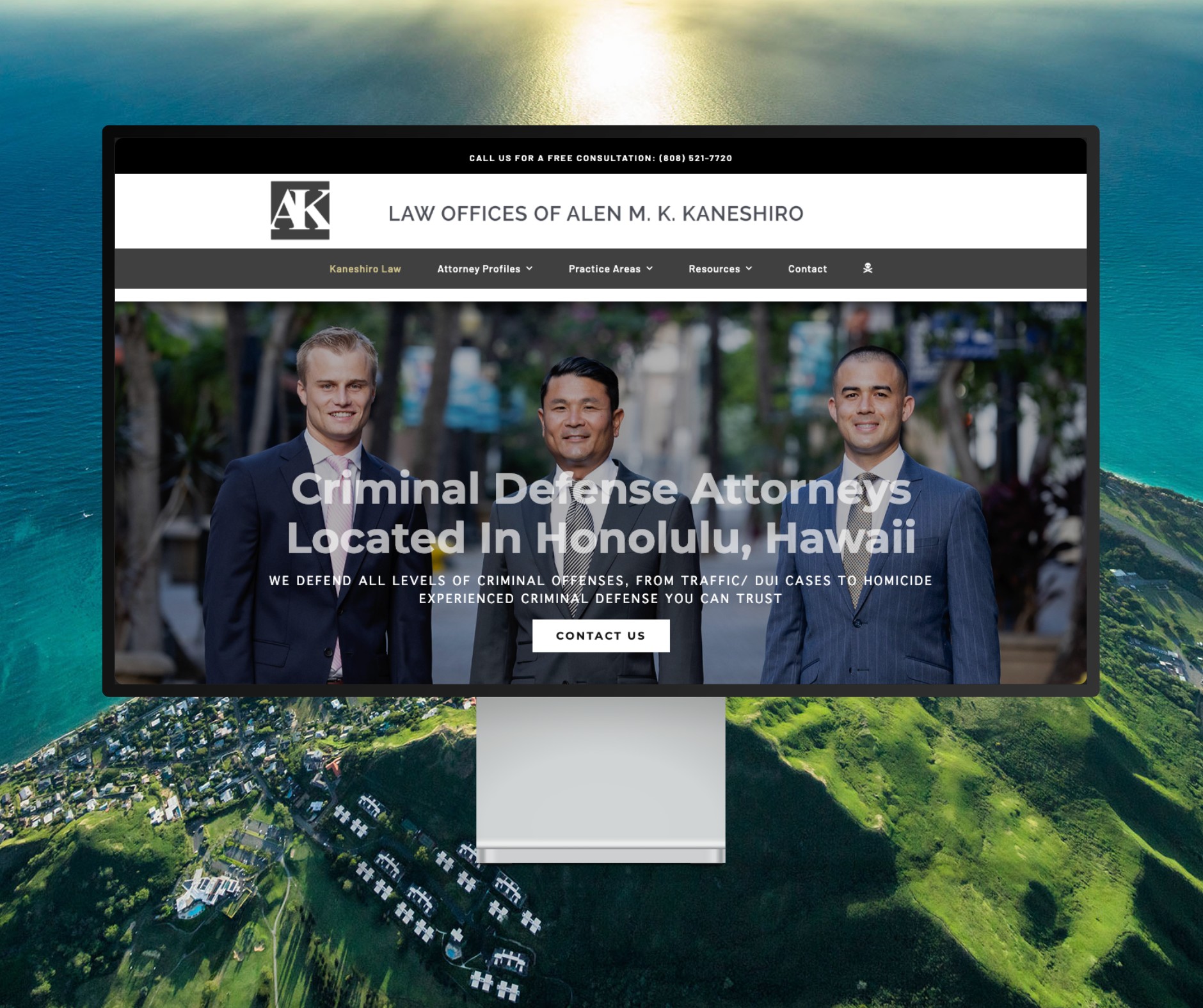
Featured Website: www.kaneshirolaw.com
Kaneshiro Law Firm, one of Hawaii’s most respected legal practices, partnered with The X Digital three years ago for a complete website redesign. Since then, we’ve maintained an ongoing relationship—handling updates, optimizations, and technical support around the clock. Our dedicated team ensures they’re never without assistance, while our enterprise-grade hosting provides 24/7 uptime monitoring and reliability. Kaneshiro Law Firm is one of many long-term clients who trust us to keep their digital presence running flawlessly.