

For many local businesses, the first impression happens before a customer ever calls, visits, or fills out a form. It happens when they see your Google Business Profile, website, social media post, or a photo shared by someone in the community. That is why visual content for local businesses is more than a branding exercise. It helps potential customers understand what you do, decide whether they trust you, and picture themselves buying from you.
A contractor can show the quality of a finished project. A restaurant can make its best dishes look inviting. A senior care provider can introduce the people behind the service. A rental company can show customers exactly what they will receive. In each case, strong visuals answer questions that text alone cannot.
In this guide, we’ll explain how to use photography, video, graphics, and consistent branding to attract local customers. You’ll also learn what to publish first, how to optimize visual assets for search, and how to create a practical system that does not require a full-time marketing team.
Why Visual Content for Local Businesses Has Such a Strong Impact
Local customers are usually evaluating more than price. They want to know whether your business is legitimate, professional, convenient, and a good fit for their needs. Visual content helps make those judgments easier.
Consider the difference between a landscaping company with a generic stock photo and one that shows its own crew, equipment, completed yards, and real customers’ properties. The second company gives prospects evidence. It reduces uncertainty and creates a stronger sense of familiarity before the first conversation.
This is the real impact of visual content: it turns an unfamiliar business into something people can understand quickly. A well-chosen photo can communicate location, quality, atmosphere, process, and personality in a few seconds.
Visuals build trust before the first contact
People want to see the business they are considering. They want to know what the storefront looks like, who will arrive at their home, how clean a facility is, what a rental vehicle looks like, or what a finished project actually looks like in real life.
That does not mean every image needs to be professionally staged. In fact, overly polished or unrealistic visuals can create the wrong expectations. The goal is to present your business honestly and attractively. Clear, current images tend to be more useful than dramatic images that do not reflect the customer experience.
Visual content supports local search
Google says people can discover websites through image results, Google Images, and Discover. Its image SEO best practices recommend using high-quality images, relevant surrounding text, descriptive filenames, and useful alt text.
Visual content does not replace written website content. Search engines still need text to understand your services, locations, and expertise. However, properly optimized images give your business another way to be found and help reinforce the meaning of the page where they appear.
Start With the Visuals Customers Need Most
One of the most common mistakes we see is creating attractive content without considering what customers are trying to learn. A local business does not need hundreds of random photos. It needs a useful visual library that answers practical questions.
Begin with the five categories below:
- Exterior photos: Show the building, entrance, signage, parking, and surrounding area.
- Interior photos: Help customers understand the atmosphere, layout, cleanliness, and accessibility.
- Team photos: Put real faces behind the business and make the experience feel more personal.
- Products or completed work: Demonstrate what you sell or the standard of work customers can expect.
- Process photos and videos: Show how your team works, prepares, installs, cleans, delivers, or supports customers.
Google’s own guidance for Business Profile photos recommends at least three exterior photos, three interior photos, three product or service photos, and three team photos where appropriate. The platform also advises that images should be in focus, well lit, and representative of reality. You can review the recommendations in Google’s business-specific photo guidelines.
Match the content to your industry
The right visual strategy depends on what you sell. A home services company should prioritize before-and-after images, technicians at work, branded vehicles, and finished projects. A restaurant needs food photography, interior atmosphere, staff, menus, and seasonal specials. A professional services firm may benefit more from team portraits, office images, educational videos, and simple graphics that explain complex services.
Tourism and rental businesses should show the actual experience: vehicles, rooms, equipment, meeting points, views, safety features, and the activities customers can expect. Health, wellness, and senior care businesses should focus on warmth, accessibility, staff credentials, facilities, and the details that make people feel comfortable.
Use real images whenever possible
Stock photography can be useful for blog illustrations or broad concepts, but it should not carry the entire identity of a local business. Customers can often recognize generic images, and stock photos rarely prove that your business operates in the community.
Even a modern smartphone can produce effective content when you use good lighting, clean backgrounds, steady framing, and consistent editing. For important brand assets, such as a website refresh or a major campaign, professional local business photography can be a worthwhile investment because the images can be reused across your website, Google profile, social channels, advertisements, and printed materials.
Use Video Marketing for Small Businesses Without Overcomplicating It
Video can feel intimidating, especially when you are already managing staff, customers, inventory, and operations. The good news is that video marketing for small businesses does not require a studio, expensive equipment, or daily publishing.
Short, useful videos often perform better for local businesses than highly produced commercials because they feel immediate and credible. The goal is not to become an entertainment company. The goal is to help people understand your business and take the next step.
Practical video ideas that work locally
- A 20-second introduction from the owner or manager
- A quick tour of your location, showroom, office, or facility
- A before-and-after transformation
- A time-lapse of a service or installation
- A simple answer to a frequently asked customer question
- A demonstration of a popular product or service
- A customer testimonial, with permission
- A behind-the-scenes look at preparation, delivery, or production
Keep the message focused. One video should answer one question or show one experience. Add captions because many people watch without sound, and include a clear next step such as calling, booking, visiting, or requesting an estimate.
Publish video where customers already look
Repurpose each video instead of treating every platform as a separate production project. A single recording can become a Google Business Profile update, a website FAQ video, a short social media clip, an email segment, and a longer educational post.
Google’s Business Profile documentation allows videos up to 30 seconds and recommends at least 720p resolution. Its guidelines also explain that photos and videos may take time to appear after review. You can check the current requirements in Google’s photo and video management guidance.
For your website, place videos near relevant written content rather than hiding them on a page with no context. A video showing a roof inspection belongs on a roofing service page. A video tour belongs on a location or facility page. This makes the asset more useful to visitors and easier for search engines to interpret.
Build Branding Through Visual Content
Branding through visual content is not just about using the same logo and colors. It is about creating a recognizable feeling across every place customers encounter your business.
For example, a premium home remodeling company might use bright natural light, detailed close-ups, clean layouts, and calm, confident captions. A family-owned restaurant may use warmer colors, candid staff photos, and images that emphasize community. A local adventure company may use movement, outdoor scenery, customer reactions, and bold calls to action.
Your visual style should support your position in the market. If your website feels modern but your Google profile contains outdated phone photos, the customer experience becomes inconsistent. If your advertising promises personal service but every image is a generic stock photo, the message feels less believable.
Create a simple visual identity system
You do not need a 50-page brand manual. Start with a few decisions:
- Choose two or three brand colors for graphics and calls to action.
- Use one consistent style for image cropping and editing.
- Decide whether your photos should feel candid, polished, bold, warm, or minimal.
- Use the same logo treatment and business name across platforms.
- Choose a repeatable tone for captions and video introductions.
Consistency helps customers recognize you, but consistency should not mean repetition. Keep the same visual foundation while showing different people, projects, products, seasons, and customer experiences.
Make every image useful
When uploading images to your website, use descriptive filenames instead of generic names such as “IMG_2048.jpg.” Add accurate alt text for accessibility, and place the image near related text. Google specifically recommends descriptive alt text and warns against stuffing keywords into image descriptions. Its SEO Starter Guide explains how surrounding text and image descriptions help search engines understand visual content.
Also pay attention to speed. Large, uncompressed images can slow down a WordPress website, especially on mobile connections. Resize images before uploading, use modern formats such as WebP when appropriate, and make sure your hosting and caching setup can handle media efficiently. A beautiful website that loads slowly can undermine the customer experience it was designed to improve.
Turn Visuals Into Customer Engagement Strategies
Publishing a photo is not the same as creating engagement. The strongest customer engagement strategies give people a reason to respond, ask a question, share a post, or take action.
Instead of posting “We’re open today,” show the team preparing for the day and ask, “What service are you planning this week?” Instead of showing a completed project without context, explain the customer’s original problem and the result. Instead of posting a product photo alone, answer the question customers most often ask before buying it.
Use visual content to start conversations around:
- Common customer questions
- Seasonal maintenance or preparation
- New services and products
- Local events and community involvement
- Customer stories and milestones
- Behind-the-scenes decisions that show your standards
Ask for permission before publishing customer images, testimonials, or identifiable project details. Be especially careful with children, health-related services, private homes, and sensitive customer situations. Authenticity matters, but respect and privacy matter more.
Finally, measure results that connect to the business. Track profile actions, website visits, calls, direction requests, form submissions, bookings, and sales. Likes and views can provide useful signals, but they are not the final goal. A modestly viewed video that generates three qualified inquiries may be more valuable than a widely viewed clip that reaches the wrong audience.
Conclusion: Make Your Business Easier to Trust
Visual content for local businesses works best when it is honest, useful, and connected to the customer journey. You do not need to publish constantly or chase every trend. Start by showing the places, people, products, and processes customers want to understand before they contact you.
Update your Google Business Profile, build a small library of real photos, record short videos that answer common questions, and use a consistent visual style across your website and marketing channels. Then watch which assets lead to calls, visits, bookings, and sales.
At The X Digital, we help local businesses combine photography, video, branding, SEO, web development, and conversion strategy into one practical system. The best visual content is not simply attractive. It makes the right customer feel more confident about choosing you.
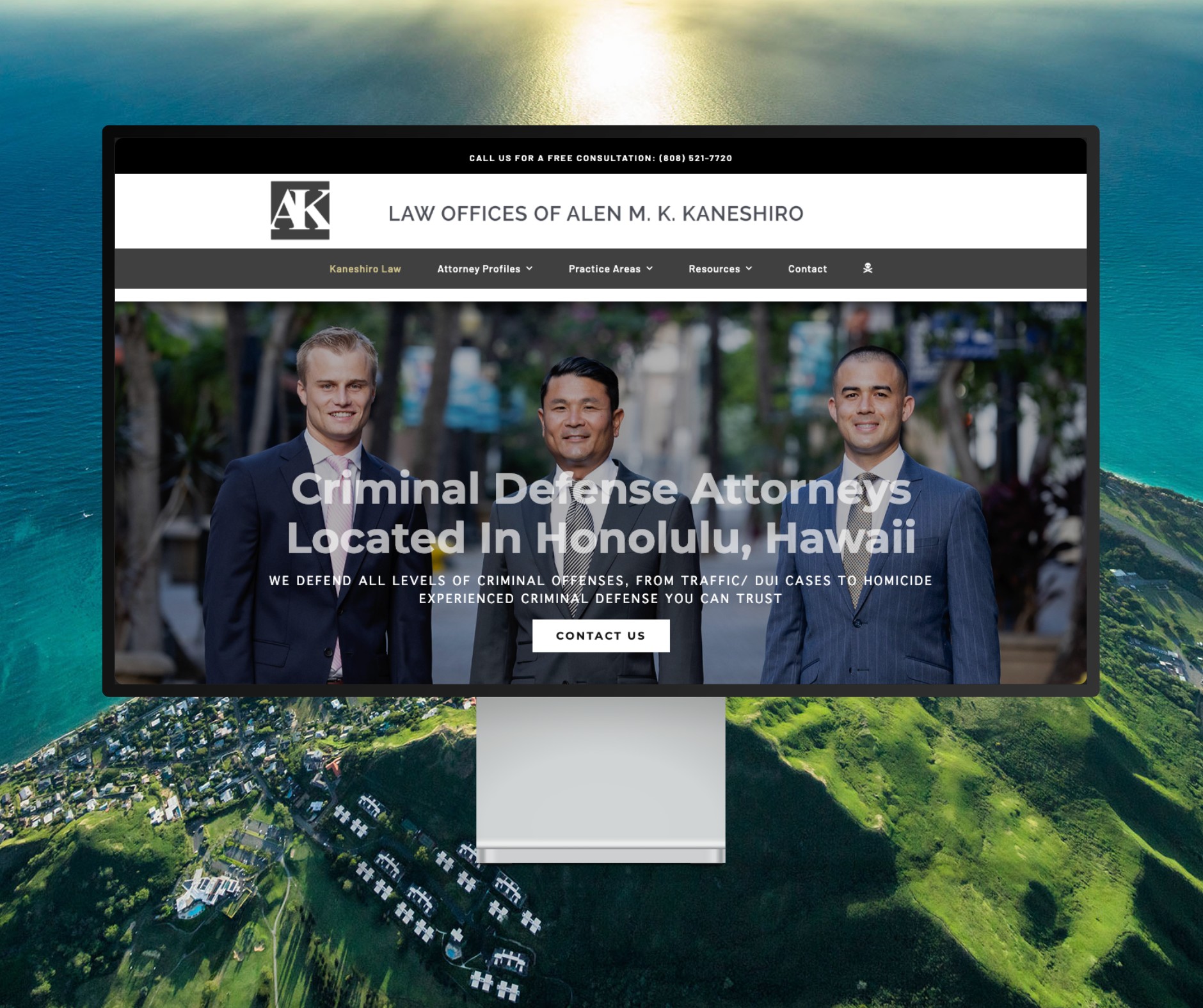
Featured Website: www.kaneshirolaw.com
Kaneshiro Law Firm, one of Hawaii’s most respected legal practices, partnered with The X Digital three years ago for a complete website redesign. Since then, we’ve maintained an ongoing relationship—handling updates, optimizations, and technical support around the clock. Our dedicated team ensures they’re never without assistance, while our enterprise-grade hosting provides 24/7 uptime monitoring and reliability. Kaneshiro Law Firm is one of many long-term clients who trust us to keep their digital presence running flawlessly.