
Hiring a web designer is a major decision when your website generates leads, bookings, or sales. The wrong partner can leave you with a slow website, missing passwords, unclear ownership, and expensive repairs. The right one builds a reliable business asset that supports your growth long after launch. Before hiring a web designer, ask direct questions about experience, process, pricing, ownership, and ongoing support. Copyright matters, too. If you do not clarify who owns the website content, images, code, and design, you could face problems when you change providers later. This guide explains the questions to ask a web designer, the warning signs to watch for, and how to hire a web developer or designer with confidence.
Questions to Ask a Web Designer About Copyright and Ownership
Start with ownership before discussing colors, layouts, or animations. Your website represents your business, so you need control of the essential assets. Ask the designer to explain ownership in plain English and put the answer in your contract.
Who owns the website after final payment?
Confirm that you will own your domain, website content, customer data, design, and custom development after you pay the agreed amount. Also ask whether you will receive administrator access to WordPress, Shopify, WooCommerce, hosting, analytics, and email tools.
Copyright terms should cover more than the visible pages. Clarify who owns written copy, photographs, logos, illustrations, videos, custom code, and design files. Stock photos, fonts, plugins, and software may come with separate licenses. A responsible professional will explain those limits instead of treating ownership as an afterthought.
Can I move the site if we stop working together?
You should be able to move your website to another provider if the relationship ends. Ask whether the designer uses standard platforms and whether they will provide a complete backup. Be cautious if they host your site on a private system that nobody else can access or maintain.
Some designers retain control of the domain or lock clients into proprietary software. That arrangement may seem convenient at first, but it creates risk later. You should never lose your business identity because of a disagreement over a monthly bill.
Questions That Reveal Web Design Red Flags
The best way to spot web design red flags is to ask how the person handles uncertainty, delays, and measurable results. Listen for specific answers. Vague promises often create vague outcomes.
- Can you show examples for businesses similar to mine?
- What did you personally do on those projects?
- Who writes the content and supplies the images?
- How many revisions are included?
- What happens when the project falls behind?
- How will you test mobile performance, forms, security, and speed?
Be wary of anyone who guarantees the number-one Google ranking. No designer controls Google’s algorithm, your competitors, or how searchers behave. A good team can build a strong SEO foundation, but rankings require relevant content, technical work, authority, and time.
Another warning sign involves pricing. An unusually low quote may exclude basic tasks such as content entry, redirects, mobile testing, analytics, accessibility improvements, or post-launch fixes. Ask for an itemized proposal that separates one-time development from recurring hosting, maintenance, software, and marketing costs.
Watch the communication process, too. If a prospective partner ignores your questions, uses confusing jargon, or pressures you to sign immediately, the experience rarely improves after payment. A professional should make the decision clearer, not more stressful.
How to Evaluate the Process, Timeline, and Support
Choosing a web designer is not only about reviewing a portfolio. A beautiful site can still fail if it does not reflect your customers, support your goals, or convert visitors into action. Ask the designer to walk you through the project from discovery to launch.
What happens before design begins?
A sound process starts with questions about your business, customers, competitors, services, and goals. The designer should understand whether you need phone calls, quote requests, appointments, online purchases, or something else. That information shapes the page structure and calls to action.
Ask who handles strategy, copywriting, photography, branding, search optimization, and product uploads. If you must provide everything, understand the workload before you approve the quote. Missing content often causes more delays than the technical build.
What happens after launch?
Websites need updates. WordPress plugins require maintenance, security issues need monitoring, and business information changes over time. Ask whether the designer offers hosting, backups, malware protection, software updates, and support. Also ask how quickly they respond when something breaks.
At The X Digital, we host many of the websites we build because performance, security, and uptime matter after launch. Hosting is not a substitute for good design, but it helps ensure the finished site remains a dependable business tool.
Request a realistic timeline with milestones. A typical project may include planning, content preparation, design approval, development, testing, revisions, and launch. The fastest promise is not always the best promise. A rushed site can create months of cleanup.
How to Choose the Right Web Designer for Your Business
The right partner understands both design and business outcomes. Review the portfolio, but ask what improved for each client. Did the site generate more qualified inquiries, simplify bookings, increase sales, or make the business easier to find locally?
Look for relevant experience rather than an identical industry list. A designer who understands conversion-focused websites can adapt to a contractor, rental company, healthcare provider, or online store. More important, they should explain why each recommendation fits your customers.
Before signing, compare proposals using the same checklist:
- Project goals, deliverables, and exclusions
- Timeline, milestones, and approval responsibilities
- Payment schedule and revision limits
- Ownership, copyright, licenses, and account access
- Hosting, maintenance, security, and support terms
- Expected SEO, analytics, and conversion setup
For example, a local contractor may need prominent service pages, click-to-call buttons, location signals, reviews, and a short quote form. An e-commerce brand may need product filters, payment integrations, shipping rules, abandoned-cart tools, and a smooth mobile checkout. The best recommendation depends on how your customers buy.
Finally, trust your experience during the sales process. You do not need the cheapest provider or the largest agency. You need a capable partner who communicates clearly, protects your access, and remains useful when the project becomes more complicated than expected.
Ask Better Questions Before You Sign
Hiring a web designer becomes safer when you treat the conversation as due diligence, not a sales presentation. Ask who owns the work, what the project includes, how success will be measured, and what support continues after launch. Then review every answer in writing.
If you are unsure whether your current site needs a redesign, repairs, better hosting, or a clearer conversion strategy, start with an honest assessment. At The X Digital, we help business owners make practical decisions based on their goals and budget. Contact our team to discuss what your website needs now—and what it can safely wait to do later.
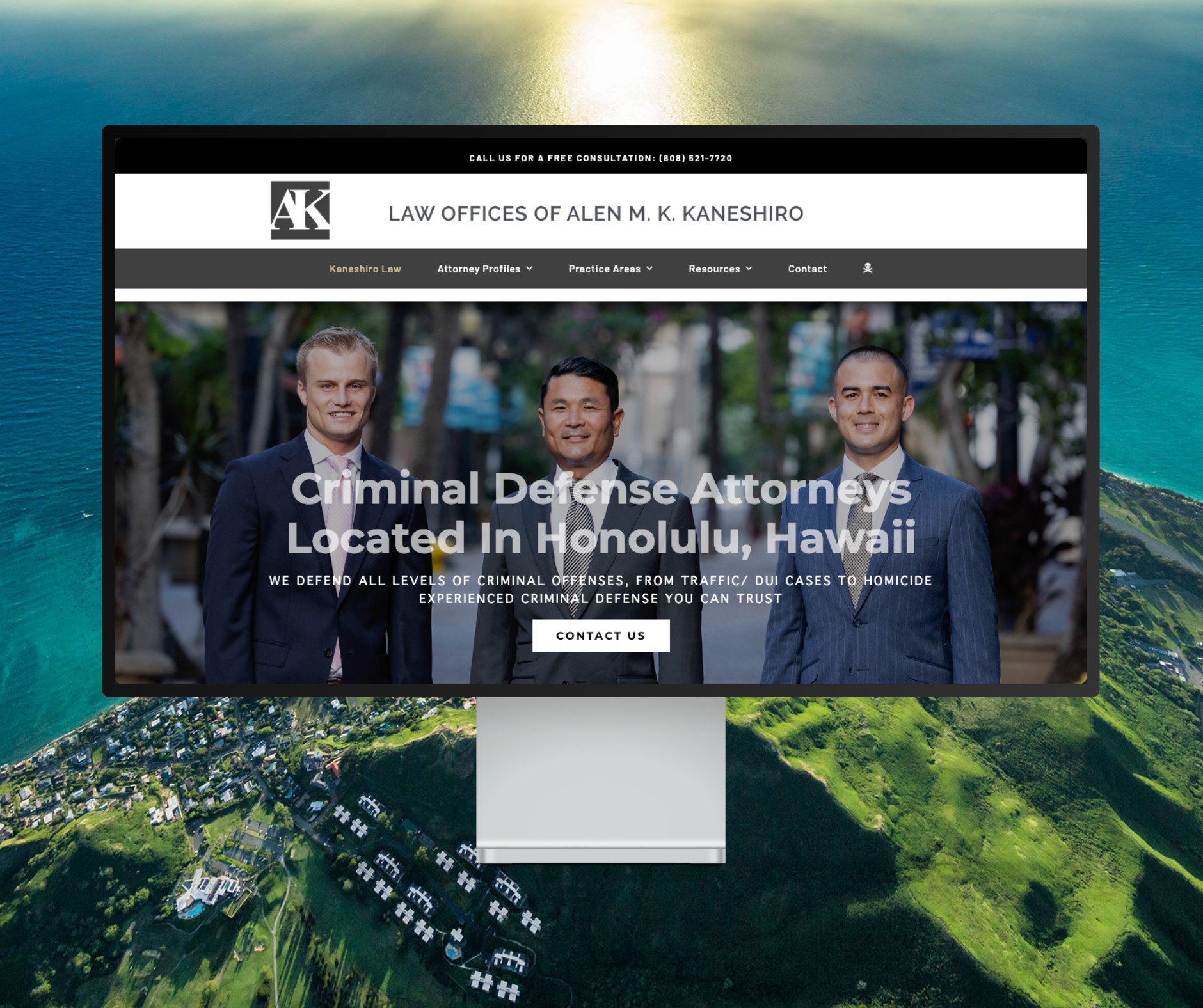
Featured Website: www.kaneshirolaw.com
Kaneshiro Law Firm, one of Hawaii’s most respected legal practices, partnered with The X Digital three years ago for a complete website redesign. Since then, we’ve maintained an ongoing relationship—handling updates, optimizations, and technical support around the clock. Our dedicated team ensures they’re never without assistance, while our enterprise-grade hosting provides 24/7 uptime monitoring and reliability. Kaneshiro Law Firm is one of many long-term clients who trust us to keep their digital presence running flawlessly.