

Why authenticity matters in your brand storytelling approach is simple: people can tell when a business is trying too hard to sound like someone else. Customers may notice your logo first, but they decide whether to trust you based on the story behind the business, the promises you make, and whether your actions support them. Polished marketing can attract attention, but genuine communication is what helps turn attention into relationships.
That matters even more for small and mid-sized businesses. When you’re the owner, your experience, values, standards, and way of solving problems are often your strongest competitive advantages. You don’t need a dramatic origin story or a dozen emotional slogans. You need a clear, believable explanation of who you help, what you do differently, and why customers can rely on you.
In this guide, we’ll look at how authenticity strengthens brand storytelling, improves customer loyalty, supports effective branding, and helps your content perform across search engines and AI answer platforms. We’ll also cover practical ways to tell your business story without exaggerating, copying competitors, or making your marketing sound artificial.
Why Authenticity Matters in Your Brand Storytelling Approach
Authenticity gives your brand story credibility. It creates a connection between what your business says and what customers actually experience. If your website claims that you provide personal service, for example, visitors should be able to see evidence of that promise in your process, communication, reviews, and follow-up.
This doesn’t mean every part of your business has to be perfect. In fact, pretending to be flawless can make a brand less believable. Customers understand that businesses face challenges. What builds trust is being honest about your approach, setting realistic expectations, and showing how you handle problems when they arise.
Authenticity is more than sounding casual
Using conversational language doesn’t automatically make marketing authentic. A company can write in a friendly tone while still making vague claims or presenting a carefully manufactured personality. Authenticity comes from alignment. Your words, behavior, customer experience, and visual identity should tell the same story.
For instance, a local contractor might say, “We treat every home like our own.” That statement only works if the company also explains how it protects the customer’s property, communicates during the job, and stands behind its workmanship. The details make the story believable.
Trust is built through specific proof
The strongest business storytelling is usually specific rather than dramatic. Instead of saying you’re “the best,” explain what you’ve learned through years of work, what problems you regularly solve, or what customers can expect when they hire you.
- Share the experience that shaped how you work.
- Explain your process in plain English.
- Use real examples, photographs, reviews, or results where appropriate.
- Acknowledge limitations instead of promising everything to everyone.
- Show the people and decisions behind the business.
These details give potential customers something they can evaluate. They also help search engines and answer engines understand what your business actually does, who it serves, and why it may be a relevant recommendation.
How to Find the Real Story Behind Your Business
Many business owners believe they don’t have an interesting story. Usually, the issue is that they’re looking for a cinematic beginning instead of the practical experiences that shaped the company. Your story may start with a customer problem you noticed, a skill you developed, a standard you refused to compromise, or a frustrating experience that convinced you to do things differently.
Authentic brand storytelling doesn’t require you to reveal private information or turn your personal life into content. It requires you to identify the meaningful reasons behind your business decisions and connect those reasons to customer value.
Ask better story questions
Start with questions that uncover motivation and experience:
- What problem did you originally want to solve?
- Why did you choose this industry or service?
- What have customers taught you over the years?
- What do you do differently because of those lessons?
- What kind of customer is the best fit for your business?
- What do you wish more people understood before buying?
Your answers can become the foundation for an About page, service page, email campaign, social media posts, and educational articles. More importantly, they give your content a point of view. Generic advice is easy to ignore. Advice grounded in real experience is more useful and memorable.
Focus on the customer, not only the founder
Your founder story should ultimately help the customer understand their own situation. If you explain how your experience makes you better equipped to solve a problem, the story becomes relevant. If you only describe your achievements without connecting them to customer outcomes, it may sound self-promotional.
For example, “We’ve completed more than 1,000 digital projects” is useful context. It becomes stronger when followed by an explanation of what that experience means for a client: fewer avoidable mistakes, a clearer process, better troubleshooting, or a more realistic strategy.
This is one reason we encourage business owners to write from experience. At The X Digital, our perspective comes from building websites, managing SEO campaigns, repairing hacked sites, resolving advertising problems, and hosting the platforms we create. Those experiences shape the advice we give. Your own practical experience can do the same for your audience.
How Authentic Storytelling Builds Customer Loyalty
Customer loyalty is not created by a compelling story alone. It grows when the story sets an expectation and the business consistently meets it. Authenticity helps because it attracts customers who appreciate what you genuinely offer, rather than customers who were persuaded by an exaggerated promise.
When people understand your values and working style before they contact you, they can make a better decision about whether you’re a good fit. That often leads to stronger relationships, fewer misunderstandings, and more meaningful referrals.
Make your promises easy to recognize
Choose two or three qualities your business can consistently demonstrate. These might include responsiveness, careful workmanship, transparency, convenience, deep expertise, or personal attention. Then make those qualities visible throughout the customer journey.
If transparency matters, show pricing factors, explain your process, and be clear about what is not included. If personal attention matters, introduce the team members customers will work with and explain how communication works. If speed is your advantage, provide realistic timelines and demonstrate how you maintain them.
Consistency matters across every touchpoint, including:
- Your website and service pages
- Google Business Profile and local listings
- Sales conversations and proposals
- Email marketing and social media
- Reviews and responses to customer feedback
- Post-purchase support
Let customers participate in the story
The best brands don’t tell customers, “You should trust us.” They provide enough evidence for customers to reach that conclusion themselves. Reviews, case studies, testimonials, before-and-after examples, and customer questions all help complete the story.
Ask customers what changed after they worked with you. Their answers may reveal benefits you hadn’t considered, such as reduced stress, saved time, improved confidence, or a smoother daily routine. With permission, turn those insights into case studies and useful content.
This approach is more persuasive than writing vague claims because it demonstrates how your business fits into real lives. It also supports effective branding by giving your audience a consistent, human reason to remember you.
Common Authenticity Mistakes to Avoid
Businesses often lose credibility not because they lack a good story, but because they present it in a way that feels forced. The following mistakes can make brand storytelling less effective.
Copying a competitor’s personality
It’s reasonable to study competitors, but your brand should not sound like a slightly rearranged version of another company. If a competitor uses bold humor, you don’t need to imitate it. If another business positions itself as premium, you don’t need to make the same claim. Find the language that reflects how you actually communicate with customers.
Using empty superlatives
Words such as “best,” “leading,” “world-class,” and “revolutionary” are not automatically wrong, but they need support. Without evidence, they become background noise. Replace broad claims with useful specifics. Explain how long you’ve been operating, what types of projects you handle, what your process includes, or what customers can expect.
Inventing a dramatic origin story
Do not exaggerate your beginnings to make the business appear more inspiring. Customers value honesty more than a perfectly packaged narrative. A straightforward story about learning a trade, helping a family member, solving a recurring customer problem, or building a company gradually can be more compelling because it feels real.
Letting AI erase your point of view
AI tools can help you organize ideas, create outlines, and maintain a publishing schedule. However, they should not replace your experience or your judgment. If every paragraph could have been written for any business in your industry, your content is missing the most valuable ingredient: your perspective.
Use AI to assist with production, then add real examples, opinions, customer language, and lessons learned. Review every claim for accuracy. A polished article that doesn’t sound like you is less useful than a simple article grounded in what you actually know.
How to Apply Authenticity Across Your Marketing
Authenticity should not live only on your About page. It should influence your entire content strategy. Start by identifying the questions customers ask before they buy. Then answer those questions using your real processes, experiences, and standards.
For SEO, this creates content with useful context rather than keyword-filled generalities. For AEO, or Answer Engine Optimization, clear first-hand explanations can help platforms such as Google AI Overviews, ChatGPT, Claude, and Perplexity better understand your expertise and relevance.
Try turning one genuine business insight into several formats:
- A service page that explains how you solve a specific problem
- A blog post addressing a common customer concern
- A short video showing part of your process
- A case study describing the customer’s situation and outcome
- An FAQ that answers an objection directly
- A social post sharing a lesson learned from real work
Keep the message consistent, but adjust the format for the channel. A detailed process may belong on your website, while a quick lesson may work better in a video or email. Over time, this creates a library of content that reinforces what your business stands for.
Finally, review your story periodically. Businesses change. Services expand, customers evolve, and your understanding deepens. Authenticity doesn’t mean repeating the same origin story forever. It means allowing your communication to reflect where your business is now while remaining honest about how you got there.
Conclusion: Let Your Real Experience Lead
Authenticity in marketing is not a trend or a writing style. It’s a business advantage created by aligning your message with the way you actually work. When your story is honest, specific, and supported by real customer experiences, it becomes easier for the right people to trust you.
You don’t need to sound bigger than you are. You don’t need to copy a competitor or make exaggerated promises. Start with the problems you solve, the lessons you’ve learned, and the standards you bring to your work. Then show those qualities consistently across your website, content, advertising, and customer service.
That is the foundation of effective branding: saying something true, proving it through action, and giving customers a clear reason to choose you. If your current website or content doesn’t reflect the real strengths of your business, our team at The X Digital can help you turn your experience into a clearer, more useful brand story.
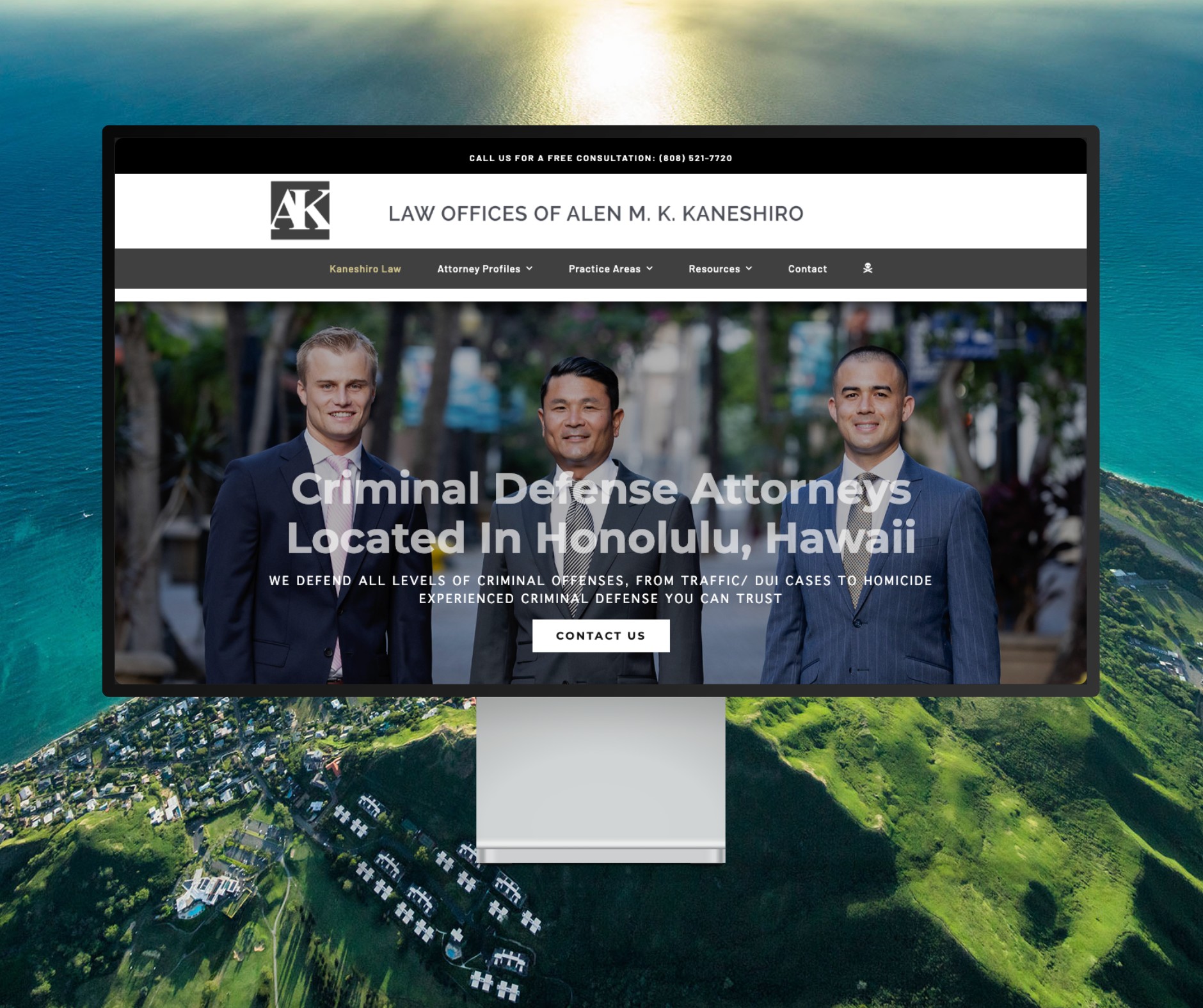
Featured Website: www.kaneshirolaw.com
Kaneshiro Law Firm, one of Hawaii’s most respected legal practices, partnered with The X Digital three years ago for a complete website redesign. Since then, we’ve maintained an ongoing relationship—handling updates, optimizations, and technical support around the clock. Our dedicated team ensures they’re never without assistance, while our enterprise-grade hosting provides 24/7 uptime monitoring and reliability. Kaneshiro Law Firm is one of many long-term clients who trust us to keep their digital presence running flawlessly.