

Choosing a content management system (CMS) is one of the most consequential decisions you’ll make for your website. It affects how fast your site loads, how easily your team can publish content, what you’ll pay each month, and whether you can grow without rebuilding from scratch.
The stakes are real: approximately 70% of businesses report that their website directly impacts revenue growth, and around 43% of all websites globally run on a CMS-powered platform. Yet most business owners approach this decision without a clear framework—they pick what they’ve heard of, or what their developer recommends, without understanding their own needs first.
This guide walks you through how to choose a CMS that aligns with your business goals, scales with your growth, and doesn’t waste your money. Whether you’re launching your first website or migrating from a platform that’s holding you back, you’ll know exactly what to evaluate and what questions to ask.
Understand Your Business Requirements First
Before you compare platforms, you need to know what your business actually requires. This isn’t about features—it’s about constraints and goals.
Content Volume, Type, and Complexity
Start by looking at what you’re publishing. Are you posting a few service pages and a blog, or are you managing thousands of product listings, high-resolution images, videos, and downloadable PDFs? If you’re running an e-commerce store with hundreds of SKUs, you need a CMS with robust media management and inventory integration. If you’re a local service business with a simple site, you can get away with something lighter.
Large files and complex content structures require a powerful CMS with strong media management features. Small businesses with straightforward websites don’t need that overhead.
Who Will Manage Your Content?
This matters more than most people realize. Will your marketing team publish blog posts without developer help? Will you need approval workflows? Will multiple people be editing the same content? Understanding your user roles and workflow needs lets you choose a CMS that supports collaboration effectively.
A user-friendly platform with a WYSIWYG (What You See Is What You Get) editor lets non-technical team members work independently. A more complex system might require developer involvement for every change, which slows you down and costs money.
Integration and System Compatibility
Your CMS doesn’t live in a vacuum. You likely use a CRM, email marketing platform, analytics tools, or accounting software. Determine essential integrations with CRMs, eCommerce, ERP, or analytical tools—compatibility with existing systems reduces disruptions and lowers implementation costs.
Ask: Can this CMS connect to HubSpot, Zapier, or Shopify? Does it have an API for custom integrations? If you need to sync data between systems, you need a CMS that plays well with others.
Budget and Total Cost of Ownership
Don’t just look at the monthly license fee. Factor in hosting, development time, maintenance, premium plugins or themes, and ongoing support. A “cheap” CMS can become expensive fast if you’re paying for custom development or premium add-ons.
Be realistic about what you’ll actually spend over the next two to three years. This helps you compare apples to apples.
Traditional CMS vs. Headless: Know the Difference
Most businesses choose between a traditional CMS and a headless CMS. Understanding the trade-off is essential.
Traditional CMS (WordPress, HubSpot Content Hub)
A traditional CMS bundles content creation and presentation together. Your team manages content in one place, and the platform handles displaying it on your website. WordPress is the most common example—it’s user-friendly, affordable, and works well for most small and mid-sized businesses.
If you build and host your site on WordPress.com, you can get a basic level of shared hosting for free, though a custom domain requires at least the Personal plan at $4 per month. WordPress is also open-source, meaning thousands of free and paid plugins extend its functionality.
The trade-off: traditional systems are easier for non-technical users but harder to customize deeply and less flexible if you want to publish content across multiple channels (website, mobile app, digital screens, etc.).
Headless CMS (Contentful, Hygraph, Arc XP)
Headless systems are highly customizable and excellent for omnichannel delivery, but they require technical expertise to set up and maintain. They’re typically more expensive and better suited to larger enterprises or businesses with complex content distribution needs.
Which One Is Right for You?
Choose a traditional CMS if you want simplicity, faster time-to-launch, and lower upfront costs. Choose headless if you need to publish across multiple platforms, want complete design freedom, or have complex technical requirements. Most small and mid-sized businesses thrive with a traditional CMS like WordPress.
Key Features to Evaluate in Any CMS
Regardless of which type you’re considering, evaluate these features side by side:
- Ease of Use: Can non-technical team members create and publish content without calling a developer? Look for drag-and-drop editors and intuitive dashboards.
- Scalability and Performance: A scalable CMS manages increased traffic, content volume, and information without compromising website speed. Test how the platform handles growth.
- Security: Prioritize platforms with robust security features, regular updates, data backups, and built-in firewalls. This is non-negotiable if you handle customer data or payments.
- SEO Capabilities: A well-optimized CMS improves page speed and responsiveness, which boosts search engine visibility. Look for built-in SEO recommendations, meta tag editing, and clean URL structures.
- Integration and API Support: Make sure the CMS connects to your existing tools via APIs or pre-built integrations.
- Flexibility and Customization: Can you modify the design and functionality without being locked into rigid templates? Can you add custom code if needed?
- Support and Documentation: Is there an active community, good documentation, and responsive support when you get stuck?
Popular CMS Options and When to Use Them
WordPress: The most popular CMS globally. Best for small to mid-sized businesses, blogs, service businesses, and e-commerce sites (with WooCommerce). Low cost, massive ecosystem of themes and plugins, huge community support. Requires some technical knowledge or a developer for advanced customization.
HubSpot Content Hub: Cost ranges from $20–$1,500 per month and includes a drag-and-drop editor, customizable themes, dynamic content options, SEO recommendations, A/B testing, conversational bots, and AI features like HubSpot AI and AI blog writer. Best for businesses that want an all-in-one platform with marketing automation, CRM, and hosting bundled together. Higher cost but less setup and maintenance.
Headless Options (Contentful, Hygraph, Arc XP): Small businesses might benefit from scalable options like Contentful or Hygraph with free or affordable plans, while large enterprises may require robust features and support offered by Arc XP, dotCMS, or Magnolia. Best for complex, multi-channel content distribution or custom digital experiences.
The Decision Framework
Here’s a simple way to narrow down your choice:
- Map your requirements. List your content volume, team size, budget, and integration needs.
- Choose your type. Do you need traditional simplicity or headless flexibility?
- Evaluate features. Score each platform on ease of use, security, scalability, and SEO.
- Calculate total cost. Include hosting, plugins, themes, development, and support—not just the license fee.
- Test before committing. Most CMS platforms offer free trials or freemium versions. Spend a few hours with each one.
- Plan for migration. If you’re switching from another platform, factor in migration time and costs.
Conclusion
The right CMS isn’t the most feature-rich or the cheapest—it’s the one that matches your business needs, scales with your growth, and empowers your team to work independently. Most small and mid-sized businesses thrive on WordPress or HubSpot Content Hub because these platforms balance ease of use, cost, and flexibility.
Take time to understand your requirements before you choose. Talk to your team about who’ll manage content. Calculate your real budget. And if you’re not sure, test a platform before committing. The cost of choosing wrong—rebuilding your site, migrating content, retraining your team—is far higher than the cost of choosing thoughtfully the first time.
If you need help evaluating platforms or migrating to a new CMS, our team has done this hundreds of times. We’re happy to walk through your specific situation and recommend what actually makes sense for your business.
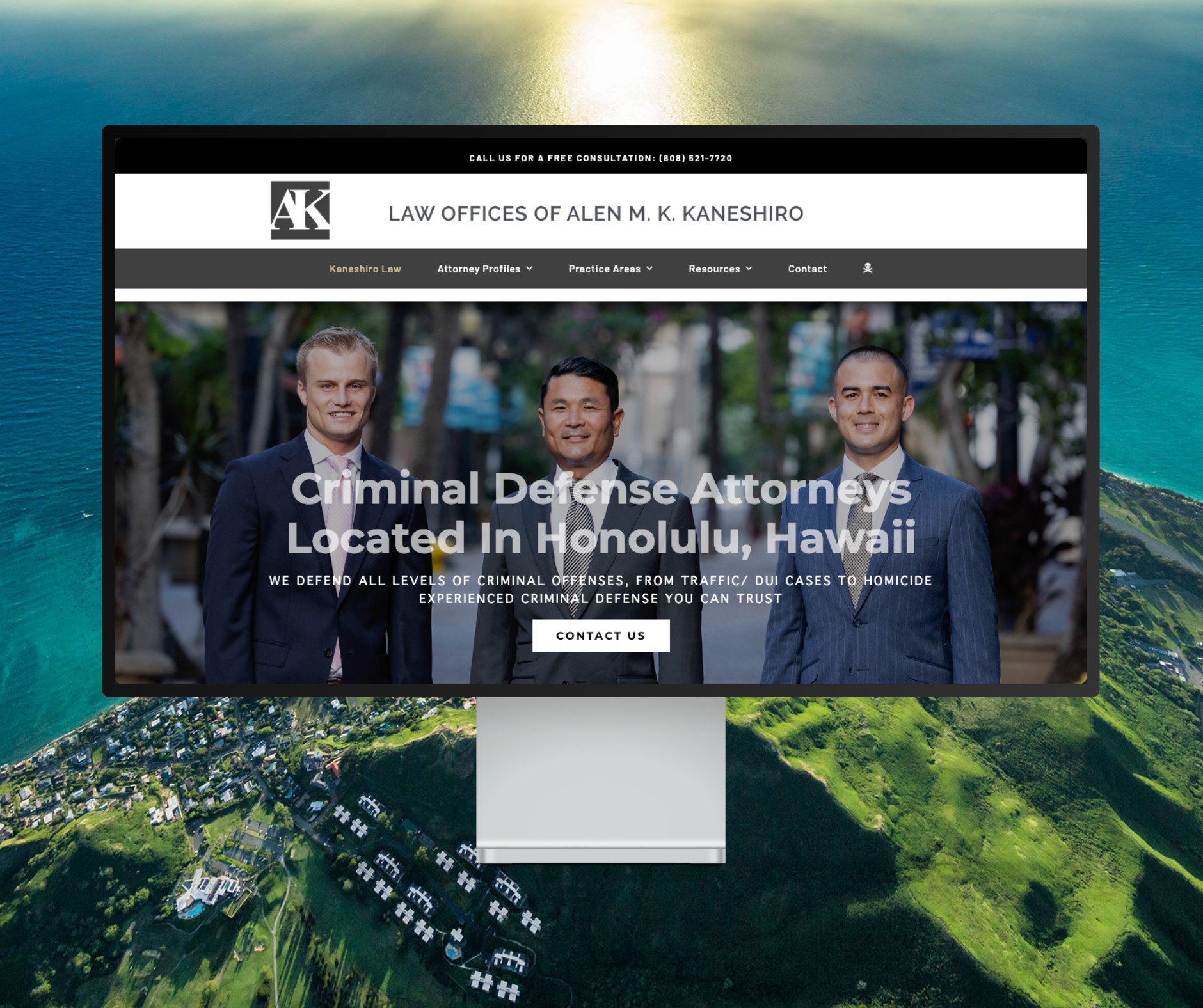
Featured Website: www.kaneshirolaw.com
Kaneshiro Law Firm, one of Hawaii’s most respected legal practices, partnered with The X Digital three years ago for a complete website redesign. Since then, we’ve maintained an ongoing relationship—handling updates, optimizations, and technical support around the clock. Our dedicated team ensures they’re never without assistance, while our enterprise-grade hosting provides 24/7 uptime monitoring and reliability. Kaneshiro Law Firm is one of many long-term clients who trust us to keep their digital presence running flawlessly.