

You’ve invested in a website, your contact form is live, and visitors are landing on your pages — but the form sits empty. No inquiries. No leads. Just silence. It’s one of the most frustrating problems we see with small business websites, and after building and optimizing contact forms for 20+ years across more than 1,000 projects, we can tell you it’s almost never about traffic. It’s about friction. The good news? Most contact form problems come down to five fixable issues, and addressing them can dramatically improve your website lead generation without spending a dollar on ads.
In this article, we’ll walk through exactly why contact forms fail and the five fixes that actually move the needle on contact form optimization and conversion rate optimization.
Why Contact Forms Fail: The Real Problem
Before we dive into solutions, let’s be clear about what’s happening. When visitors land on your site and don’t fill out your contact form, it’s rarely because they’re not interested. More often, one of these silent conversion killers is at work:
- The form asks for too much too soon. Every additional field is a decision point and a reason to abandon.
- It’s buried or hard to find. If visitors have to hunt for how to contact you, most won’t bother.
- It looks untrustworthy. Generic forms, missing privacy reassurance, or a sketchy-looking site design all trigger hesitation.
- It’s broken or slow. If the form doesn’t load, throws an error, or takes forever to submit, the lead is gone.
- There’s no clear reason to fill it out. Visitors need to know what happens next and why it’s worth their time.
The common thread? Friction. Every unnecessary click, field, or moment of uncertainty costs you leads. Let’s fix that.
Fix #1: Cut Your Form Fields in Half
This is the fastest, highest-impact change you can make. In our experience managing hundreds of websites, the single biggest contact form mistake is asking for too much information upfront. Every field you add reduces your completion rate.
What to Keep
For most small business contact forms, you need exactly three fields: name, email, and message. That’s it. If you’re a service business and phone contact matters, add phone as an optional fourth field — but make it optional. You can gather project details, budget, timeline, and preferences after the initial inquiry. Your goal right now is to lower the barrier to that first conversation.
What to Cut
Remove company name, address, dropdown menus for “how did you hear about us,” and any field that isn’t absolutely necessary to respond to the inquiry. Yes, that data might be nice to have for your CRM, but it’s costing you leads. We’ve seen conversion rates double simply by removing two or three unnecessary fields.
Fix #2: Make Your Contact Form Impossible to Miss
If visitors have to scroll to the footer, click through to a separate “Contact” page, or hunt through your navigation to find your form, you’re losing leads. Contact form optimization starts with visibility.
Put It Where People Look
Place a contact form or clear contact button in your site’s header, above the fold on your homepage, and at the end of every service page. For service businesses especially, the end of a service description is the moment of highest intent — that’s where the form needs to be.
Use a Sticky Contact Button
A floating contact button that stays visible as visitors scroll can increase inquiries significantly. It’s not intrusive if done right, and it removes the friction of scrolling back up or hunting for a link. We implement these on most client sites now, and they consistently perform.
Fix #3: Build Trust Right Next to the Form
A contact form is a trust decision. Visitors are giving you their information and expecting a response. If your site doesn’t feel trustworthy, they won’t take that risk — especially if they’ve never heard of you before.
Add Trust Signals
Place these elements near your contact form to reduce hesitation:
- Privacy reassurance: A one-sentence note like “We respect your privacy and will never share your information” goes a long way.
- Response time expectation: Tell them when they’ll hear back. “We respond within 24 hours” or “You’ll hear from us by end of business today” removes uncertainty.
- Real photos: If possible, show a photo of the person or team who will respond. Faces build trust.
- Testimonials or reviews: A short testimonial near the form reminds visitors that real people have worked with you and been happy.
These small additions address the subconscious question every visitor has: “Is this legit, and will anyone actually respond?”
Fix #4: Test Your Form (Because It Might Be Broken)
This sounds obvious, but we’ve inherited dozens of websites where the contact form was either broken, sending to an old email address, or landing in spam — and the business owner had no idea. You can have the most optimized, beautifully designed form in the world, and if it doesn’t work, you get zero leads.
What to Check
Test your form yourself at least once a month. Fill it out from a personal email and make sure the inquiry arrives in your inbox. Check that:
- The form submits without errors
- You receive the email notification
- The sender’s email address is captured correctly so you can reply
- Any auto-reply confirmation email is sent to the visitor
- The form works on mobile devices (this is where most traffic comes from now)
We’ve also seen forms break after plugin updates, hosting changes, or theme updates. If inquiries suddenly dry up, test the form first before assuming traffic is the problem. A broken form looks fine to you when you’re logged into your site, but it’s invisible to your visitors.
Fix #5: Give People a Reason to Fill It Out Now
Even a simple, visible, trustworthy, working form can sit empty if visitors don’t have a compelling reason to act right now. This is where conversion rate optimization and contact form optimization overlap. You need to answer the question: “What happens if I fill this out, and why should I do it today?”
Set Clear Expectations
Your form’s heading and surrounding copy should tell visitors exactly what they’ll get. Instead of a generic “Contact Us,” try:
- “Get a Free Quote Within 24 Hours”
- “Schedule Your Free Consultation”
- “Ask a Question — We’ll Respond Today”
- “Request Pricing and Availability”
The more specific, the better. Specificity reduces hesitation and increases action.
Offer Something Valuable
If appropriate for your business, offer a free resource, audit, consultation, or estimate in exchange for the inquiry. This isn’t about gimmicks — it’s about making the value exchange clear. Visitors give you their contact information; you give them something useful in return. That’s a fair trade, and it works.
Bringing It All Together
Contact form optimization isn’t about tricks or hacks. It’s about removing friction, building trust, and making it as easy as possible for interested visitors to take the next step. In our experience, businesses that implement these five fixes — shorter forms, better visibility, trust signals, regular testing, and clear value — see measurable improvements in website lead generation within weeks.
Start with the easiest win: cut your form fields down to three or four. Then make sure the form is visible, trustworthy, and actually working. Those changes alone will likely double your inquiries.
If your contact form still isn’t converting after these fixes, the issue might be deeper — your site’s messaging, design, or technical performance could be creating friction elsewhere. Not sure where to start? Request a free website review and we’ll tell you exactly what we’d fix first to turn more visitors into leads.
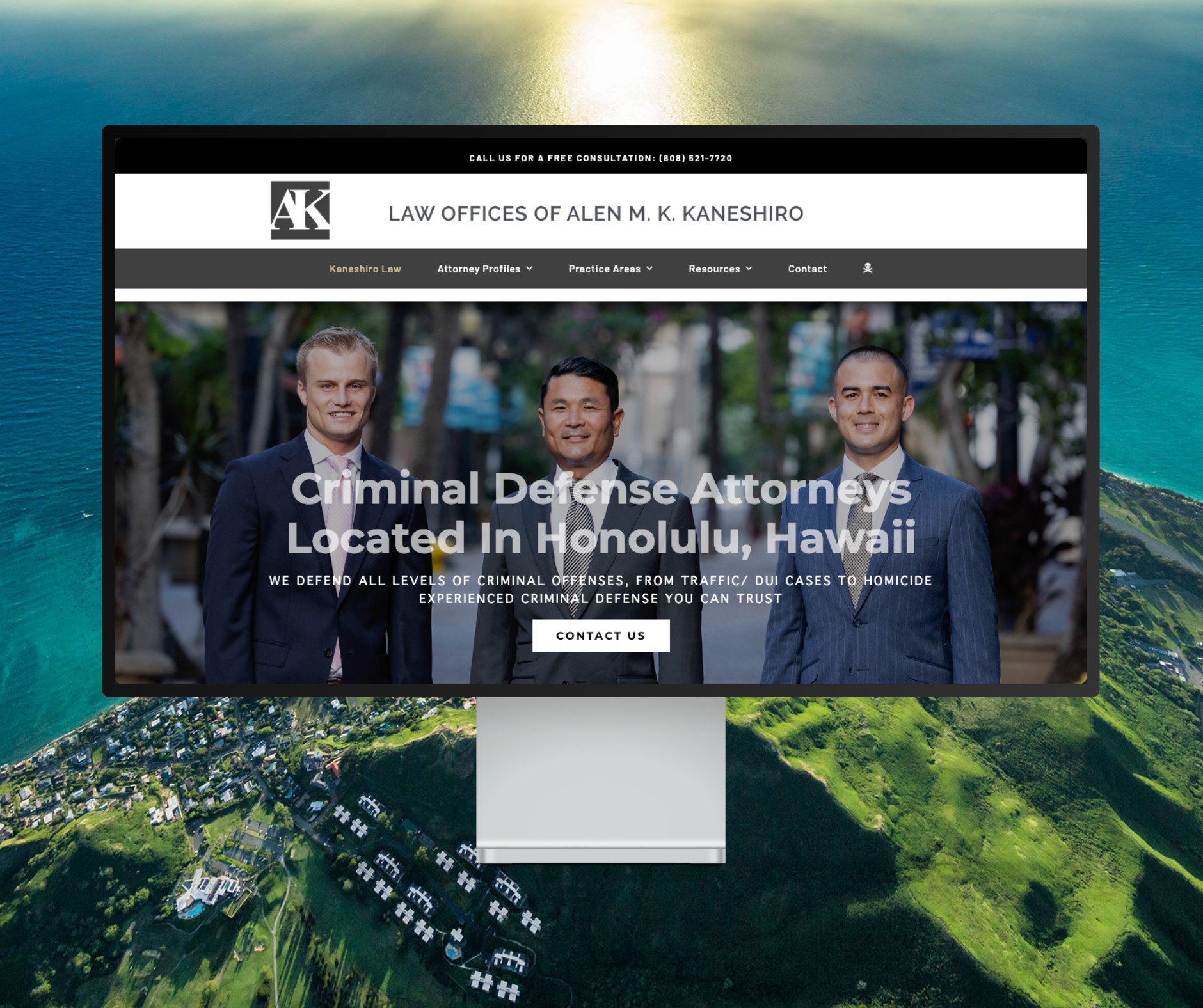
Featured Website: www.kaneshirolaw.com
Kaneshiro Law Firm, one of Hawaii’s most respected legal practices, partnered with The X Digital three years ago for a complete website redesign. Since then, we’ve maintained an ongoing relationship—handling updates, optimizations, and technical support around the clock. Our dedicated team ensures they’re never without assistance, while our enterprise-grade hosting provides 24/7 uptime monitoring and reliability. Kaneshiro Law Firm is one of many long-term clients who trust us to keep their digital presence running flawlessly.