

Imagine trying to navigate a website with only your keyboard, or reading a product description with the help of a screen reader. For millions of users with disabilities, this is a daily reality. Digital accessibility is no longer a niche concern or a legal checkbox—it is a fundamental pillar of modern design. When we prioritize inclusive design, we do more than comply with regulations; we unlock a better user experience for everyone. In this article, we will explore the tangible benefits of accessibility, break down the core principles of inclusive design, and provide actionable strategies to ensure your digital products are welcoming to all.
Why Accessibility Matters in Digital Design
Accessibility in digital design is about removing barriers that prevent people with disabilities from interacting with websites, apps, and digital tools. However, the impact of these efforts extends far beyond that specific audience. By adopting a mindset of inclusive design, we create products that are more usable for everyone, regardless of their circumstances. Consider a user with a temporary injury, a person in a bright environment struggling to see a screen, or an older adult with declining vision—all benefit from accessible design choices.
The business case is equally compelling. The global market of people with disabilities represents over one billion individuals, with a collective spending power of trillions of dollars. Excluding them from your digital experience is not only a missed revenue opportunity but also a reputational risk. Furthermore, accessible websites often rank better in search engines because they feature cleaner code, better semantic structure, and faster load times—all factors that contribute to a superior user experience for every visitor.
The Legal and Ethical Imperative
Beyond the moral obligation to treat all users equitably, there are legal requirements to consider. Many countries have enacted laws, such as the Americans with Disabilities Act (ADA) in the United States and the European Accessibility Act, which mandate that digital content be accessible. Lawsuits related to inaccessible websites are on the rise, making proactive accessibility a crucial risk-management strategy for any business.
Shifting from Compliance to User Experience
The most successful organizations do not view accessibility as a box-ticking exercise. Instead, they integrate it into their core design philosophy. This shift means asking questions like “How does this color contrast affect readability?” or “Is this navigation intuitive for a screen reader user?” during the initial design phase, rather than retrofitting fixes at the end of a project.
Core Principles of Inclusive Design
To effectively implement accessibility, designers and developers rely on a set of internationally recognized standards known as the Web Content Accessibility Guidelines (WCAG). These guidelines are built on four foundational principles, often summarized by the acronym POUR. Understanding these principles is the first step toward creating a truly inclusive user experience.
- Perceivable: Information must be presented in ways that users can perceive, regardless of their sensory abilities. This includes providing text alternatives for images and ensuring content is adaptable for different display methods.
- Operable: Users must be able to navigate and interact with the interface. This means ensuring all functionality is available via a keyboard and avoiding interactions that require specific motor skills, like timed responses.
- Understandable: The information and operation of the interface must be clear. This involves using plain language, predictable navigation, and consistent design patterns to help users avoid confusion.
- Robust: Content must be robust enough to be interpreted reliably by a wide variety of user agents, including assistive technologies like screen readers and magnifiers.
Putting POUR into Practice
Applying these principles might seem daunting, but it often comes down to simple, consistent habits. For example, ensuring sufficient color contrast between text and background meets the “Perceivable” principle. Providing descriptive link text, rather than “click here,” makes content more “Operable” and “Understandable” for screen reader users.
Practical Steps for Implementing Accessibility
Integrating accessibility into your design workflow does not require a complete overhaul. It requires a commitment to learning and the adoption of better tools and processes. Here are some concrete steps you can take today to enhance the user experience for all your visitors.
Start with a Content-First Approach
Accessibility begins with your content. Use proper heading structures (H1, H2, H3) to create a logical outline of your page. This not only helps sighted users scan content but also allows screen reader users to jump between sections efficiently. Additionally, always write descriptive alt text for images that conveys the purpose of the image within the context of the page.
Design for Keyboard Navigation
Many users rely solely on a keyboard to navigate a website. Ensure that your interactive elements, such as buttons, links, and forms, are easily focusable and that the focus indicator (the visible outline around an element) is clear and prominent. Test your site by unplugging your mouse and navigating using only the Tab, Enter, and arrow keys to identify any barriers.
Conduct Regular Audits with the Right Tools
Automated testing tools are excellent for catching common errors like missing alt text or poor color contrast. However, they cannot catch all issues. Pair automated scans with manual testing and, most importantly, involve people with disabilities in your user testing sessions to gain real-world insights that tools simply cannot provide.
Real-World Examples of Inclusive Design
To see the power of accessibility in action, look at companies that have embraced it as a core value. Microsoft is a prime example, with its commitment to “inclusive design” influencing everything from its operating systems to its hardware. Their Xbox Adaptive Controller was a landmark product, designed entirely in collaboration with gamers with limited mobility, demonstrating that accessibility can drive innovation and open up new markets.
Another example is the BBC, which has long been a leader in digital accessibility. Their “Global Experience Language” (GEL) design system includes comprehensive accessibility guidelines that all BBC digital products must follow. By standardizing accessible components, they ensure a consistent and reliable experience for their millions of users, many of whom rely on assistive technologies. These examples show that accessibility is not a constraint on creativity but a catalyst for it, leading to products that are more thoughtful, innovative, and ultimately, more successful.
Conclusion: Your Roadmap to an Inclusive User Experience
Prioritizing accessibility is an ongoing journey, not a final destination. It requires a cultural shift within your organization, a willingness to learn, and a deep empathy for your users. By embracing the principles of inclusive design, you are not just making your website compliant; you are building a better digital world where everyone has equal access to information and opportunity. The benefits—from enhanced brand reputation and customer loyalty to a wider market reach and reduced legal risk—far outweigh the initial investment of time and resources.
Start small. Audit your current website for basic accessibility errors, review your content strategy, and commit to including accessibility in your next design project. Every step you take makes a difference. If you are unsure where to begin or need expert guidance to elevate your digital presence, our team is here to help you create experiences that truly work for everyone. Contact us today to start your accessibility journey.
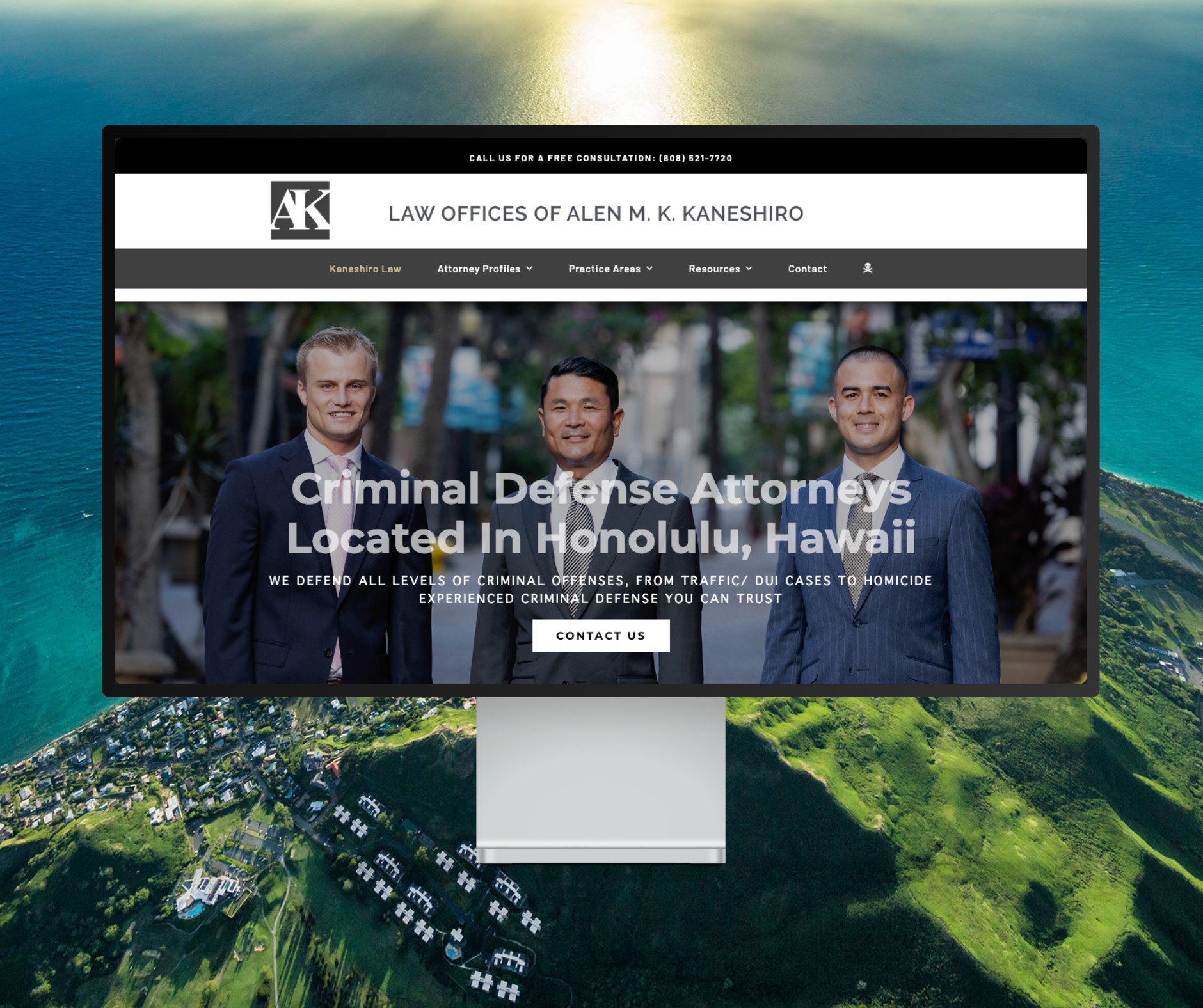
Featured Website: www.kaneshirolaw.com
Kaneshiro Law Firm, one of Hawaii’s most respected legal practices, partnered with The X Digital three years ago for a complete website redesign. Since then, we’ve maintained an ongoing relationship—handling updates, optimizations, and technical support around the clock. Our dedicated team ensures they’re never without assistance, while our enterprise-grade hosting provides 24/7 uptime monitoring and reliability. Kaneshiro Law Firm is one of many long-term clients who trust us to keep their digital presence running flawlessly.