
The Psychology Behind Digital Design: Why First Impressions Matter
When you land on a website, your brain makes dozens of judgments within milliseconds. These snap decisions have little to do with the actual content and everything to do with how that content is presented. This is where digital design psychology comes into play. The colors, spacing, typography, and layout all work together to trigger emotional responses that shape how you perceive a brand.
Understanding this connection between design and psychology is crucial for anyone building a digital presence. After all, if your website doesn’t resonate with visitors on a subconscious level, they’re unlikely to stick around for the conscious details. In this post, we’ll explore how design choices influence user behavior, the key UX principles that drive engagement, and how you can apply these insights to create experiences that truly convert.
The Core Principles of Cognitive Design
Cognitive design focuses on minimizing friction. The easier a website is to understand and use, the more likely a visitor is to complete a desired action. This isn’t about dumbing down content; it’s about streamlining the thought process required to navigate your space.
Reducing Cognitive Load
Every element on a page competes for the user’s attention. When there’s too much visual noise, the brain works harder to process information, leading to fatigue and frustration. By adopting clear UX principles, you reduce this load. Simple navigation, generous white space, and clear calls to action allow the user to breathe and focus on what matters most. This is the foundation of effective digital design psychology.
Visual Hierarchy and Intuition
A well-structured layout guides the eye naturally. A large, bold headline signals importance, while smaller supporting text provides detail. This hierarchy creates a clear path for the user to follow, mimicking the natural way we process visual information. When a design feels intuitive, users don’t have to think about what to do next; they simply act. This intuitive flow is a direct result of thoughtful design.
Emotional Design: Crafting a Connection
Beyond usability, design has the power to evoke feelings. This is the essence of emotional design. It’s the difference between a site that feels functional and one that feels alive. The visual identity communicates a brand’s personality, whether it’s trustworthy, playful, or innovative.
The Impact of Color and Imagery
Color psychology is a powerful tool. For instance, blue often instills trust, while red can create urgency. The images you choose also tell a story. A real photo of a smiling person can foster a personal connection, whereas a generic stock image might feel cold and distant. These elements work together to shape the user’s overall perception, influencing their behavior and their likelihood to engage.
Persuasive Design and User Behavior
Persuasive design goes a step further by using principles to guide user behavior towards a specific goal. This isn’t about manipulation; it’s about aligning your design with how human beings naturally make decisions.
Leveraging Social Proof
When people are uncertain, they look to others for guidance. Displaying testimonials, user reviews, and logos of trusted clients provides powerful evidence, encouraging new users to feel confident in their choice.
Creating a Sense of Scarcity
Limited-time offers or low-stock indicators tap into the fear of missing out (FOMO). When a user believes an opportunity is fleeting, they are more likely to act quickly. In a digital landscape, persuasive design principles like these can significantly influence conversion rates.
Real-World Examples of Design Psychology in Action
Let’s look at how these concepts play out in practice.
**Example 1: The E-commerce Checkout**
Imagine an online store. A well-designed checkout process uses a single, clear progress bar. It reassures the user with trust badges (like SSL encryption) and allows guest checkout. This reduces anxiety and cognitive load. Conversely, a poorly designed checkout that forces account creation and lacks trust signals leads to cart abandonment. The design directly dictates the final user behavior.
**Example 2: The SaaS Landing Page**
A successful Software-as-a-Service (SaaS) landing page often uses a stark contrast between a clean interface and a vibrant call-to-action button. They use persuasive design by placing the sign-up form “above the fold” and including a clear value proposition. They also use social proof, like a user count or logos, to build credibility instantly. This combination of clarity, emotional reassurance, and a strong visual anchor is a masterclass in digital design psychology.
—
Conclusion: Beyond the Pixel
Digital design is far more than just an aesthetic layer on top of functionality. It is a strategic tool that directly influences how users think, feel, and act. By understanding the principles of cognitive design, embracing emotional design, and ethically applying persuasive design, you can create experiences that are not only beautiful but also deeply effective.
The true power of design lies in its ability to speak to the subconscious and guide the journey. Every color, font, and layout choice is a deliberate one that either builds or breaks trust. If you are looking to improve your own user behavior and conversion rates, start by auditing your current design. Does it reduce cognitive load? Does it evoke the right emotions? Does it guide the user toward the next step? By asking these questions, you can begin to move beyond the pixel and start designing with psychology in mind.
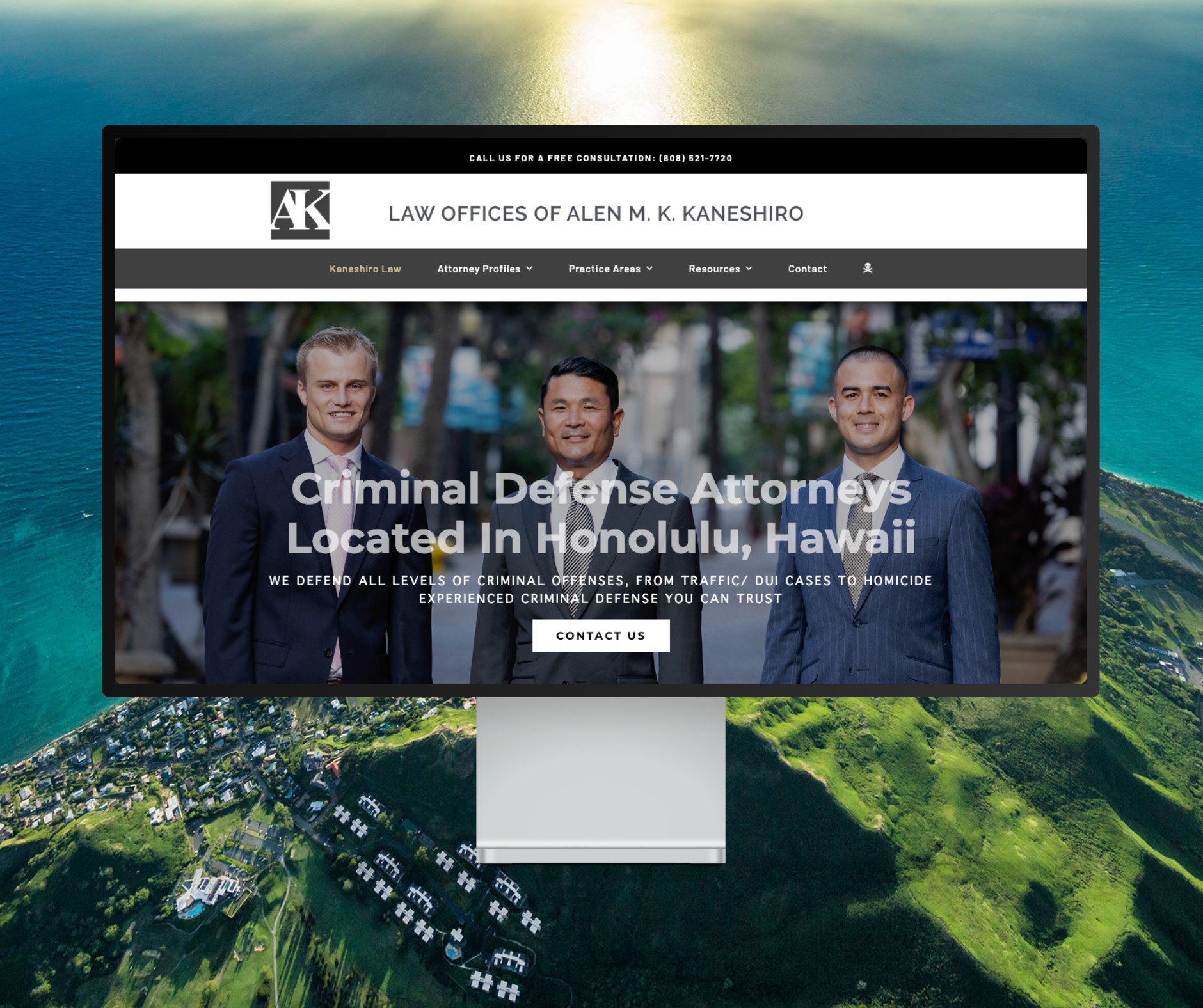
Featured Website: www.kaneshirolaw.com
Kaneshiro Law Firm, one of Hawaii’s most respected legal practices, partnered with The X Digital three years ago for a complete website redesign. Since then, we’ve maintained an ongoing relationship—handling updates, optimizations, and technical support around the clock. Our dedicated team ensures they’re never without assistance, while our enterprise-grade hosting provides 24/7 uptime monitoring and reliability. Kaneshiro Law Firm is one of many long-term clients who trust us to keep their digital presence running flawlessly.