

You’ve decided it’s time to move on from your current web agency. Maybe they’re unresponsive, your site’s performance has tanked, or you’ve simply outgrown what they can offer. Whatever the reason, the decision is made—but now comes the tricky part: how do you actually fire your web agency without losing access to your site, breaking what’s working, or starting from scratch?
In 20+ years and over 1,000 projects, we’ve helped dozens of businesses through this exact transition. Done right, switching web agencies is straightforward. Done wrong, it can mean days of downtime, lost email access, broken integrations, and a scramble to recover files you thought you owned. This guide walks you through exactly what to secure, what to ask for, and how to make the switch without blowing up your digital presence.
Before You Fire Your Web Agency: What You Actually Own
The first step in switching web agencies is understanding what you legally own versus what your current agency controls. Many business owners assume they own everything because they paid for it—but that’s not always how web projects work.
Domain Name Ownership
Your domain name (yourcompany.com) is the single most important asset. If your agency registered it on your behalf, check who’s listed as the registrant. Log into the domain registrar (GoDaddy, Namecheap, Google Domains, etc.) using credentials your agency should have provided. If you don’t have access, that’s your first red flag and your first request.
Hosting and Website Files
Your website files—the actual code, images, and content—live on a hosting server. If your agency provides hosting, you need a complete backup before you leave. This includes your WordPress database, all theme and plugin files, uploaded media, and any custom code. Without this, you’re rebuilding from scratch.
Email Accounts
Many businesses don’t realize their email is tied to their domain hosting or a separate service managed by their agency. Losing access to company email during a transition can be devastating. Identify where your email is hosted (Google Workspace, Microsoft 365, hosting provider) and ensure you have admin access before making any changes.
The Website Migration Checklist: What to Request Before You Leave
Once you understand what you own, it’s time to request everything you need for a clean handoff. A professional agency will provide these items without pushback—any resistance is a warning sign.
Request these items in writing:
- Full website backup: Complete WordPress files, database export, and all media uploads in a downloadable format
- Domain registrar access: Login credentials and transfer authorization code (EPP code) if you’re moving registrars
- Hosting account details: Control panel access, FTP/SFTP credentials, and database login information
- Email hosting access: Admin credentials for Google Workspace, Microsoft 365, or webmail panel
- Third-party service logins: Google Analytics, Google Search Console, Google Business Profile, social media business accounts, payment processors, form services, email marketing platforms
- DNS records: A complete list of current DNS settings, especially MX records (email), SPF/DKIM records, and any third-party integrations
- SSL certificate details: Information about your security certificate, though most new hosts will issue a fresh one
Give your current agency reasonable notice—ideally two weeks—and frame your request professionally. You’re not asking for favors; you’re requesting access to assets you paid for. Most agencies will comply quickly because they know it’s your legal right.
How to Change Hosting Providers Without Downtime
The riskiest part of switching web agencies is often the hosting migration. Move too fast and your site goes down. Move too slow and you’re paying two providers. Here’s the process we use to migrate 100+ sites on our managed hosting infrastructure without downtime.
Set Up Your New Hosting First
Before touching anything at your old host, get your new hosting account ready. Upload your website backup, import your database, and test everything on a temporary URL your new host provides. This lets you verify that everything works before you point your domain to the new server. Fix any broken links, missing images, or plugin conflicts while your live site is still running on the old host.
Update DNS Records Carefully
Once your site is working perfectly on the new host, you’ll update your domain’s DNS records to point to the new server. This is where email breaks if you’re not careful. Before changing anything, document your current MX records (these control email routing). When you update your DNS to point to the new hosting, make sure those MX records stay exactly the same unless you’re intentionally moving email too.
DNS changes can take 24-48 hours to fully propagate, though most visitors will see the new site within a few hours. During this window, some users might see the old site while others see the new one—this is normal and temporary.
Common Mistakes When You Fire Your Web Developer
We’ve rescued plenty of businesses who tried to switch agencies on their own and hit problems. Here are the mistakes that cause the most damage:
Canceling hosting before the migration is complete. Your old site needs to stay live until DNS fully propagates to the new host. Cancel too early and your site disappears for 24-48 hours. Keep both hosts running for at least a week after the switch.
Forgetting to update payment methods and admin emails. If your old agency’s email is still listed as the admin contact for your domain, hosting, or Google Workspace, they’ll get renewal notices and password resets—not you. Update every service to your own business email immediately.
Not testing forms, checkout, and integrations. A site that looks fine might have broken contact forms, payment processing, or CRM integrations. Test every conversion path on the new host before switching DNS. Send test form submissions, process a test order, verify that leads still flow to your CRM.
Ignoring ongoing contracts. Some agencies include hosting and maintenance as part of a bundled monthly retainer. Review your contract to understand cancellation terms and whether you’ll owe final invoices. Most agreements require 30 days notice.
What to Do If Your Agency Won’t Cooperate
In rare cases, an agency will refuse to hand over access, hold your domain hostage, or claim they own work you paid for. If you’ve paid for custom development and hosting, you almost certainly have legal rights to your content and data, even if the agency retains rights to proprietary code or design templates.
Start with a formal written request citing your contract terms. If that fails, most domain registrars have dispute resolution processes, and you can file complaints with the Internet Corporation for Assigned Names and Numbers (ICANN) for domain issues. For hosting and website files, a lawyer’s letter usually resolves things quickly—most agencies aren’t interested in legal fights over a single client.
The good news? This is uncommon. Most agencies understand that holding client assets damages their reputation far more than losing one account.
Ready to Switch Without the Stress?
Switching web agencies doesn’t have to be risky or complicated when you know what to request and how to test before going live. The key is securing access to everything you own, setting up your new environment completely before making DNS changes, and keeping both hosts live during the transition window.
If you’re currently stuck with an unresponsive agency, dealing with a hacked or broken site, or just ready to work with a team that actually answers the phone, we’ve handled this transition dozens of times. Our managed hosting infrastructure is built for clean migrations, and we’ll make sure nothing breaks in the process. Reach out and we’ll walk you through exactly what we’d need to take your site off your plate—no downtime, no drama.
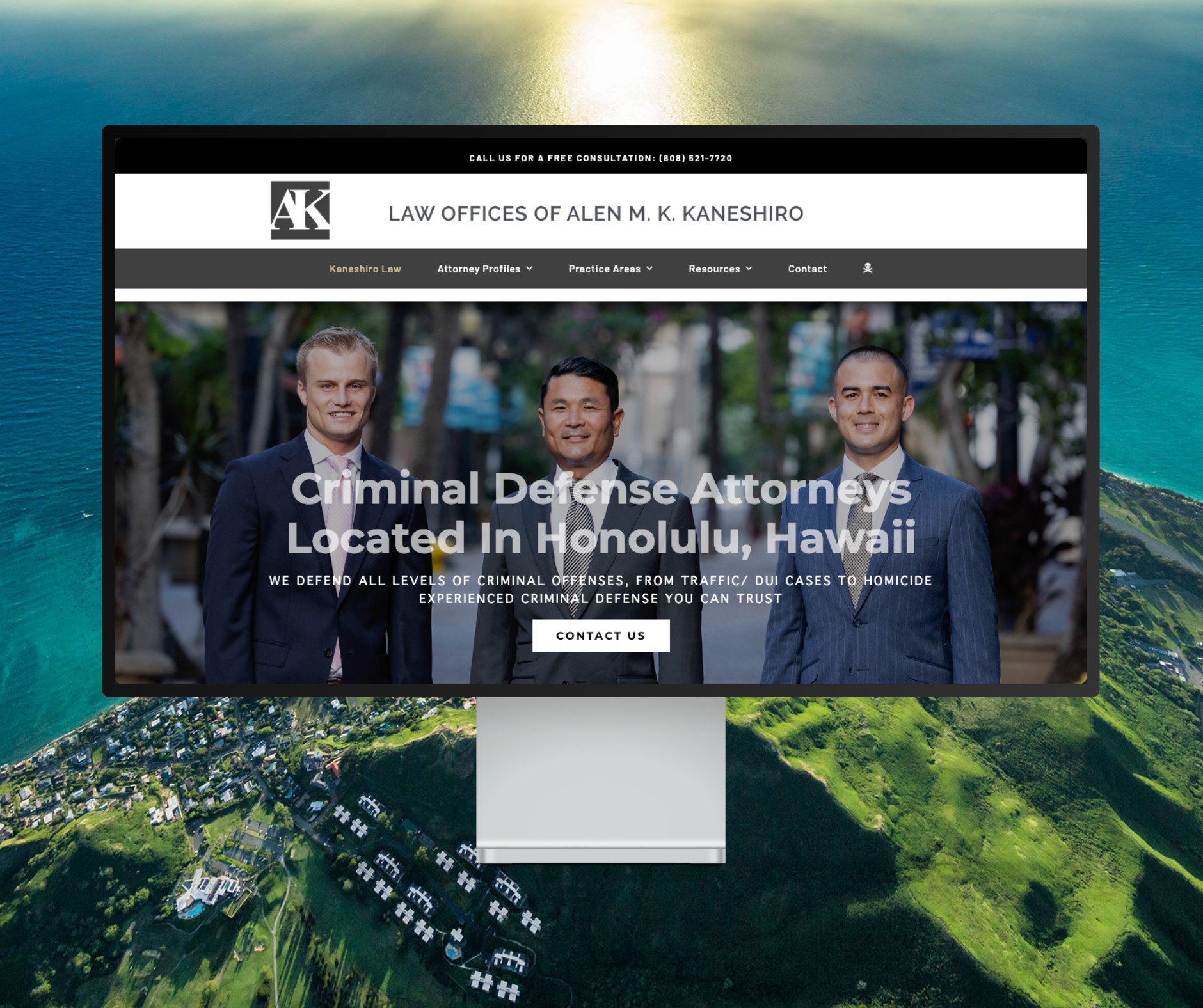
Featured Website: www.kaneshirolaw.com
Kaneshiro Law Firm, one of Hawaii’s most respected legal practices, partnered with The X Digital three years ago for a complete website redesign. Since then, we’ve maintained an ongoing relationship—handling updates, optimizations, and technical support around the clock. Our dedicated team ensures they’re never without assistance, while our enterprise-grade hosting provides 24/7 uptime monitoring and reliability. Kaneshiro Law Firm is one of many long-term clients who trust us to keep their digital presence running flawlessly.