

Fixing broken website links may seem like a minor maintenance task, but it can have a noticeable effect on your search visibility, conversions, and reputation. When a visitor clicks a link and lands on a 404 error page, they may assume your business is inactive, careless, or difficult to work with. Search engines also use links to discover and understand your website, so a site filled with dead ends can create unnecessary SEO problems.
The good news is that you don’t need a large technical team to improve the situation. In this guide, we’ll explain what broken links are, why they matter, how to find broken links on a small business website, and how to fix them safely. We’ll also cover redirects, internal links, external links, and a practical maintenance routine you can follow without turning website upkeep into a full-time job.
Fixing Broken Website Links: Why They Matter for SEO and Trust
A broken link is a hyperlink that points to a page, file, or resource that no longer exists or cannot be reached. The most familiar result is a “404 Not Found” page, although broken links can also lead to server errors, redirect loops, or pages blocked from loading.
On a small business website, even a handful of broken links can create friction. Someone trying to book an appointment, request a quote, read a service detail, or complete a purchase may give up instead of looking for another path. That lost action can be more expensive than the time required to repair the link.
Broken links affect the visitor experience
Your website is often the first serious interaction a potential customer has with your business. A broken link interrupts that experience at exactly the wrong moment. It can also make important information appear unavailable, especially if the link leads to pricing, contact details, booking forms, or product pages.
Trust matters even more for local services, healthcare, financial services, home improvement, and other businesses where customers want confidence before making contact. A website that works consistently sends a simple message: you pay attention to details.
What is the broken link SEO impact?
One or two broken links won’t normally cause your rankings to collapse. However, broken link SEO issues can become significant when they are widespread, affect important pages, or prevent search engines from properly crawling your site. Search engines may spend time attempting to access URLs that no longer work instead of discovering useful pages.
Broken links can also weaken your internal linking structure. Internal links help search engines understand which pages matter and how your content relates. If those connections are damaged, visitors and search engines have fewer clear paths through your website.
How to Find Broken Links on Your Website
Before you fix broken links, you need an accurate list. Manually clicking every link on a growing website is not practical, particularly if you have a WordPress site with blog posts, image files, downloadable documents, and third-party integrations.
Start with free or built-in tools
Google Search Console is a useful starting point. Its indexing reports can show URLs that Google attempted to crawl but could not find. This doesn’t identify every broken link on your website, but it can reveal pages that search engines have already encountered.
You can also use a website crawler. These tools follow links across your site and report URLs returning errors such as 404, 403, or 500. Some are browser-based, while others run as desktop applications. For many small businesses, a periodic crawl is enough to identify common problems.
WordPress users should be cautious with plugins that continuously scan for broken links. They can be convenient, but constant background checking may use server resources, especially on shared hosting. A scheduled external scan or a manual check is often a better choice for a smaller site.
Check the links that matter most first
Not every broken link has the same business impact. Prioritize links connected to revenue, contact, and important search pages. A useful first pass includes:
- Contact, quote, booking, and appointment links
- Service and location pages
- Product pages and checkout-related links
- Navigation menus, buttons, and calls to action
- Links from high-traffic blog posts
- Important downloadable files, such as menus, brochures, or applications
- Links shown in Google Search Console or analytics reports
It’s also worth checking the website on a phone. Sometimes a link technically works but is covered by another element, points to the wrong section, or opens an unusable form on mobile. That is a usability issue even if the URL returns a successful status code.
How to Fix Broken Links Without Creating New Problems
Once you have a list, decide what each broken URL should do now. The correct solution depends on whether the original page still exists, has moved, or has no useful replacement.
Update links when the destination still exists
Sometimes the page is working, but the link contains a typo, an outdated URL structure, or an incorrect domain. Edit the link so it points to the current page. This is the cleanest solution because visitors reach the destination directly and search engines don’t need to process an extra redirect.
Pay particular attention to internal links that use old versions of your URL. For example, a link may point to an unsecured HTTP address, an old subdomain, or a page with a changed permalink. Replace it with the current, preferred URL.
Use a 301 redirect when a page has moved
A 301 redirect automatically sends visitors and search engines from an old URL to a relevant new one. Use it when a service page has a new URL, a product has moved, or you have changed your website structure.
The replacement should be genuinely related. Redirecting every deleted page to the homepage is not a good general strategy. It can confuse visitors and provide little value to search engines. If an old “Maui vacation rental guide” page has been replaced by a substantially similar guide, redirect it there. If no comparable page exists, a helpful 404 page may be more appropriate.
Keep redirects organized. Too many redirects in a chain can slow the experience and make crawling less efficient. Whenever possible, send the old URL directly to the final destination rather than redirecting through several older URLs.
Remove or replace links that no longer serve a purpose
Not every broken link needs a replacement. An outdated promotion, discontinued service, or irrelevant external resource may simply need to be removed. Keeping a dead link because it once existed can make a page less useful, not more complete.
For external links, look for a current, reputable source rather than replacing the URL with the first similar page you find. If the reference is no longer necessary, delete the link and revise the sentence so the content remains accurate.
Website Broken Links: WordPress Maintenance Tips for Small Businesses
WordPress makes it relatively easy to update links, but it also creates several opportunities for link problems. Changing a page slug, deleting media, switching domains, redesigning a site, or installing a new plugin can leave old URLs behind.
Keep your site structure stable
Try not to change page URLs casually. A short, descriptive permalink is helpful, but changing an established URL only for a minor wording improvement may create more maintenance work than SEO benefit. If a URL must change, create a redirect immediately and update the internal links that point to it.
When redesigning a website, prepare a URL inventory before launch. List important old URLs and their intended new destinations. This process, often called redirect mapping, reduces the risk of losing traffic and helps your developer test the new site properly.
Use a simple maintenance schedule
Small business website maintenance doesn’t need to be complicated. A practical routine might include:
- Monthly: Test contact forms, booking tools, major calls to action, and key navigation links.
- Quarterly: Run a crawl for broken internal and external links.
- After website changes: Test redirects, menus, forms, downloads, and important pages on mobile.
- After deleting content: Decide whether to redirect the URL, remove links to it, or show a useful 404 page.
- Ongoing: Review Search Console for new indexing and crawl errors.
Your 404 page should help people recover. Include a clear explanation, a link to the homepage, popular service or product categories, and an easy way to contact you. It won’t repair a broken link, but it can prevent a mistake from becoming a lost customer.
When to Fix Broken Links Yourself—and When to Get Help
You can safely handle many basic repairs: correcting a typo, updating an internal link, replacing an outdated external source, or removing a link that no longer belongs. Always test the updated URL in a private browser window and on a phone before considering the task complete.
More complex issues deserve professional help. These include large numbers of broken links after a redesign, redirect loops, unexplained server errors, malware-related redirects, indexing problems, and links that affect hundreds of pages. Incorrect changes to redirects or WordPress settings can create wider SEO and performance issues.
A good technical review should distinguish between a genuine broken link and a URL that is intentionally restricted, temporarily unavailable, or incorrectly flagged by a tool. Automated reports are useful, but they still need human judgment.
Conclusion: Make Link Health Part of Your SEO Routine
Fixing broken website links is one of the more practical SEO improvements a small business can make. It protects the customer experience, supports search engine crawling, and helps your website look as dependable as the business behind it. You don’t need to repair every issue in one afternoon. Start with your main navigation, revenue pages, contact paths, and highest-traffic content.
Then create a simple maintenance schedule so problems are found before customers report them. If your site has recently been redesigned, has hundreds of pages, or is showing recurring errors, a professional technical SEO review can save time and prevent expensive mistakes. At The X Digital, we look at the whole picture—links, hosting, security, speed, and conversions—because a website should do more than exist. It should work for your business.
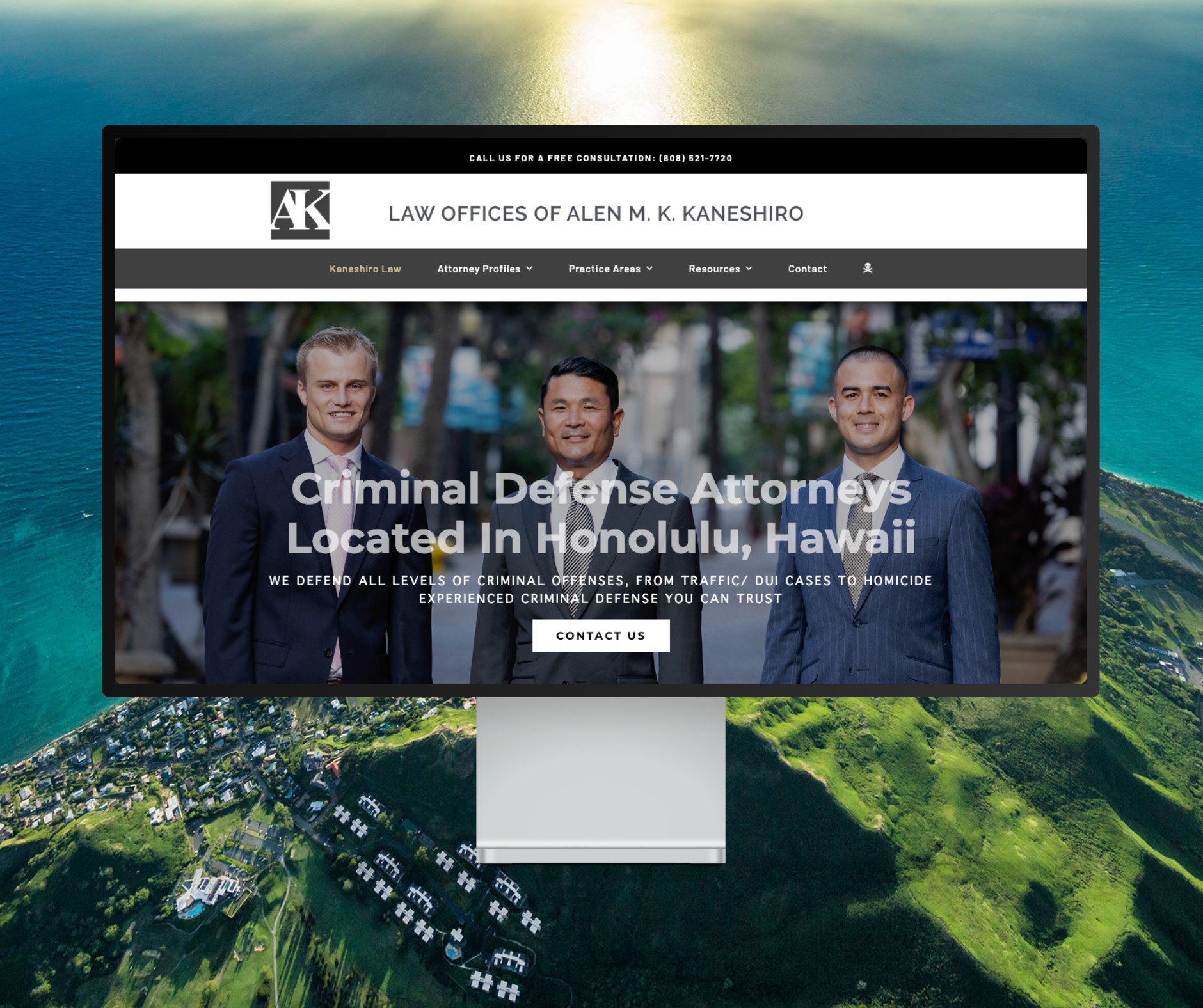
Featured Website: www.kaneshirolaw.com
Kaneshiro Law Firm, one of Hawaii’s most respected legal practices, partnered with The X Digital three years ago for a complete website redesign. Since then, we’ve maintained an ongoing relationship—handling updates, optimizations, and technical support around the clock. Our dedicated team ensures they’re never without assistance, while our enterprise-grade hosting provides 24/7 uptime monitoring and reliability. Kaneshiro Law Firm is one of many long-term clients who trust us to keep their digital presence running flawlessly.