

Your new Google Ads campaign is live, but the numbers look alarming: few clicks, expensive conversions, strange search terms, or a status that says “Learning.” This is often normal at the beginning, but not every poor result should be blamed on the Google Ads learning phase.
Google needs time and data to understand who is likely to respond to your ads. In this guide, we’ll explain what the learning phase means, which signs are expected, what changes can restart the process, and when a campaign problem requires action.
What Is the Google Ads Learning Phase?
The Google Ads learning phase is the period when an automated bidding strategy gathers data and adjusts bids to pursue your chosen goal, such as leads, purchases, or phone calls. During this time, performance can fluctuate because Google is still testing different searches, audiences, devices, locations, and times of day.
There is no universal length for the learning phase. A campaign with substantial conversion volume may stabilize within several days, while a small local business campaign may need a few weeks to collect enough meaningful data.
Why New Campaign Performance Can Look Unstable
Automated bidding relies on conversion signals. If you tell Google to optimize for phone calls but tracking is broken, the system has little reliable information to work with. Likewise, a campaign targeting a narrow service area may not generate enough conversions for quick learning.
Early volatility can include:
- Daily costs that vary more than expected
- Clicks arriving from different search terms than anticipated
- Conversions appearing in bursts rather than consistently
- A cost per lead that is temporarily higher than your target
- Impressions or clicks changing after small adjustments
These signs don’t automatically mean the campaign is broken. They do mean you should monitor it carefully rather than judge the entire strategy from one or two days of data.
What Should You Avoid Changing During the Learning Phase?
The most common mistake is making several major changes before Google has enough time to evaluate the original setup. Frequent edits can delay Google Ads optimization and make it difficult to identify what actually improved or damaged performance.
Changes That Can Disrupt Learning
Depending on the campaign type and bidding strategy, the following changes may cause significant recalibration:
- Switching bidding strategies
- Changing the conversion action used for optimization
- Large budget increases or decreases
- Adding or removing many keywords and ads at once
- Changing location targeting or audience settings
- Pausing high-volume ad groups without a clear reason
This doesn’t mean you should leave obvious errors untouched. If the wrong phone number is being tracked, your landing page is broken, or ads are targeting the wrong city, fix it immediately. The goal is to avoid unnecessary experimentation while the campaign is still collecting baseline data.
What to Monitor Instead
Focus first on whether the campaign is collecting usable data. Check that ads are approved, impressions are occurring, search terms are relevant, clicks reach the correct page, and conversions are recording correctly.
For lead-generation campaigns, don’t rely only on the conversion count. Listen to calls, review form submissions, and confirm that recorded leads are genuine inquiries. A campaign can appear successful in the account while producing poor-quality prospects if the conversion action is too broad.
When Should You Actually Worry?
You should worry when the campaign shows a persistent technical, targeting, or measurement problem—not simply because performance is uneven during the first few days.
Warning Signs That Need Investigation
These issues justify prompt Google Ads troubleshooting:
- No impressions despite approved ads and an active budget
- Clicks going to the wrong page or a page that fails to load
- Conversion tracking showing zero when real leads are arriving
- Search terms unrelated to the products or services you offer
- Spending occurring outside your service area
- Repeated disapprovals, account warnings, or billing problems
- High click volume with no meaningful engagement or inquiries
Also check your economics. If one lead is worth approximately $200 in profit, paying $75 for a qualified lead may be reasonable. Paying $75 for an unqualified form submission is not. The right evaluation depends on lead quality and business value, not just the platform’s reported metrics.
When to Pause Campaigns
Knowing when to pause campaigns requires more than seeing a high cost per conversion. Pause or limit spending when the campaign is causing clear financial damage, sending irrelevant traffic, or operating with broken tracking that prevents responsible decisions.
For example, if a landing page accidentally lists the wrong price or a service is temporarily unavailable, pausing may be sensible. If performance is merely inconsistent after a few days, a pause may throw away useful learning. Before stopping, identify whether the problem is the campaign itself, the offer, the landing page, or the measurement setup.
How to Evaluate a New Campaign Without Overreacting
Give the campaign a defined review process instead of changing it every morning. Start by confirming the fundamentals, then assess trends over a meaningful period based on your budget and conversion volume.
- Confirm tracking: Test forms, calls, purchases, and thank-you pages yourself.
- Review search terms: Add negative keywords when searches clearly don’t match your business.
- Check lead quality: Compare platform conversions with actual calls, emails, and sales opportunities.
- Review budget and bidding: Make sure the daily budget supports the target without creating unacceptable risk.
- Make one meaningful change at a time: This preserves a clearer comparison.
Consider a hypothetical local contractor spending $40 per day. After three days, the campaign has produced clicks but no leads. That is not enough information to conclude the strategy has failed. However, if the search-term report shows people looking for jobs, free advice, or services in another state, the targeting and keyword controls need attention immediately.
In our experience, the best Google Ads decisions combine account data with what happens after the click. A dashboard cannot tell you whether a caller was a serious prospect, whether your staff answered the phone, or whether the offer matched the visitor’s needs.
New campaigns do not need instant perfection; they need accurate tracking, relevant traffic, and enough time to reveal a pattern. If you’re unsure whether your campaign is still learning or genuinely underperforming, our team can review the setup, tracking, search terms, and landing page. Request a free website or campaign review, and we’ll tell you what we’d fix first.
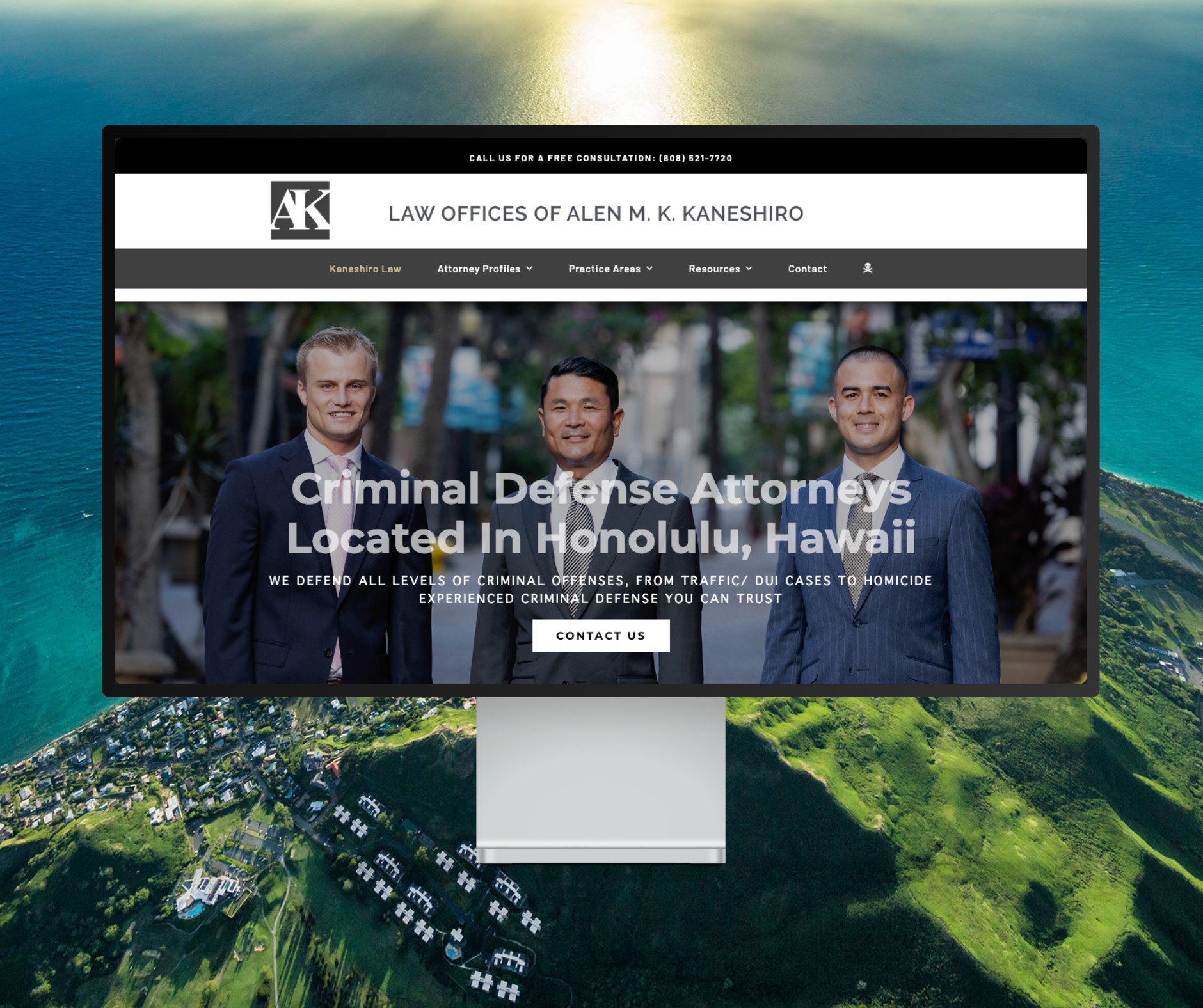
Featured Website: www.kaneshirolaw.com
Kaneshiro Law Firm, one of Hawaii’s most respected legal practices, partnered with The X Digital three years ago for a complete website redesign. Since then, we’ve maintained an ongoing relationship—handling updates, optimizations, and technical support around the clock. Our dedicated team ensures they’re never without assistance, while our enterprise-grade hosting provides 24/7 uptime monitoring and reliability. Kaneshiro Law Firm is one of many long-term clients who trust us to keep their digital presence running flawlessly.