

In August 2026, Google quietly expanded one of its most misunderstood policies — and if you run Display or Video campaigns, you may have already felt the impact without knowing why. The Limited Ad Serving policy, which previously applied mainly to Search and YouTube, now covers every Google Ads product. That means Display, Performance Max, Demand Gen, Shopping, Gmail, Discover — everything. And unlike a policy violation that disapproves your ads, this one just makes them show less often, with no warning banner and no clear fix.
If your impressions have dropped across Display or Video campaigns in recent months, and your bids, budgets, and Quality Scores all look fine, you’re probably dealing with Limited Ad Serving. This isn’t a bug. It’s a trust filter, and it’s rolling out gradually through 2028. Here’s what changed, why it matters, and what you can do about it.
What Google’s Limited Ad Serving Policy Actually Does
Limited Ad Serving is not a traditional policy violation. Your ads don’t get disapproved. Your account doesn’t get suspended. Instead, Google restricts how often your ads are eligible to enter auctions in scenarios it considers higher risk for negative user experiences. According to Google’s official policy documentation, the company “limits impressions of ads that are more likely to result in negative ads experiences” and only qualified advertisers can serve ads without impression limits in those scenarios.
The policy has existed since 2023, but it was initially narrow in scope — primarily affecting Search campaigns and some YouTube placements. The August 2026 update changed everything. Google announced that Limited Ad Serving would now apply to all Google Ads products, with implementation rolling out gradually and completing by 2028. That means the same qualification framework that could suppress your Search reach can now suppress impressions across Display, Video, Performance Max, and every other surface where your ads run.
Why This Expansion Matters for Display and Video
Display and Video campaigns operate differently than Search. On Search, you can see which keywords triggered your ads and track lost impression share by auction rank. On Display and Video, your ads are distributed across millions of websites, apps, and video placements with far less granular visibility. When a trust filter sits above that machinery, the underdelivery is spread across surfaces you cannot individually inspect.
Performance Max campaigns make this even harder to diagnose. A single Performance Max campaign distributes budget across Search, Display, YouTube, Discover, Gmail, and Maps. If your account is flagged as unqualified, you won’t see a neat report showing which surface got throttled — you’ll just see fewer impressions overall, higher costs per acquisition, and no clear explanation in your account notifications.
How Google Decides If You’re “Qualified”
Google uses a range of signals to determine whether an advertiser is trusted enough to serve without limits. The policy lists seven factors, and several of them are especially relevant for Display and Video advertisers:
- Account maturity — Newer accounts are more likely to be limited while they build trust.
- User activity and reports — If users consistently report your ads or landing pages as misleading, irrelevant, or low-quality, Google takes that seriously. This is particularly important for Display, where users are less tolerant of interruptive or unclear creative.
- History of policy compliance — Past violations, even if resolved, can affect your qualification status going forward.
- Ad format usage — Google now evaluates how you use image, video, and responsive display formats. Sloppy asset discipline or low-quality creative can hurt your trust posture.
- Advertiser verification status — Completing advertiser identity verification is increasingly treated as a baseline requirement, not an optional step.
- Advertiser industry — Some verticals are inherently higher risk and face stricter scrutiny.
- Account attributes — This is a catch-all that likely includes payment history, business information consistency, and other signals Google doesn’t publish.
According to Search Engine Land’s coverage of the expansion, “Google says qualification is based on a range of signals, including account maturity, advertiser verification status, policy compliance history, user reports, ad format usage, industry and other account attributes.” The key insight is that these signals are evaluated continuously — your qualification status today does not guarantee your status next quarter.
User Reports Are a Bigger Deal Than You Think
One of the most underappreciated aspects of Limited Ad Serving is how heavily Google weighs user feedback. The policy states plainly: “When users have persistently and disproportionately reported that an advertiser’s content, products, or behavior do not meet their expectations, we may consider that advertiser unqualified and limit its impressions.”
For Display and Video advertisers, this is critical. Display ads are often shown to cold audiences who didn’t search for your product. If your creative is aggressive, unclear about who you are, or promises something your landing page doesn’t deliver, users will report it. Video ads on YouTube face the same scrutiny. A single misleading headline or an ad that conquests a competitor’s name without making clear you’re a different company can generate enough user reports to erode your trust score across all surfaces.
What Limited Ad Serving Looks Like in Display and Video Campaigns
The hardest part of Limited Ad Serving is that it’s nearly invisible. You won’t get an email. You won’t see a red banner in your account. Your ads won’t show a “Limited” status. Instead, you’ll see symptoms that look like other problems:
- Impressions drop suddenly, even though your bids and budgets are unchanged
- Cost per click or cost per acquisition rises because you’re competing for a smaller pool of available impressions
- Impression share reports show losses, but not due to budget or rank
- Performance Max campaigns underdeliver against daily budget with no clear bottleneck
- Display campaigns that previously scaled easily now plateau at lower spend levels
Some advertisers do receive an in-account notification, but only if a “meaningful proportion” of their impressions are in scope of the policy. According to Google’s policy page, “Unqualified advertisers who have a meaningful proportion of impressions in scope of this policy will receive an in-account notification.” If you’re running a mix of campaign types and only some are affected, you may never see a notification at all.
A Real-World Case Study: $3 Million Account Loses 56% of Impressions
In a detailed case study published by Search Engine Land, an agency managing a $3 million annual Google Ads account described what happened when Limited Ad Serving hit without warning. The account’s average monthly impressions dropped from 800,000 to 350,000 — a 56% decline. The team appealed immediately, providing contracts and documentation to prove the advertiser was legitimate. Google denied the appeal almost instantly, and the limitation remained in place for seven months.
During that time, the agency had to bid more aggressively just to capture a fraction of the traffic they previously received, driving up costs per click and cost per acquisition. The limitation eventually lifted, but only after months of maintaining clean compliance and building trust signals Google never explicitly requested. The takeaway: once you’re flagged, there is no fast fix, and appealing rarely works on the first try.
How to Avoid or Recover from Limited Ad Serving
Because the policy is now applied across all Google Ads products and the rollout continues through 2028, the right approach is prevention, not reaction. Here’s what to focus on if you run Display or Video campaigns:
Complete Advertiser Verification Immediately
If your account is eligible for advertiser identity verification, complete it now. This is no longer optional. Google treats verification status as a core trust signal, and unverified accounts are more likely to face impression limits as the policy expands. Make sure the business name shown in your ads matches the verified entity and the information on your landing pages. If your product brand differs from your legal entity — common after rebrands or acquisitions — make that relationship explicit on your website’s footer, about page, and in your Google Ads business information.
Audit Your Display and Video Creative for User Experience
User reports feed directly into qualification decisions. Review your Display and Video ads with fresh eyes and ask: would a cold audience understand who we are and what we’re offering within two seconds? Are we making claims we can’t back up on the landing page? Are we using competitor names in a way that could confuse users?
Aggressive creative that works in Search — where intent is high and users expect commercial results — can backfire on Display and YouTube, where users are browsing, not shopping. Dial back hyperbole, make your brand name prominent, and ensure every ad leads to a landing page that matches the promise.
Keep Your Policy Compliance History Clean
Past violations matter. Even if an ad was disapproved months ago and you fixed it, that violation is part of your compliance history and can affect future qualification. Review your policy status regularly, fix disapprovals quickly, and don’t test the boundaries of what’s allowed. The cost of a disapproval is no longer just one paused ad — it’s a potential drag on your trust score across every campaign you run.
Monitor Impression Share and Watch for Unexplained Drops
Limited Ad Serving doesn’t announce itself, so you have to watch for the symptoms. Track impression share by campaign and look for sudden drops that aren’t explained by budget or rank losses. On Display and Video, this is harder to diagnose than on Search, but a sharp, unexplained decline in reach — especially if it coincides with stable bids and budgets — is a red flag. If you see it, assume you’re dealing with a trust issue and start working through the checklist above.
If You’re Notified or Suspect Limitation, Appeal — But Don’t Expect a Fast Win
If you receive an in-account notification or believe your ads are being limited, you can submit an appeal through Google’s Limited Ad Serving Appeals Form. Provide documentation that proves your business is legitimate, your ads are compliant, and your landing pages deliver on your promises. But set realistic expectations: appeals are often denied on the first attempt, and the review process can take weeks or months. The case study mentioned earlier went through a seven-month ordeal despite providing strong documentation upfront.
What Happens Next: The 2028 Rollout Timeline
Google has said implementation will be gradual and complete by 2028. That two-year window is both reassuring and easy to misread. There is no single launch day where everything changes at once, but there is also no guarantee that an account that clears a loose 2026 threshold will still clear a stricter 2027 one. The right mental model is a slowly tightening filter applied across your entire product mix, not a one-time event.
For Display and Video advertisers, this means the impact you’re seeing today may not be the final version of the policy. Accounts that are currently unaffected could find themselves limited as Google refines its qualification criteria over the next two years. The best defense is to build and maintain trust signals continuously, not scramble to fix them after impressions drop.
Final Thoughts: Trust Is Now a Performance Metric
Google Ads Limited Serving just hit Display and Video, and it’s not going away. The August 2026 expansion turned a Search-specific control into a platform-wide trust filter, and the rollout will continue tightening through 2028. For advertisers who run Display, Video, or Performance Max campaigns, this changes the game. Trust is no longer a compliance checkbox — it’s a performance metric that directly affects how much reach you can buy, regardless of your bid or budget.
The good news is that the signals Google evaluates are mostly within your control. Complete advertiser verification. Keep your creative clear and honest. Maintain a clean policy history. Monitor your impression share for unexplained drops. And if you do get limited, appeal — but keep working on trust-building while you wait, because that’s what actually lifts the restriction.
If you’re seeing sudden drops in Display or Video performance and can’t figure out why, don’t assume it’s algorithm churn or bad luck. It might be Limited Ad Serving, and the sooner you address the trust signals behind it, the sooner you can get back to full reach. If you need help diagnosing the issue or rebuilding trust in a flagged account, we’ve handled this before — reach out and we’ll walk through it with you.
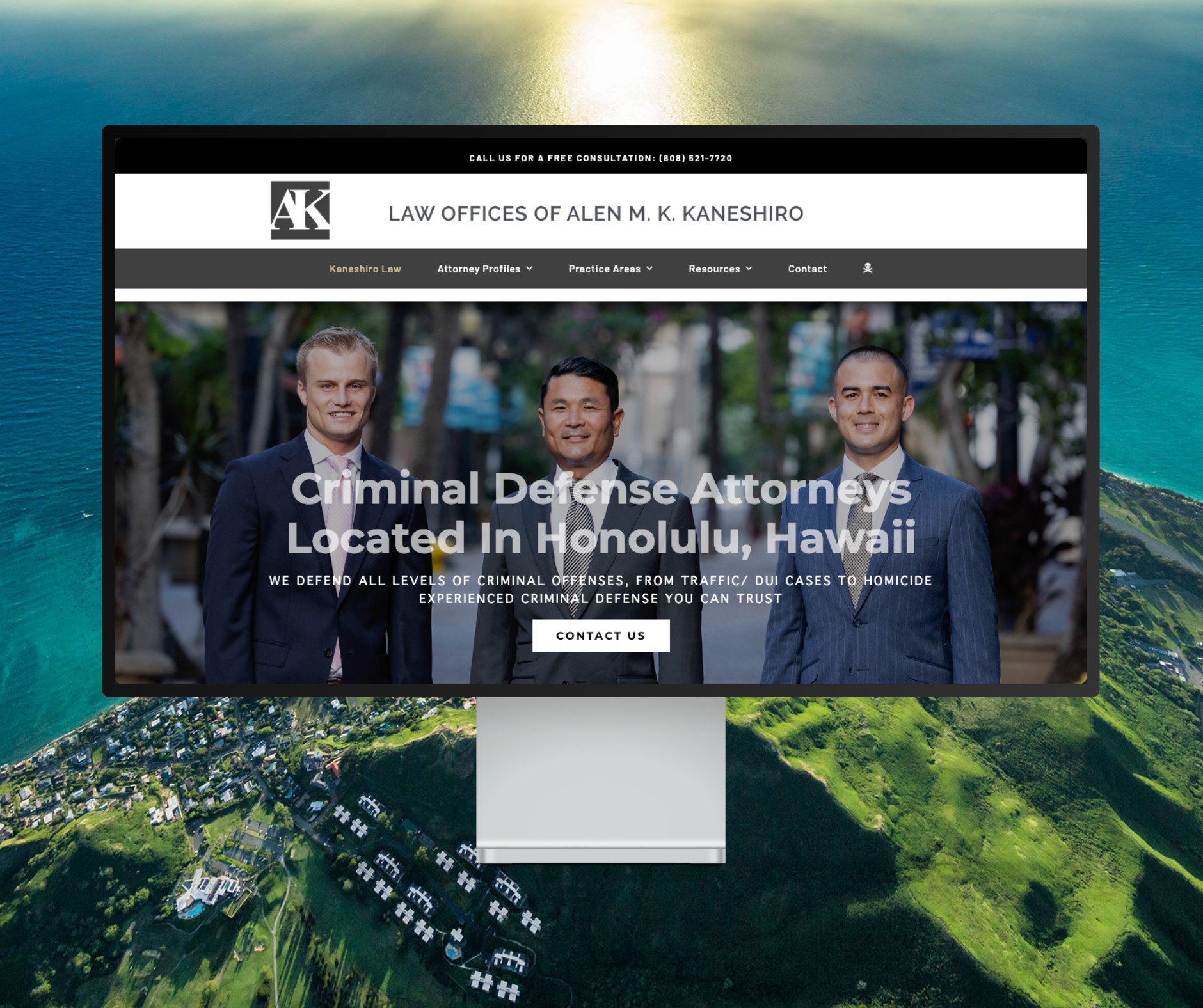
Featured Website: www.kaneshirolaw.com
Kaneshiro Law Firm, one of Hawaii’s most respected legal practices, partnered with The X Digital three years ago for a complete website redesign. Since then, we’ve maintained an ongoing relationship—handling updates, optimizations, and technical support around the clock. Our dedicated team ensures they’re never without assistance, while our enterprise-grade hosting provides 24/7 uptime monitoring and reliability. Kaneshiro Law Firm is one of many long-term clients who trust us to keep their digital presence running flawlessly.