

When it comes to hiring a web agency, one of the first questions business owners ask is: “Should I work with a local company or can I hire someone remote?” It’s a valid concern. After all, you’re investing significant resources into your online presence, and you want to make sure you’re making the right choice. The truth is, the answer isn’t as straightforward as you might think. In today’s digital landscape, geography matters far less than it used to, but there are still important factors to consider. In this article, we’ll explore the real advantages and potential drawbacks of hiring a non-local web agency, helping you make an informed decision that aligns with your business goals and budget.
The Advantages of Working with a Non-Local Web Agency
Let’s start with the benefits, because there are plenty of compelling reasons why hiring a web agency outside your immediate area might be the smartest move for your business.
Access to Specialized Expertise and Talent
When you limit yourself to local agencies only, you’re restricting your options to whatever talent happens to be available in your geographic area. This is particularly challenging if you live in a smaller city or rural area where the pool of experienced web professionals is limited. By opening up your search nationally or even internationally, you gain access to agencies with specialized skills that might not exist locally.
For example, if you need an e-commerce site built on a specific platform like Shopify Plus or require advanced custom integrations, you’ll want an agency with proven expertise in those exact areas. That specialized agency might be located three states away, but their experience could save you thousands of dollars in fixes and revisions down the road.
Competitive Pricing and Better Value
Cost of living varies dramatically across different regions, and this directly impacts what agencies charge for their services. A highly skilled agency in a mid-sized Midwestern city might charge 30-50% less than an equally qualified agency in San Francisco or New York, simply because their overhead costs are lower. This doesn’t mean the quality is inferior—you’re just not paying for expensive downtown office space in a major metropolitan area.
Remote agencies also tend to have lower operational costs overall. Without the need for a physical office to host client meetings, they can pass those savings on to you. Many successful agencies operate entirely remotely, attracting top talent from around the world while maintaining competitive rates.
The Potential Drawbacks You Should Consider
While there are clear advantages to working with a non-local web agency, it’s important to understand the potential challenges so you can address them proactively.
Communication and Time Zone Differences
One of the most common concerns about hiring a remote agency is communication. If your agency is in a different time zone, scheduling meetings can become complicated. A three-hour time difference means your 9 AM is their 6 AM, which might not work for real-time collaboration. However, this challenge is often overstated in today’s world of asynchronous communication tools.
Most professional agencies have systems in place to handle time zone differences effectively. They use project management tools like Asana, Trello, or Monday.com to keep everyone updated, and they schedule regular video calls at mutually convenient times. The key is establishing clear communication protocols from the start. Ask potential agencies about their communication process before signing a contract.
Building Trust Without Face-to-Face Meetings
There’s something reassuring about meeting someone in person, shaking their hand, and looking them in the eye. It’s a traditional way of building trust in business relationships. However, the reality is that face-to-face meetings are becoming less critical in the digital age. Many successful business relationships are built entirely online, and video conferencing technology has made remote collaboration remarkably effective.
What matters more than physical proximity is an agency’s track record, portfolio, and references. A local agency that does mediocre work isn’t better than a remote agency with an impressive portfolio just because they’re nearby. Focus on vetting agencies thoroughly through their past work, client testimonials, and initial discovery conversations.
What Really Matters When Choosing a Web Agency
Whether an agency is local or remote should be just one factor in your decision-making process. Here are the criteria that truly matter when selecting a web partner.
Portfolio and Proven Results
An agency’s previous work tells you everything you need to know about their capabilities. Review their portfolio carefully, looking for projects similar to what you need. Don’t just look at aesthetics—examine functionality, user experience, and the results they achieved for clients. Did they help increase conversions? Improve site speed? Boost search rankings?
Ask for case studies that demonstrate measurable outcomes. Any reputable agency should be able to show you concrete examples of how their work impacted their clients’ businesses. This matters far more than whether they’re located in your city or across the country.
Communication Style and Project Management
How an agency communicates during the sales process is a good indicator of how they’ll communicate during your project. Are they responsive to your emails? Do they ask thoughtful questions about your business goals? Do they explain technical concepts in ways you can understand?
Strong project management systems are essential for remote work. Ask potential agencies about their process:
- How will they keep you updated on project progress?
- What tools do they use for collaboration and file sharing?
- How often will you have check-in meetings?
- Who will be your main point of contact?
- What happens if you need to make changes or have concerns?
These questions will reveal whether an agency has the systems and processes necessary to manage a remote client relationship successfully.
Cultural Fit and Understanding Your Business
An agency doesn’t need to be local to understand your business, but they do need to invest time in learning about your industry, target audience, and specific challenges. During initial conversations, pay attention to whether they ask questions about your customers, competitors, and business goals, or if they jump straight into talking about their services.
The best agencies act as strategic partners, not just service providers. They should be genuinely interested in your success and willing to offer insights based on their experience with similar businesses.
Real-World Examples: When Remote Agencies Excel
Consider the case of a boutique hotel chain based in Vermont that hired a specialized hospitality web agency in Austin, Texas. The local options in Vermont had limited experience with hotel booking systems and property management integrations. The Austin-based agency had built dozens of hotel websites and understood the specific needs of the hospitality industry. Despite being over 1,800 miles away, they delivered a website that increased direct bookings by 40% in the first six months.
Another example involves a manufacturing company in Ohio that needed a complex B2B e-commerce platform. Local agencies quoted $80,000-$100,000 for the project. They found a highly-rated agency in Colorado with extensive experience in B2B e-commerce that completed the same project for $55,000, delivered on time, and provided exceptional ongoing support. The distance was never an issue because the agency had refined remote collaboration processes from years of working with clients nationwide.
These examples illustrate an important point: specialization and experience often trump proximity. When an agency has deep expertise in your specific needs, they can deliver better results regardless of location.
Making the Right Decision for Your Business
So, should you hire a web agency that’s not local? The answer depends on your priorities and the specific agencies you’re considering. If you find a non-local agency with the right expertise, strong communication systems, and a proven track record in your industry, their location shouldn’t be a dealbreaker. In fact, it might give you access to better talent and more competitive pricing.
The key is doing your due diligence. Review portfolios thoroughly, check references, and have detailed conversations about communication and project management processes. Trust your instincts about whether an agency understands your vision and has the capability to execute it, regardless of where they’re based.
Ready to find the perfect web agency for your project? Start by clearly defining your requirements and budget, then reach out to agencies—both local and remote—that specialize in your type of project. The right partner is out there, and they might be closer than you think, or they might be halfway across the country. What matters is finding the team that will deliver the results your business needs.
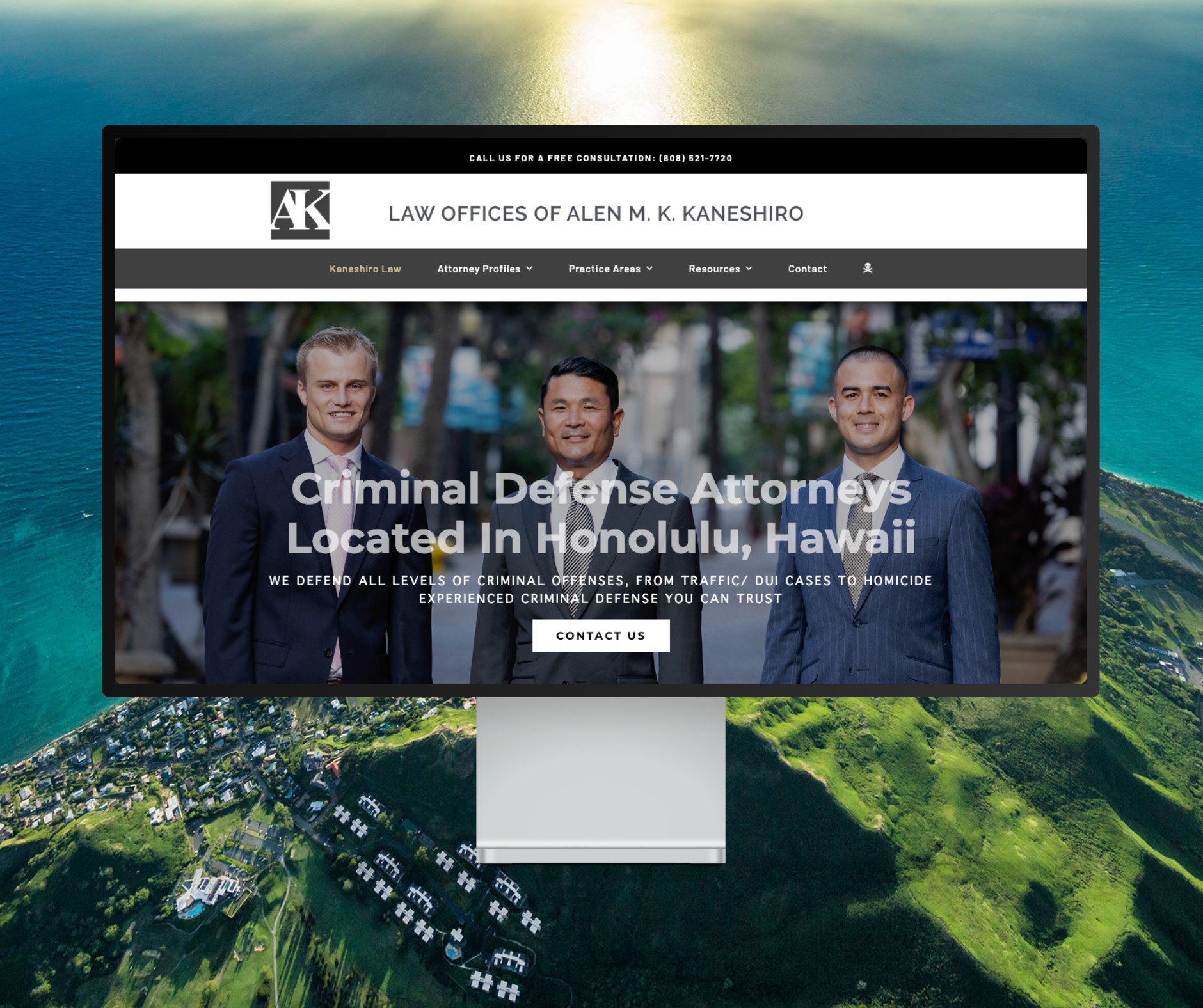
Featured Website: www.kaneshirolaw.com
Kaneshiro Law Firm, one of Hawaii’s most respected legal practices, partnered with The X Digital three years ago for a complete website redesign. Since then, we’ve maintained an ongoing relationship—handling updates, optimizations, and technical support around the clock. Our dedicated team ensures they’re never without assistance, while our enterprise-grade hosting provides 24/7 uptime monitoring and reliability. Kaneshiro Law Firm is one of many long-term clients who trust us to keep their digital presence running flawlessly.