

Should you put prices on your website? If you run a service business, it’s tempting to keep pricing private so you can tailor every quote. But visitors often want at least a rough idea of what working with you will cost before they call. When they can’t find that information, some will assume you’re out of budget—or choose a competitor who makes the next step clearer.
That doesn’t mean every business should publish a fixed price list. The right approach depends on how consistent your services are, how much each project varies, and what customers need to know before they’re ready to talk. In this guide, we’ll explain the benefits and tradeoffs of showing prices, what to publish when exact rates aren’t possible, and how to make pricing work harder for your website. We’ll also look at common website costs, including website design cost in Puerto Rico, so you can make an informed decision about your own site.
Should You Put Prices on Your Website? Start With How You Sell
For many service businesses, the best answer is: show enough pricing information to help a qualified customer take the next step. That could mean publishing exact rates, a starting price, a typical range, or the factors that affect a quote. You don’t have to reveal every detail to be transparent.
Think about how customers buy from you. If your service has a predictable scope and the same price for most clients, hiding the price may create unnecessary friction. A customer booking a standard cleaning, consultation, or routine maintenance visit may reasonably expect to see a rate or a clear starting point.
On the other hand, if every project requires a site visit, custom materials, or a detailed assessment, an exact price may be misleading. A contractor, for example, can’t accurately price a renovation without knowing the size and condition of the space. In that case, explain what shapes the estimate and how customers can get one.
What customers want to know before they contact you
Visitors usually aren’t looking for a perfect quote before they speak with you. They want to know whether your service is likely to fit their budget and whether your process feels straightforward. Even a small amount of pricing context can answer those questions.
Consider sharing:
- A starting price for your most common service
- A typical project range, with a short explanation of what it includes
- Hourly, per-visit, or package rates where those apply
- Factors that can raise or lower the final cost
- Whether consultations, site visits, or estimates are free
The goal isn’t to attract every visitor. It’s to help the right people understand what to expect—and help the wrong-fit inquiries self-select out.
The Benefits of Sharing Pricing Information
Publishing pricing can save time for both you and your customers. When visitors have a general idea of the investment, they can decide whether to contact you with realistic expectations. That often means fewer conversations that end immediately after you mention the cost, and more inquiries from people who understand the value of your service.
Clear pricing can also build trust. Customers may be wary when a business gives no indication of cost, particularly if they’ve had a bad experience with surprise fees or pushy sales tactics. Explaining how your pricing works shows respect for their time and helps them make an informed decision.
For local businesses, pricing content can support your website’s visibility, too. People search for services alongside terms such as “cost,” “rates,” or “estimate.” A useful page that answers those questions may help your site reach people who are actively comparing options. It can also give an AI answer engine or search result a clear, specific explanation to reference—though no content can guarantee rankings or citations.
Transparency doesn’t mean competing on the lowest price
One common concern is that showing prices will encourage customers to choose the cheapest provider. That can happen if your website lists a number without explaining what’s included. Put your price in context: describe the service, the level of support, the materials or expertise involved, and any factors that distinguish your work.
For example, “projects start at $X” is more useful when paired with a short explanation of the standard scope and what may require an additional quote. You can also explain why a low price from another provider may not include the same deliverables. Be specific and factual; avoid criticizing competitors or making unsupported claims.
In our experience working on more than 1,000 digital projects, a clear process is often as important as the number itself. Customers want to know what happens next, how long a quote takes, and whether they’ll be pressured to commit. Your pricing page can answer those questions before the first call.
When Exact Prices Don’t Make Sense
Some services are genuinely difficult to price before you understand the customer’s needs. A landscaping job may depend on the property’s size and access. A consulting engagement may vary by scope and timeline. A website project may need custom functionality, content migration, or integrations that aren’t obvious at first glance.
In these cases, don’t leave visitors with a blank page or a vague “contact us for pricing.” Explain why prices vary and make the next step easy. For example: “Most projects fall within this range. Your estimate depends on the size of the property, materials, and site access. Send us a few details to receive a quote.”
Use ranges, starting prices, or examples
A range can set expectations without pretending every job costs the same. Make sure it reflects real projects and clarify whether it’s a typical range, a minimum, or an estimate. If you can’t publish a reliable range, show sample packages or case examples with the scope and price clearly labeled.
It’s also helpful to describe what affects the final cost. Depending on your business, those factors might include:
- Project size, complexity, or location
- Materials, equipment, or third-party fees
- Urgent scheduling or after-hours work
- Custom features or additional rounds of revisions
- Ongoing service, maintenance, or support
Keep the explanation understandable. Customers shouldn’t need to decode industry jargon to learn why one job costs more than another. If you charge a deposit, minimum fee, or cancellation fee, state that clearly before someone books or signs an agreement.
Website Costs: What Businesses Should Explain
If you’re considering a website redesign, you may be asking, “How much does a website cost?” The honest answer is that it depends on what the site needs to do. A small service-business site with a few pages will usually require less work than a large site with custom functionality, booking, complex integrations, or online sales.
The same is true when comparing website design cost in Puerto Rico or website development pricing in Puerto Rico. Location can influence labor and project requirements, but it doesn’t tell you the full value or scope of a proposal. Compare what’s included rather than choosing based on a single number.
Compare scope, not just the quote
When reviewing a business website cost, ask whether the estimate includes strategy, design, development, mobile optimization, copywriting, technical SEO, hosting, and ongoing maintenance. Some proposals cover only the initial build. Others include services that help keep the site secure, fast, and useful after launch.
For an e-commerce website cost in Puerto Rico, consider additional needs such as product setup, payment processing, shipping rules, taxes, inventory tools, and store integrations. A basic online store and a custom e-commerce operation are very different projects, even if both are described as “a website.”
Ask prospective providers to clarify:
- What pages, features, and revisions are included
- Who provides the text, images, and product information
- Which platform and third-party services are involved
- What recurring costs apply after launch
- Who owns the website, domain, and accounts
There’s no universal price that makes a website good or bad. A useful proposal makes the deliverables and ongoing responsibilities clear, so you can judge whether the investment fits your goals.
How to Present Your Prices Clearly
Once you decide what to share, place pricing where customers can find it. If pricing is a common question, don’t bury it in a long FAQ or make visitors complete a form just to see a basic rate. Link to it from your main navigation or the relevant service page.
Use plain labels such as “Pricing,” “Service rates,” or “Request an estimate.” Explain what each price covers, whether taxes or fees are additional, and what could change the final amount. If you offer multiple options, make the differences easy to compare. Avoid a long list of add-ons that makes customers feel they need to calculate the total themselves.
Pair prices with a clear next step. Depending on the service, that might be booking online, requesting a quote, scheduling a consultation, or calling your business. Tell people what information they’ll need and when they can expect a response. A well-designed website should make the decision easier, not just look polished.
Finally, review your pricing content when your rates or services change. Outdated prices can cause more frustration than having no price at all. If you’re unable to update a page immediately, label estimates with a date or explain that final pricing is confirmed after an assessment.
Conclusion
Putting prices on your website can make it easier for customers to trust you, understand whether your services fit their budget, and take the next step. But transparency doesn’t require a fixed price for every job. If your work varies, publish a useful range, starting price, sample project, or explanation of what influences the quote.
Start with the questions customers already ask. If they regularly want to know your rates, minimums, or estimate process, answer those questions on the relevant page. Then make sure the information is accurate, easy to find, and clear about what’s included. The right pricing approach is the one that helps good-fit customers make informed decisions while setting honest expectations for the work ahead.
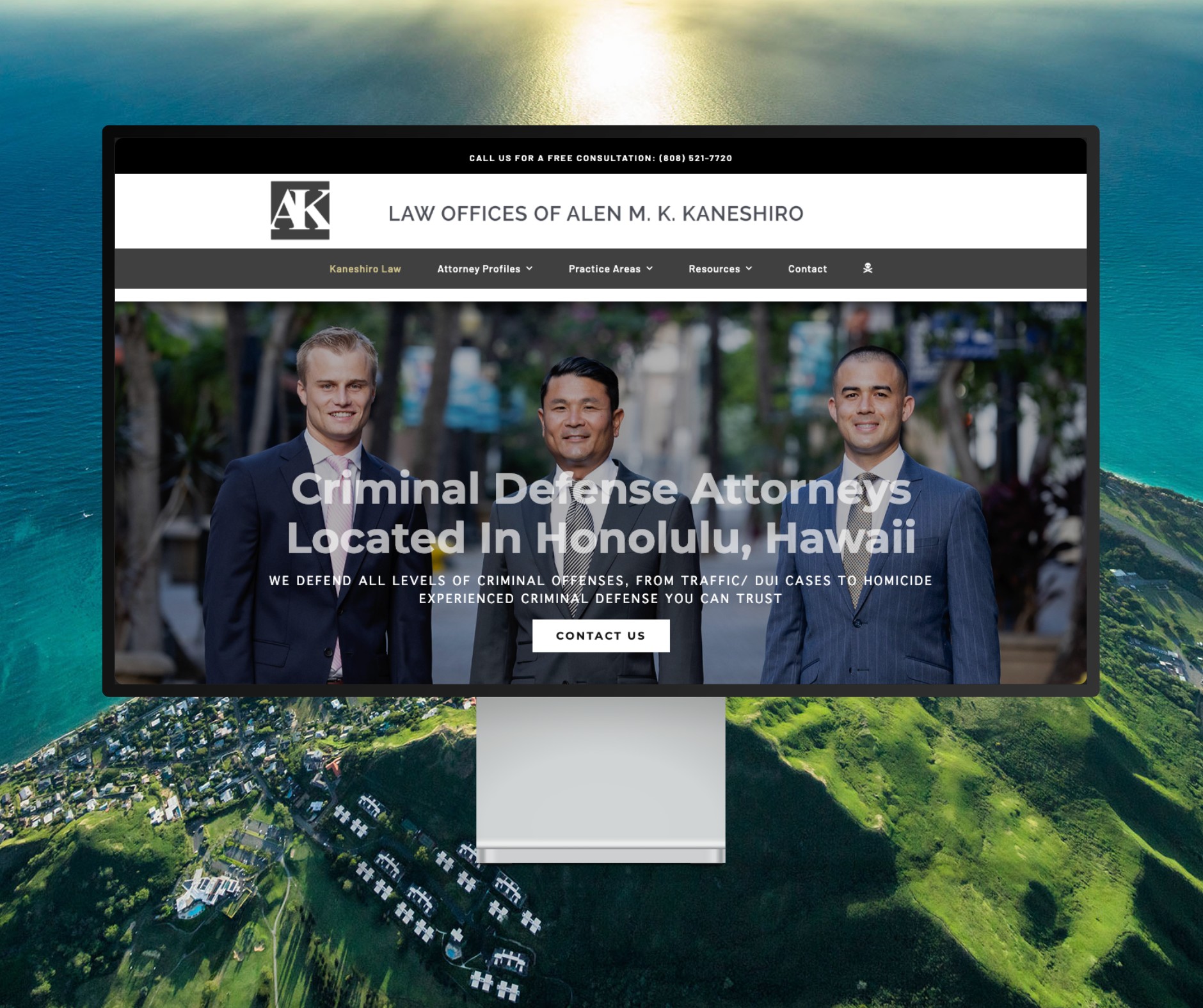
Featured Website: www.kaneshirolaw.com
Kaneshiro Law Firm, one of Hawaii’s most respected legal practices, partnered with The X Digital three years ago for a complete website redesign. Since then, we’ve maintained an ongoing relationship—handling updates, optimizations, and technical support around the clock. Our dedicated team ensures they’re never without assistance, while our enterprise-grade hosting provides 24/7 uptime monitoring and reliability. Kaneshiro Law Firm is one of many long-term clients who trust us to keep their digital presence running flawlessly.