

When you’re planning a new website, one of the first questions is also one of the hardest to get a straight answer to: what is a realistic small business website cost? You may see offers for a few hundred dollars alongside quotes for tens of thousands. Both can be legitimate, but they usually describe very different websites, levels of support, and business goals.
The right budget depends on what your site needs to do. A simple online presence for a solo professional is a different project from a lead-generating site for a contractor, a booking website for a tour company, or an online store. In this guide, we’ll break down common price ranges, what drives website design cost, which ongoing expenses to expect, and how to choose a budget without paying for features you don’t need. We’ve built and maintained websites for businesses of different sizes, and the practical lesson is consistent: focus on what helps your customers take the next step—not on having the most elaborate site.
Small Business Website Cost: Typical Price Ranges
For a standard small business website in the United States, a realistic starting range is about $2,500 to $12,000 for professional design and development. A smaller, straightforward site may cost less, while a custom site with advanced features can cost considerably more. These are broad planning ranges, not fixed quotes; the scope, content, design process, and provider all matter.
Common build options
- Do-it-yourself website: $0–$1,500 to launch. Website builders can keep the initial cash cost low. You’ll still invest time in setup, writing, design, and troubleshooting, and you may pay separately for a plan, domain, apps, or templates.
- Freelancer or small independent team: $2,500–$8,000. This can be a good fit for a focused brochure or lead-generation website with a defined scope and content that’s mostly ready.
- Experienced agency: $7,500–$25,000 or more. The price may include discovery, custom design, development, content support, search optimization, testing, and launch planning. A senior team that handles more of the work may be a better value than a larger team with more layers—but compare deliverables, not labels.
- Complex or custom website: $25,000+. E-commerce catalogs, booking systems, customer portals, integrations, and custom applications can raise the cost substantially.
For many local service businesses, a well-planned site with five to ten core pages lands somewhere in the professional freelancer or agency ranges. A business may need a homepage, service pages, about page, reviews or case studies, contact page, and location-specific content. The cost to build a business website increases when each page needs original research, copywriting, photography, or custom functionality.
Beware of comparing a one-page template setup with a complete, custom-built project as if they were the same product. Ask what’s included, who provides the content, whether the site is built for mobile, and what happens after launch. A low quote can be perfectly suitable for a basic need; it becomes a problem when important work is simply left out.
What Affects Website Design Cost?
Website development costs are driven less by the number of pages alone and more by the work required to plan, create, and support those pages. A five-page site with custom messaging, polished photography, and booking functionality may take more effort than a larger site built from a well-organized template.
Design, content, and functionality
A template-based design generally costs less than a fully custom design. Custom work can be worthwhile when your business needs a distinctive customer experience, has many services to explain, or competes in a crowded market. Either way, the site should make it easy for visitors to understand what you offer and contact you.
Content is another major cost. If you provide clear, accurate copy and good images, you can reduce the amount of outside work. If a writer needs to interview you, research your services, and create every page from scratch, budget for that separately. Professional photography, video, and brand design can add value, especially for hospitality, tourism, product, and home-service businesses where visuals help customers decide.
Features also affect the quote. Common additions include:
- Online payments or e-commerce product listings
- Appointment booking, reservations, or quote-request forms
- Customer accounts, memberships, or gated content
- Connections to a CRM, email platform, inventory system, or other software
- Multiple languages, locations, or complex service-area pages
Each feature needs to be configured, tested, and sometimes maintained. Before adding one, ask whether it solves a real customer problem or saves your team time. A simpler site that performs its core job reliably is often a better investment than a complicated site that’s difficult to use.
SEO, accessibility, and launch readiness
Search-friendly foundations should be part of a professional build, not an afterthought. That can include a logical page structure, descriptive page titles, mobile-friendly layouts, fast-loading images, and clear navigation. It doesn’t mean a new website will automatically rank at the top of Google. SEO is an ongoing effort, and competitive searches may require continued content and optimization.
Accessibility and quality assurance matter, too. Testing forms, checking mobile layouts, reviewing links, and making sure important information is readable can prevent avoidable problems after launch. Ask your provider which checks are included in their process.
Ongoing Costs After Your Website Launches
The launch price is only part of the small business website pricing picture. Every site has recurring expenses, although you can keep them modest if your needs are simple. Ask for an estimate of both the initial build and the likely annual costs before you sign an agreement.
- Domain name: about $15–$30 per year. Your exact cost depends on the domain extension and registrar.
- Hosting: roughly $10–$100+ per month. Basic hosting can be inexpensive; managed hosting may cost more but can include monitoring, backups, security, and support.
- Maintenance and support: $50–$300+ per month. The price depends on what’s covered, such as software updates, backups, security checks, and help with changes.
- Premium tools and plugins: around $100–$500+ per year. Some sites need paid forms, booking, e-commerce, or other software. Check renewal prices as well as the first-year cost.
- Content and SEO: varies widely. Ongoing writing or search optimization is a separate service from hosting and routine maintenance.
Some hosting plans include a free SSL certificate, which helps encrypt data between a visitor’s browser and your website. Confirm what your plan includes rather than assuming every service is covered. Also check whether backups are stored separately and whether malware cleanup or recovery is part of your support agreement.
Maintenance isn’t just about keeping software current. A neglected website can become vulnerable, slow down, or develop broken forms and outdated information. If you’re comfortable handling updates and troubleshooting, you may manage a basic site yourself. Otherwise, managed care can reduce the chance that a technical problem turns into lost leads or a costly emergency.
Before agreeing to monthly services, get a clear list of deliverables, response times, and ownership terms. You should know who controls the domain, hosting account, website files, and any paid software. A recurring fee should buy a defined service—not simply keep you tied to a provider.
How to Set a Practical Website Budget
Start with the business outcome you need. Are you trying to generate phone calls, collect quote requests, sell products, or let customers book online? Once that’s clear, prioritize the pages and features that support that outcome. This keeps small business website pricing connected to real needs rather than a long wish list.
- List your must-haves. Identify the pages, forms, integrations, and essential content needed for launch.
- Separate must-haves from nice-to-haves. A custom animation or advanced filtering tool can wait if it doesn’t help customers act.
- Decide who will supply content. Be realistic about whether you have the time and skills to write pages, source images, and review drafts.
- Plan for year one. Include hosting, domain renewal, software, maintenance, and any planned SEO or advertising—not just the build.
- Compare proposals by scope. Look for page count, design approach, content responsibilities, revisions, testing, training, ownership, and post-launch support.
It’s also reasonable to phase a project. Launch with a strong core site, then add useful pages or features after you’ve seen what customers ask for and where leads come from. That approach can protect cash flow without forcing you to settle for a rushed or confusing first version.
If you’re comparing providers, ask them to explain their recommendations in plain language. A good partner should be able to tell you what is essential, what can wait, and why. At The X Digital, we’ve seen that an honest conversation about scope early on saves businesses from paying for unnecessary complexity—or discovering too late that a low quote missed critical work.
Conclusion: Pay for What Your Website Needs to Do
A small business website can cost under $1,500 if you build a simple site yourself, a few thousand dollars for a focused professional project, or $25,000 and up for a complex platform. For many businesses looking for a polished, lead-generating site, a budget of roughly $2,500–$12,000 is a practical place to begin evaluating options. Your actual investment depends on the content, design, functionality, and support you need.
Don’t choose a website by price alone. Make sure it’s mobile-friendly, easy to update, secure, and designed around the actions you want customers to take. Get clear on ownership and ongoing costs before work begins. If you’re unsure where to start, outline your goals and must-have features, then ask a few providers for itemized proposals. A useful website doesn’t have to be the most expensive one—it has to serve your customers and support your business consistently.
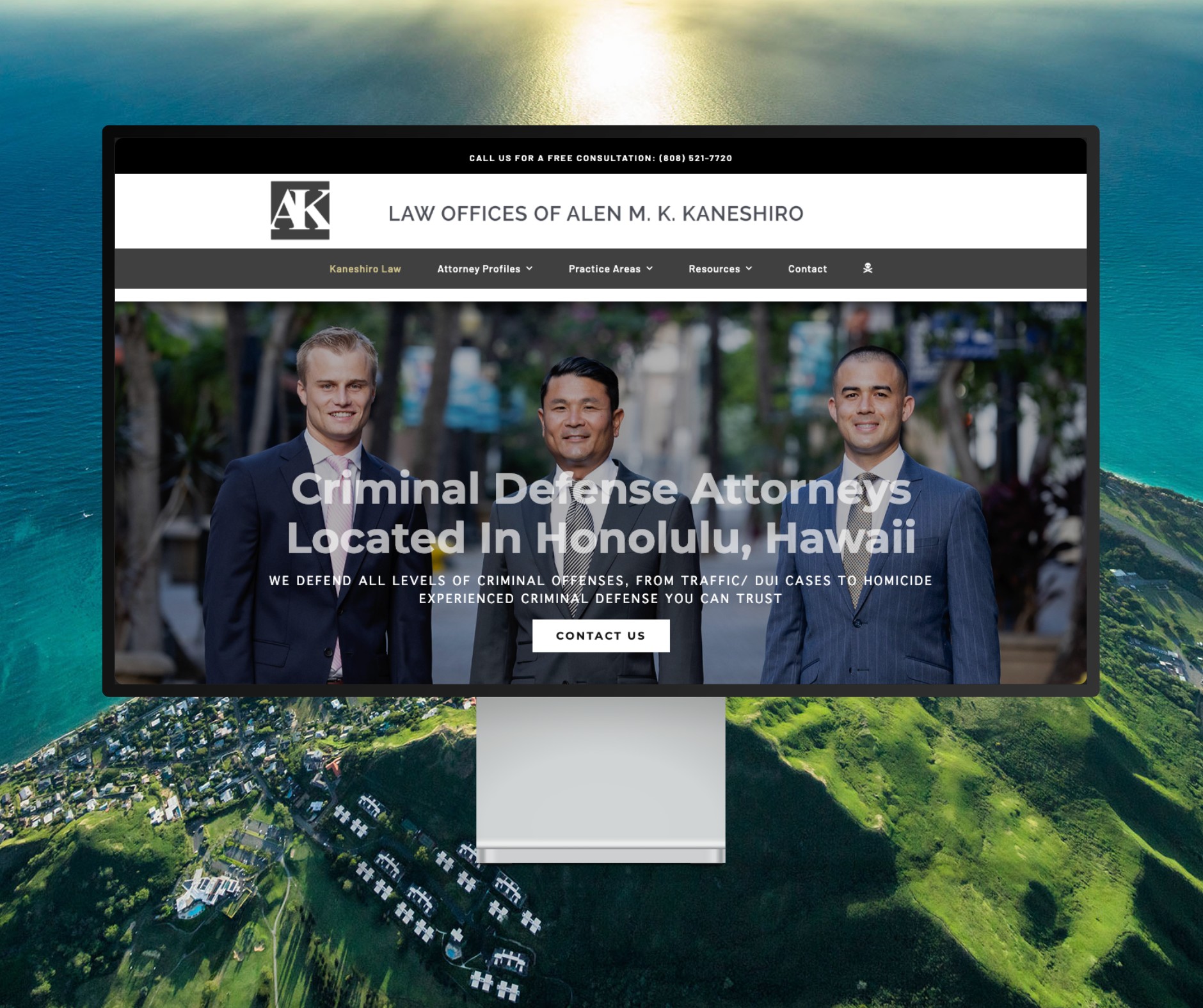
Featured Website: www.kaneshirolaw.com
Kaneshiro Law Firm, one of Hawaii’s most respected legal practices, partnered with The X Digital three years ago for a complete website redesign. Since then, we’ve maintained an ongoing relationship—handling updates, optimizations, and technical support around the clock. Our dedicated team ensures they’re never without assistance, while our enterprise-grade hosting provides 24/7 uptime monitoring and reliability. Kaneshiro Law Firm is one of many long-term clients who trust us to keep their digital presence running flawlessly.