

News

Why Google Ads Performance Max Campaigns Fail for Local Businesses in 2026
Google Ads Performance Max campaigns promised to revolutionize digital advertising when they launched, using machine learning to automatically place your ads across Search, YouTube, Display, Discover, Gmail, and Maps. For many local service businesses in 2026, however, Performance Max has become an expensive lesson in why automation without control rarely delivers what you actually need: qualified leads at a profitable cost. If you're a plumber, electrician, contractor, or home service provider spending $2,000 to $5,000 per month on Google Ads and your Performance Max campaigns are underperforming, you're not alone — and you're probably not doing anything wrong. The

Rank on Google Without a Google My Business Pin: Local SEO Beyond the Map
You've heard it a hundred times: if you want to rank locally, you need a Google My Business profile. Get that pin on the map, collect some reviews, and watch the leads roll in. But what happens when you don't have a physical location Google will verify? What if you're a service-area business working from home, a consultant who meets clients on their turf, or a mobile contractor who never sees customers at your registered address? Here's the truth: you can absolutely rank on Google without a Google My Business pin. It takes a different approach, but it's not

Why Web Design Matters More When You Have Local Competition
When you're competing for the same customers in the same town, your website might be the only thing standing between you and the business down the street. We've seen it hundreds of times: two local companies offer nearly identical services at similar prices, but one consistently gets more calls, more form fills, and more foot traffic. The difference? Their website actually works. If you're in a market with real local competition—whether you're a plumber in Phoenix, a dentist in Denver, or a contractor in Charlotte—web design matters more than you think. It's not about looking pretty (though that helps).
Google Ads Policy Changes in 2026: What’s Banned Now (And What Isn’t)
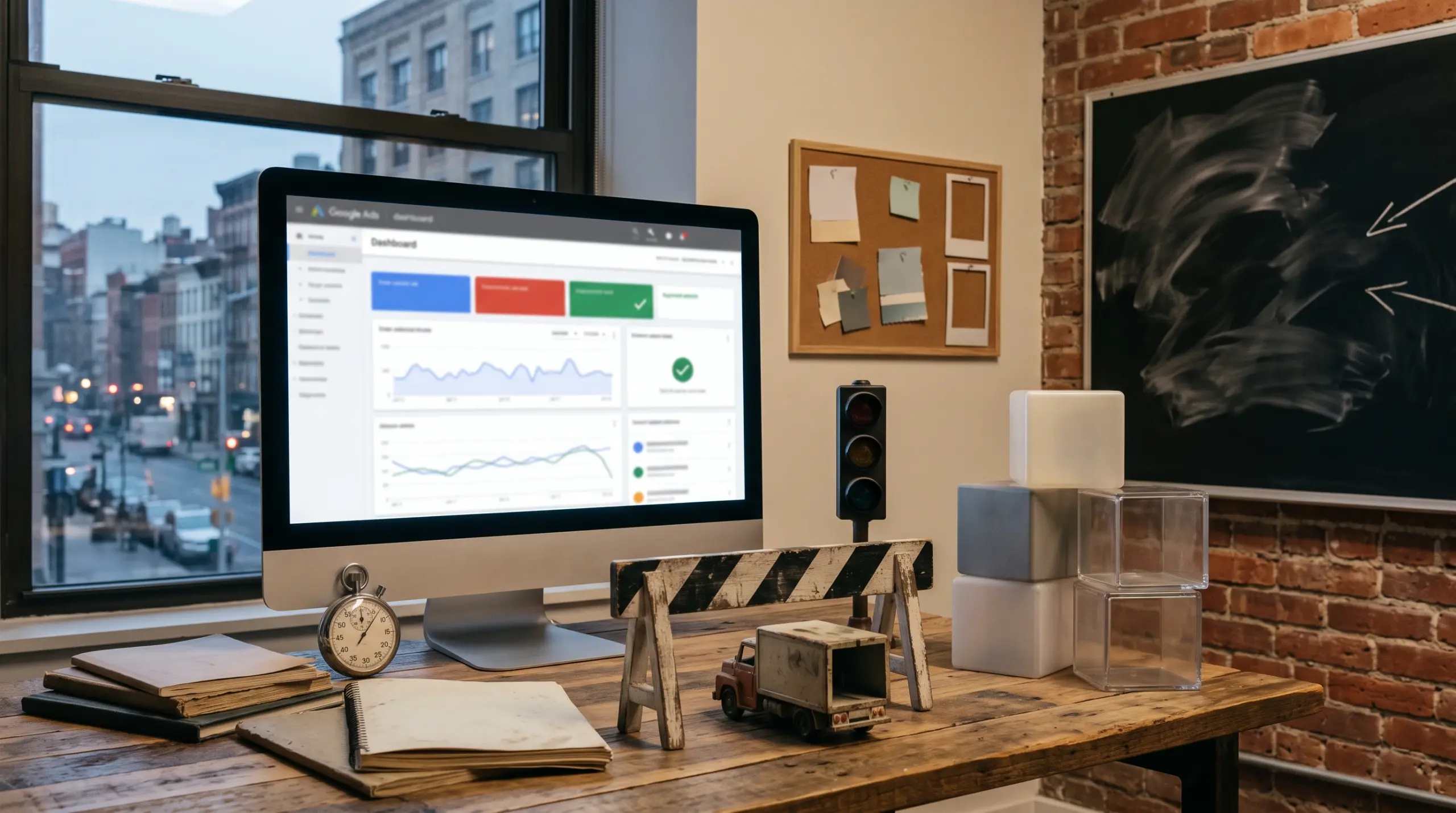
Google Ads policy changes in 2026 are creating confusion for business owners. Some advertisers are seeing ads disapproved, impressions limited, or accounts reviewed more aggressively, while others are hearing that Google has “banned” entire industries. The reality is more specific: most products and services are not suddenly prohibited, but Google is tightening how it handles misleading claims, advertiser identity, sensitive categories, AI-generated advertising, and higher-risk searches. That distinction matters. A disapproved ad is not the same as a suspended account, and a restricted ad is not necessarily banned. In this guide, we’ll explain what’s actually changing under Google Ads

Why Your Google Ads Account Gets Suspended (And How to Prevent It)
Getting locked out of your Google Ads account is more than just frustrating — it can shut down your lead pipeline overnight. One day your campaigns are running smoothly, and the next, you're staring at a suspension notice with vague policy language and no clear path forward. We've seen this happen to dozens of clients over the years, from local contractors to e-commerce brands, and the stress is always the same: revenue stops, but the bills don't. The good news? Most Google Ads account suspensions are preventable, and many are reversible if you know what you're doing. In this

AI Search Tools Are Changing Lead Quality: Why Your Best Customers Might Never Find You
Your website ranks on page one. Your Google Ads are running. You're publishing content, collecting reviews, and doing everything the marketing playbooks told you to do. But something fundamental just shifted: your best prospects aren't finding you anymore—not because you're doing anything wrong, but because they stopped looking where you're visible. Between 2024 and 2026, the way high-intent buyers discover businesses changed faster than most marketing strategies could adapt. AI-driven search now outsells organic search for some agencies, and the data shows why: 94% of B2B buyers now use generative AI in their purchase process, up from 89% just

How to Choose a Web Design Agency: Why Portfolio Matters More Than Price
You've probably looked at a dozen web design agency websites by now. Some show stunning portfolios full of sleek layouts and bold colors. Others lead with low prices or fast turnaround times. A few promise "affordable websites starting at $999." And you're stuck wondering: which signal actually matters? Here's what we've learned after building more than 1,000 websites over 20 years: the portfolio tells you whether an agency can solve your problem, and price only tells you what you'll pay. Those two things aren't the same. A beautiful $3,000 website that doesn't convert visitors into leads is a worse

Why AI-Built Websites All Look Identical (And Why That Costs You Money)
AI-built websites all look identical—and that’s becoming a real business problem. You’ve probably seen the pattern: oversized headline, rounded cards, soft gradients, generic stock photography, three feature columns, and a button that says “Get Started.” The site may be clean and functional, but it could belong to almost any company in your industry. That sameness isn’t just an aesthetic complaint. Your website is often the first place a potential customer decides whether your business looks credible, established, and worth contacting. If your site feels interchangeable with five competitors, you make it harder to remember, easier to dismiss, and more

Google Ads Quality Score Just Changed: What Your Campaigns Need Now
Google Ads Quality Score has been the diagnostic metric advertisers obsessed over for years—a simple 1-to-10 number that promised to explain why your cost per click was climbing or why your ads weren't showing. But in 2026, that familiar score is no longer the signal it used to be. According to multiple agency analyses and Google's own platform disclosures, Quality Score's role in actual auction outcomes has been progressively diluted since late 2024, replaced by a broader set of real-time relevance signals that most advertisers never see. If your campaigns are still optimized around chasing that 7 or 8,
Your App Icon Is Your First Sales Pitch: Why It Matters More Than You Think
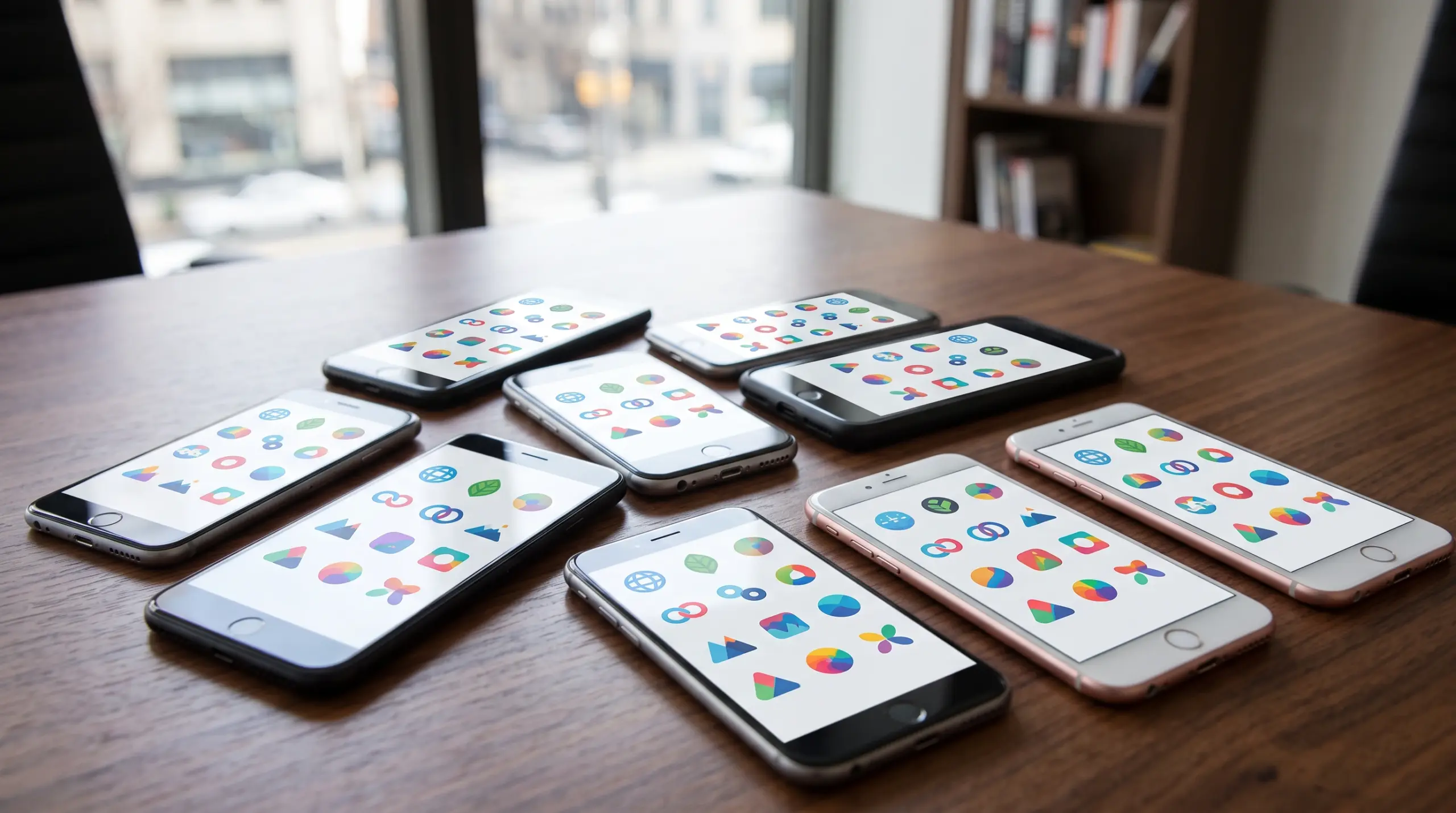
Your app icon is often the first thing a potential customer sees—and sometimes the only thing they notice before deciding whether to keep scrolling. In that tiny square, people form an instant opinion about your product’s quality, usefulness, trustworthiness, and relevance. That’s why an app icon is more than decoration. It’s your first sales pitch. Whether you’re launching a new mobile app, refreshing an outdated brand, or trying to improve App Store downloads, your icon deserves the same strategic attention as your name, screenshots, and description. In this guide, we’ll explain why app icons matter, what makes effective app

Why California Small Businesses Need a Website to Stay Competitive
California is one of the most competitive places in the country to run a business. From San Diego contractors and Orange County professional services firms to Bay Area startups, Central Valley retailers, and California tourism companies, customers have more choices than ever. Before they call, visit, or buy, many will look you up online—and a missing, outdated, or confusing website can quietly send them to a competitor. That is why Why California Small Businesses Need a Website to Stay Competitive is more than an SEO topic. It is a practical business question. Your website can help customers find you,

AI Chatbots Are Answering Your Customers’ Questions Before They Call You
AI chatbots are answering your customers’ questions before they call you. They’re explaining services, comparing options, checking policies, recommending products, and increasingly helping people decide which businesses deserve their attention. For a small business, that creates both an opportunity and a risk: you can serve more people without adding staff, but customers may also form an opinion about your company before they ever visit your website or pick up the phone. This shift goes beyond adding a chat bubble to your homepage. It includes AI chatbots customer service tools, ChatGPT replacing website traffic for certain searches, Google AI Overviews,

Why Your Website Isn’t Appearing in AI Overviews (And How to Fix It)
If you’re asking, “Why your website isn’t appearing in AI Overviews,” the answer probably isn’t that you need a secret schema tag, an expensive AI-search tool, or hundreds of pages written by a robot. Google’s current guidance is much less dramatic: the same technical SEO and people-first content fundamentals that help you appear in traditional Search also determine whether your pages can become supporting links in AI Overviews and AI Mode. That doesn’t mean AI search is automatic. Your pages still need to be crawlable, indexable, useful, trustworthy, and easy for search systems to understand. In this guide, we’ll

Why AI Search Tools Are Ignoring Your Website (And What to Do About It)
If you’re asking, “Why AI search tools are ignoring your website?” the answer usually isn’t that your business is too small, your site needs an llms.txt file, or you need to publish 100 AI-written articles this month. More often, AI search tools can’t reliably crawl, understand, trust, or connect your content to the questions your customers are asking. That matters because people increasingly use ChatGPT, Google AI Overviews, Google AI Mode, Perplexity, and other answer engines to compare services, find local businesses, and decide what to buy. Your website may still rank in traditional search while remaining almost invisible

How AI Chatbots Are Qualifying (or Rejecting) Your Leads Before You See Them
Before you ever see a new inquiry, an AI chatbot may already have decided whether that person is worth your time. It can ask about budget, location, timeline, project type, urgency, and decision-making authority—then route the conversation, assign a score, schedule an appointment, or quietly place the contact into a follow-up sequence. That is the promise of AI chatbot lead qualification: fewer dead-end conversations for your team and faster responses for serious prospects. But there’s a less comfortable side. If the chatbot is poorly trained, overly aggressive, or built around the wrong rules, it can reject good leads before


